Showing posts with label these. Show all posts

These 9 symptoms, which indicate an enlarged prostate

 These 9 symptoms, which indicate an enlarged prostate


If the problem of prostate enlargement that occurs with increasing age is not ignored and recognized and treated in time, most patients can live a normal and healthy life.

Do you have to get up repeatedly at night to urinate? Is your urine stream weaker than before? Do you feel like there is still something left after urinating? Many men are experiencing such problems. They ignore such problems that appear with increasing age as normal. But these symptoms may be signs of an enlarged prostate gland.


According to studies, about half of men around the world who are over 50 years old have prostate enlargement, and by the age of 80, about 80 percent of men have some level of prostate enlargement. However, if recognized and treated in time, most patients can live a normal and healthy life.


What is the prostate?


The prostate is a small gland found only in the male body, which is usually the size of a walnut. It is located below the bladder and in front of the rectum. It plays an important role in the reproductive process by producing seminal fluid.


As we age, this gland gradually begins to enlarge. In medical terms, it is called benign prostatic hyperplasia (BPH). When the prostate enlarges, the passage for urine becomes narrow, causing various problems.


9 major symptoms of prostate enlargement


1. Weak urine stream


Urine does not come in a strong stream as before, but instead comes in a small stream or drops. In some cases, it may take some time for urination to begin.


2. Feeling that the bladder is not empty even after urinating


Feeling that there is still some urine left after urinating is an important sign of prostate enlargement.


3. Frequent urination


Especially when you have to urinate more often than usual throughout the day.


4. Getting up frequently at night to urinate


Having to get up one or more times during the night to urinate is one of the most common symptoms of prostate enlargement. This can disrupt sleep, causing fatigue and affect quality of life.


5. Straining to urinate


You may have to strain your stomach to start or finish urinating. This is a sign that the urinary tract is narrow.


6. Delayed urination


Hesitancy is when you feel the urge to urinate but don't urinate immediately, or you have to wait or strain. This is one of the early signs of prostate enlargement.


7. Sudden and intense urge to urinate and urine leakage


Urgent urge to urinate and sometimes leaking urine before reaching the toilet can also be a sign of prostate enlargement.


8. Blood in the urine


Sometimes blood may be present in the urine. In such cases, you should seek medical advice without delay.


9. Burning or Painful Urination


Some people may experience discomfort, burning, or pain when urinating. This is especially common if there is an infection.


Who is at higher risk?


–Men over 50


–Family history of prostate problems


–Diabetes or high blood pressure


–Obesity


–Inactivity


–Smoking and drinking alcohol


Why is an enlarged prostate a problem?


The prostate surrounds the urethra. When it is large, the passage for urine to pass out becomes narrow. As a result, there is a risk of urine retention, urine retention in the bladder, infection, stone formation, and even kidney damage in the long term.


How is it diagnosed?


To diagnose prostate problems, doctors can perform various tests along with symptoms


-Urine test


-PSA test in the blood


-Ultrasound


-Urine flow test (uroflowmetry)


MRI or biopsy if necessary


Treatment


Not all patients need surgery. In many patients, medication and lifestyle changes give good results.


Lifestyle considerations


-Do not drink too much fluid before going to bed


-Reduce tea, coffee, and alcohol intake


-Do not hold urine for too long


-Do regular walking and exercise


-Do not allow constipation


-Keep weight under control


There are mainly two types of drugs used to treat lower urinary tract symptoms caused by the prostate. In some patients, both types of drugs are used simultaneously.


Alpha-blocker drugs


Such as tamsulosin, alfuzosin, and silodosin. These medications help to relax the urinary tract and make it easier to urinate.


Five-alpha reductase inhibitor medications


Such as finasteride and dutasteride. These medications help to reduce the size of the prostate over time.


When is surgery necessary?


– Complete blockage of urination


– Frequent infections


– Repeated blood in the urine


– Formation of bladder stones


– Kidney damage


– No improvement with medication


How is prostate surgery performed?


– TURP (Transurethral Resection of the Prostate)


This is the most commonly performed surgery in the world. The excess prostate is removed by inserting an instrument through the urethra.


– Laser surgery or open or robotic surgery


Are prostate enlargement and prostate cancer the same?


Benign prostatic hyperplasia (BPH), a common problem in many men, and prostate cancer are not the same disease. BPH is a non-cancerous growth of the prostate gland that occurs with age. In contrast, prostate cancer is a malignant disease caused by uncontrolled growth of prostate cells, which may not cause any symptoms in the early stages.


Some signs of both diseases

Since they can be similar, it is not possible to differentiate them based on symptoms alone. Therefore, it is very important to make an accurate diagnosis through PSA testing and medical examination. The good news is that both conditions can be effectively managed if identified and treated early.


Many men hide their prostate symptoms due to shame, fear, or neglect. Most prostate problems can be controlled with timely screening, proper treatment, and a healthy lifestyle. Therefore, the body's signals should not be ignored.

These are the changes that can be seen in the body after giving up sugar for a month

 These are the changes that can be seen in the body after giving up sugar for a month


By completely or largely stopping the consumption of sugar for a month, positive changes such as weight control and stable energy levels can be seen in the body.

In today's busy lifestyle, the habit of eating sweets has become very common. Tea, cold drinks, sweets and packaged foods contain a lot of sugar. But if a person stops consuming sugar completely or largely for a month, various positive changes start to be seen in the body. The first few days may feel a little uncomfortable, but in the long run, it can have many health benefits.


The first few days can be challenging


For the first 3-7 days after giving up sugar, you may experience increased cravings for sweets, headaches, fatigue, irritability or difficulty concentrating. This is normal because the body is used to regular consumption of sugar.


Can help in weight control


The process of fat accumulation in the body can be reduced by reducing the extra calories obtained from sugar. It can help reduce fat around the belly, especially around the waist, and can help you gradually control your weight.


May help keep your blood sugar levels balanced


Reducing sugar can help reduce the problem of sudden increases and decreases in blood glucose levels. This can help improve the effectiveness of insulin and help reduce the risk of type 2 diabetes in the future.


May keep your energy levels stable throughout the day


Although too much sugar may give you a short-term boost of energy, you may feel tired later. Reducing sugar can help keep your energy levels more stable, which can help you stay active and focused throughout the day.


May improve your skin


Excess sugar can increase inflammation in the body, leading to acne, pimples, and skin problems. Reducing sugar can make your skin look clear, healthy, and naturally radiant.


May have a positive effect on heart health


Excessive sugar intake can increase triglycerides, blood pressure, and the risk of heart disease. Reducing sugar can help reduce these risks.


Liver health may improve


High intake of fructose, especially found in sugar, increases the risk of fat accumulation in the liver. Reducing sugar can reduce the extra burden on the liver.


May improve dental and oral health


Sugar can increase tooth decay and gum problems. Reducing sugar can also reduce the risk of tooth loss.


May improve sleep quality


Reducing sugar can help balance the body's energy levels, which can help you sleep better at night and feel refreshed in the morning.


May improve the digestive system


Reducing sugar and increasing fruits, vegetables, and fiber-rich foods can improve the digestive system and have a positive effect on intestinal health.


Overall benefits that can be seen after a month


Reducing sugar intake for a month can help you experience weight control, improved skin, stable energy, balanced blood sugar levels, improved heart and liver health, better sleep, and positive changes in overall health. However, it is advisable to consult a doctor or nutritionist before making any major dietary changes.


What to consider when giving up sugar?


Giving up sugar does not mean giving up all carbohydrates. Natural sugars found in fruits, milk, and whole grains are generally considered part of a healthy diet.


To do this, you should make it a habit to read the labels of packaged foods. Reduce your intake of cold drinks, sweets, chocolate, and packaged juices. Choose fresh fruits instead of sweets. Drink plenty of water. Eat enough protein and fiber-rich foods. Also, prioritize regular exercise and adequate sleep.

These health problems appear in winter, how to avoid them?

 These health problems appear in winter, how to avoid them?


With the onset of winter, the morning has become colder. The cold is increasing day by day. In such an environment, body temperature decreases.


Sometimes it may take time for the body to adapt to the increased cold, which may lead to various health problems.


During the winter season, people prefer to stay indoors to rest and keep their body warm. As a result, physical activity is reduced and necessary exercise is not done. Various health problems can also occur because the body is inactive.


In case of disease, winter season is considered as harsh season. Cold weather also bothers people with chronic diseases, old people and children. If they do not take special care in this season, it cannot be said that there is no risk of death due to the cold.


Some may even die without knowing it. Rheumatism, heart disease, respiratory and skin problems are the most common during this time.


What health problems do you see?


Seasonal colds


One of the main problems seen in winter is cold. With the onset of winter, due to the change in weather, the problem of colds starts to appear. Due to the seasonal virus, the number of colds in the winter season is very high.


Because influenza germs and viruses are more active in winter. Because of this, people with reduced immunity, children, the elderly and those who work in cold weather are likely to catch a cold.


Asthma


Also read this

How to take care of asthma patients at home?

In the winter season, many people may have felt that asthma has increased. In this case, the cold and dry air starts narrowing the airways going through the mouth to the lungs and makes breathing even worse.


Pneumonia


Children and the elderly are especially at high risk of pneumonia in this season. Pneumonia causes high fever, fatigue, and difficulty in breathing.


After lung infection, chest pain and breathing problems are seen.


Dry skin


One of the most common problems faced during cold weather is itchy and dry skin. Due to low humidity in the cold, the skin starts to itch and become dry.


joint pain


Many people suffer from joint pain during cold weather. To get relief from this, you should first keep your body and feet warm.


Sinusitis


Pinas or sinusitis is a problem in winter. Those who are suffering from cold may have headache and cold.


This problem occurs when the windows and doors of the house are closed and kept locked. There is no proper ventilation in this.


Tonsillitis


Tonsil is also a problem in winter. Tonsil problems can increase due to cold.


heart attack

The risk of heart attack also increases in winter. Especially in people with heart and high blood pressure, the drop in temperature causes narrowing of the blood vessels and makes it difficult for the heart to pump blood.


Due to this risk, experts do not recommend morning walk in winter season to obese and elderly people.


How to avoid?


- To avoid the cold, except for unnecessary work, do not leave the house and if you have to go out, you should wear warm clothes.


- As the body cannot adjust the temperature as soon as the weather changes, you should not stay in extremely cold or hot places in winter.


- When you go outside while sitting in AC, you should not sit in high temperature as the body cannot adjust to the cold weather outside.


- Apply moisturizer or coconut oil every night before going to bed to prevent skin rashes.


- Some people drink less water because it is cold in winter and if they drink a lot of water, they will urinate more. which is wrong. Regardless of the season, you should drink plenty of water.


- Chest problems may appear in winter. Therefore, especially, those who drive motorcycles and scooters should use chest guards and windproof jackets to protect their chests.


-Children and senior citizens and those with reduced immunity should be given special attention in the morning and evening.


- Various diseases related to winter attack due to weak immunity.


- Immunity can be increased by eating balanced and healthy food. A balanced diet makes a person healthy and fit.


- Winter yam is more allergic. Therefore, you should wear a mask not only when walking in dust and smoke but also at other times.


- Sitting in the morning sun is very good. In addition to getting vitamin D in the morning sun, it also prevents colds. Improves bone health.


- The risk of influenza and pneumonia can be avoided by taking influenza and vaccination in winter.

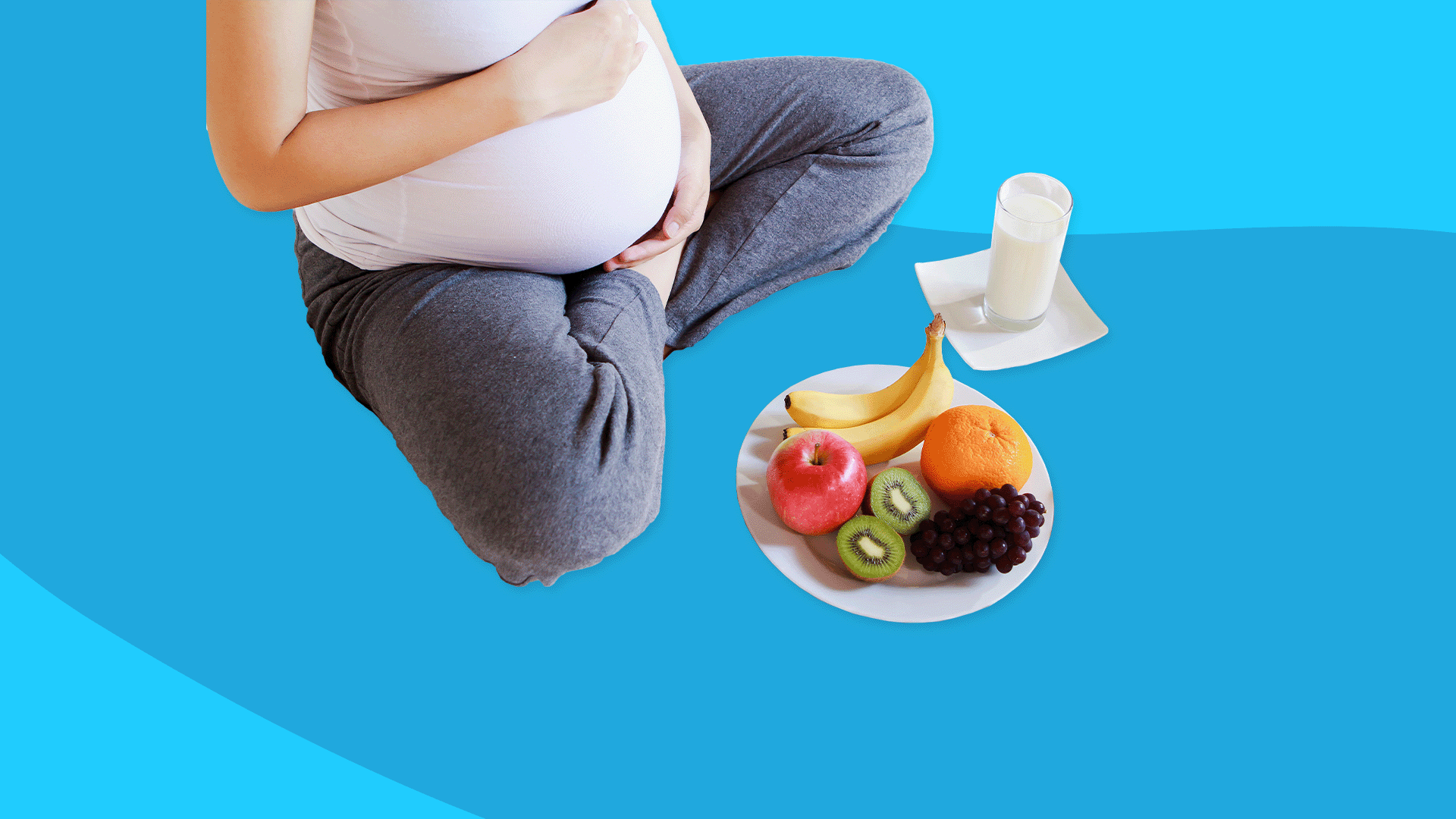
From fruit to coffee, these foods are best not to eat during pregnancy

From fruit to coffee, these foods are best not to eat during pregnancy


During pregnancy, some people have a craving for sweet foods. Some people like to eat sweet and sour, some like sweet. At this time, the brain produces neuropeptide hormones, which work to stimulate hunger.


According to the geography, their choice will be different. Generally, women in western countries like sweet foods like ice cream and cakes. Women in eastern countries like sour, bitter and bitter foods like spicy, turkey.

However, eating fancy foods during pregnancy is not so appropriate.


Because the mother's diet has a direct effect on the child growing in the womb. Therefore, you should be careful about what you eat or what you don't eat at this time.


1. fruit


Fruits should not be eaten during pregnancy. Nuts contain 'benzyl isothiocyanate', due to which excessive consumption can be toxic to the body.


In this case, if a pregnant woman eats the fruit, there may be a risk of miscarriage. Even raw fruit should not be eaten during pregnancy. Enzyme found in raw fruit helps in uterine contraction. Because of this, there is a higher risk of miscarriage.


2. Smoking and drinking


Smoking and drinking alcohol during pregnancy can be a risk for the baby. The chemicals in cigarettes shrink the blood vessels in the uterus, which can cause the baby to be underweight in the womb, cause labor pains before the due date, and hinder the development of the penis.


Drinking alcohol can be even more dangerous. It can lead to mutilation of the body in the womb.


3. Caffeinated foods


Most people prefer to drink coffee, but pregnant women are advised to consume less caffeine. According to health experts, pregnant women should consume less than 200 milligrams of caffeine per day.


Caffeine dissolves quickly in the body and reaches the umbilical cord. A fetus does not have metabolic enzymes due to which it can be harmed. Consuming too much caffeine during pregnancy can hinder the baby's weight and growth.


4. Junk food


During pregnancy, you should eat only foods rich in nutrients for the development of the baby.


You should stay away from junk food during this time. Because junk foods lack nutrients and are high in sugar and calories. Eating junk food leads to nutritional deficiency. Also, weight increases quickly and this can cause many problems during delivery. During pregnancy, your diet should include plenty of fruits, green vegetables, protein, folate and iron.


5. Raw eggs and undercooked meat


There are some meat-based foods like kachela, which are not fully cooked. Such foods should not be eaten during pregnancy.


Most of the bacteria are found on the surface of the meat while some are found inside the meat. Therefore, eating raw or undercooked meats is also harmful for pregnant women. Its consumption can cause neurological diseases in the unborn child by infecting many types of bacteria such as Toxoplasma, Listeria and Salmonella.


Similarly, some people also eat raw eggs saying that they are more nutritious. Raw eggs have more nutrients than cooked eggs. However, it is better not to eat raw eggs during pregnancy. Because raw eggs contain salmonella bacteria. Which can cause fever, vomiting, abdominal pain and diarrhea. In some cases, this infection can cause uterine cramps, which can lead to premature birth.

These are the 5 signs when someone is falling in love

These are the 5 signs when someone is falling in love


Osho, the great interpreter of love, says, "Love has no language." The flower of love blooms in silence. Love is music, love is a melodious echo.

Why eat Chyawanprash in winter? These are the benefits

Why eat Chyawanprash in winter? These are the benefits


Chyawanprash is a unique recipe made based on the knowledge of ancient Eastern Ayurveda. Chyawanprash is a nutritious jam in modern language. It makes our health healthy and fit.

1 month before the heart-attack, the body gives these signs: take a look, don't ignore | Fruits not only for taste but also for health so many benefits..

1 month before the heart-attack, the body gives these signs: take a look, don't ignore


Let's share this very important information with everyone. Heart attack can happen suddenly to young adults or old people at any age, even hearing the name of this deadly word scares many people.

Take these measures if you have a fever

Take these measures if you have a fever


What to do if you suddenly have fever? How effective can home remedies such as draining water be? Is it possible to eat Cetamol without consulting a doctor? Many people may be curious.

Take these measures if you have a fever

Take these measures if you have a fever


What to do if you suddenly have a fever? How effective can home remedies such as draining water be? Is it possible to eat Cetamol without consulting a doctor? Many people may be curious.

Mental Health: Know what is mental illness? Follow these steps to avoid it

Mental Health: Know what is mental illness? Follow these steps to avoid it


In order to avoid problems related to mental health, it is important that we have complete information about it. Even the person who is going through this situation many times does not know that he is.

These signs show that your heart is healthy, know from the doctor tips to keep the heart healthy

These signs show that your heart is healthy, know from the doctor tips to keep the heart healthy


Whether the heart is healthy or not, many signs and symptoms are seen in our body, know the ways to keep the heart healthy

These home remedies will help in increasing the pumping of the heart

These home remedies will help in increasing the pumping of the heart


With the help of some easy measures, you can easily increase heart pumping, know the reasons for low heart pumping and ways to increase it.

Traveling by air for the first time? Take care of these things

Traveling by air for the first time? Take care of these things


Traveling on a plane for the first time brings both excitement and fear. What should be considered when boarding the plane? How to board the plane, how to sit, how to fasten the seat belt, what rules to follow may also be causing a kind of stress.

Mahakali Treaty: After 27 years Oli admits 'weakness', these are the three main 'mistakes' made by Nepal

Mahakali Treaty: After 27 years Oli admits 'weakness', these are the three main 'mistakes' made by Nepal


About 27 years after the signing of the Mahakali Treaty, the Chairman of CPN-UML and former Prime Minister KP Sharma Oli, one of the people who played a role in getting the treaty approved by the Parliament, said that "there are some weaknesses" in the treaty.

Popular Posts