Showing posts with label with. Show all posts

Food with ‘trans fat’ in abundance in the market, heart and brain are paying the penalty

 Food with ‘trans fat’ in abundance in the market, heart and brain are paying the penalty


Doctors say that the trans fat (very bad fat) hidden in bakery products, noodles, puffs and French fries, which are abundant in the market, is causing serious damage to the heart and nervous system at a young age.


Food with ‘trans fat’ in abundance in the market, heart and brain are paying the penalty

February 15, Kathmandu. ‘What is the worst fat found in?’ This is a question that senior cardiologist Dr. Ommurthy Anil often asks his patients who come to him for check-ups.


Most of those who come to check answer, ‘Red meat, ghee, milk, butter.’


Some add, ‘The fat in oil can be bad.’


He explains, ‘The worst fat in the world is found in foods containing trans fats.’


According to Dr. Anil, eating foods containing trans fats for a long time is fatal to the heart, blood vessels, kidneys, and brain. But we do not find it unusual to eat biscuits with tea in the morning, puffed noodles in the afternoon, and french fries with friends in the evening.


But hidden within this easy and tasty option is ‘trans fat’, i.e. very bad fat (unhealthy fat).


According to the doctor, foods containing trans fats are causing chronic diseases in the body. This is not a ‘normal fat’, but a silent poison that opens the door to chronic diseases.


A monitoring conducted by the Department of Food Technology and Quality Control last November showed this alarming situation. During the monitoring, the ‘croissant’ of Nanglo Bakery and the puff produced by Khajuri Nepal Pvt. Ltd. were found to be harmful to health. After ‘trans fat’ was found to be more than the limit set by the government, the Food Department completely banned the sale and distribution and destroyed them.


Trans fat is considered one of the most harmful fats from a health perspective. According to experts, the reason for the increase in trans fat is unhealthy diet and urban lifestyle. Due to trans fat, heart attacks are increasing at a young age.


‘The trend of heart attacks that we are seeing in patients is directly related to diet,’ says senior cardiologist Dr. Prakash Raj Regmi, ‘Trans fat is an important reason for that.’


What is trans fat?


Trans fat is found from two sources, natural and artificial. It is found in the fat in red meat of animals such as cows, buffaloes, goats, and in dishes made from milk and yogurt. According to doctors, trans fats obtained from natural sources when consumed in small amounts do not have much negative impact on health. However, consuming excessive amounts can have negative impacts.


Industrial trans fats produced in the food industry are extremely harmful to health. They are obtained from artificial sources.


Industrial trans fats are mainly produced by converting vegetable oils into ghee through hydrogenation. In this process, it is produced by heating vegetable oils at high temperatures and adding hydrogen molecules. In this process, the liquid oil is converted into a solid state, i.e. vegetable ghee.


The vegetable ghee produced from this process is used to make various processed foods including bakery products, biscuits, cookies, ready-made noodles, bhujiya, dal moth, potato chips, etc.


Trans fats, which are produced by heating cheap oils in the industry and adding hydrogen, increase the amount of fat. In addition, foods cooked in such very bad fats become tasty and can be stored for many days.


Foods cooked in such oil are mostly used for packaged foods. Foods that look attractive from the outside are very harmful to health. Even if vegetable oil is heated many times, the amount of trans fat increases. Pakodas, samosas, potatoes, and chicken cooked in such oil are delicious to eat.


Another senior cardiologist, Dr. Premraj Vaidya, says, “It is considered good to eat one teaspoon of ghee a day. However, trans fat-rich foods are very dangerous.”


Senior cardiologist, Dr. Ommurthy Anil, says that heart attacks are increasing in people in their 30s and 40s. The main reason for this is a bad lifestyle and eating trans fat-rich foods. He says, “Trans fat-rich foods cause blockage in the blood vessels of a healthy person and lead to heart attacks. It affects everyone from children to senior citizens, pregnant women.


Transfats that poison the blood vessels


Ultra-bad fats (transfats) increase the amount of bad cholesterol in the blood and reduce the amount of good cholesterol. Similarly, they negatively affect the inner part of the arteries and increase the narrowing of the arteries.


'Not only does it narrow the blood vessels, it also causes inflammation (a condition like a swollen wound) in the inner part,' says Dr. Regmi, 'When cholesterol accumulates, blood blockage occurs. Which can lead to a heart attack or stroke.' Not only this, transfats increase the risk of type-2 diabetes.


Due to processed foods prepared for commercial purposes, fat accumulation around the stomach, weight gain and metabolic syndrome are increasing. There is an increasing addiction to junk food among children these days. Obesity, high blood pressure and pre-diabetes are starting to appear at school age, says Dr. Vaidya.


Experts say that excessive trans fat intake by pregnant women can affect fetal development. “There is a possibility that the effects of trans fat can reach the newborn through breastfeeding,” says Dr. Vaidya, “and the risk can last for a generation.” It is not limited. It has a bad effect on the health of the unborn child.


The fried and packaged foods in the market are rich in trans fats. Doctors say that excessive consumption of which leads to fatal diseases at an early age and many people die.


Dr. Regmi claimed that a young woman died after eating Bhujia after watching an advertisement. Recalling an incident a few years ago, he said, "Amitabh Bachchan had promoted Bikaji Bhujia in a very attractive way on Sony TV. A young woman is an Amitabh fan. After consuming Bhujia for a long time, she had reached a state of heart failure."


According to Dr. Regmi, continuous consumption of Bhujia weakened the heart muscle, increased blood pressure and cholesterol. Due to which the heart could not pump properly.


Heart disease is becoming the leading cause of death in the world. The main risk factors are unhealthy diet, physical inactivity, tobacco and alcohol consumption. A study by the World Health Organization has shown that high intake of trans fats increases the risk of death by 34 percent.


Effects of diet on the brain


Experts say that brain diseases have started increasing among Nepali youth due to changing diets along with modern lifestyle. According to neurologist Dr. Sushil Mohan Bhattarai, serious neurological diseases including stroke, Alzheimer's, Parkinson's and other diseases have started appearing even in young people in their 30s due to trans fat-rich foods and unhealthy lifestyle.


Dr. Bhattarai, who works at a civil hospital, says, 'Earlier, paralysis and brain stroke were considered diseases that occurred after reaching the age of 70. But now it is seen in young people in their 30s.'


According to Dr. Bhattarai, after trans fats enter the body, they go directly to the cell membrane. Cell membranes are very important for maintaining the structure of the body and for communicating from one cell to another.


In order for the brain to implement what the hand thinks, there must be continuous communication between the nerves. But when trans fats start to mix with cell membranes, communication is disrupted and brain functions gradually deteriorate.


According to Dr. Bhattarai, trans fats reduce the amount of serotonin, the ‘happy chemical’ produced in the brain. Due to this, people in the modern era have started to tend to be more sad, negative and depressed. Not only that, but the ability to learn new things and memory decline.


‘Many college-going students come to the clinic with problems with concentration,’ says Dr. Bhattarai.


Similarly, according to Dr. Rajiv Jha, senior neurosurgeon at Bir Hospital, when the amount of fat in the body increases, the blood vessels that carry blood begin to clot. When fat accumulates in the veins, the blood flow is blocked, due to which the amount of oxygen that should reach the brain decreases.


According to Dr. Jha, if blood circulation is blocked in any part of the brain, the risk of stroke is high. ‘When too much fat accumulates, the vessels become narrow or stiff. That leads to brain hemorrhage or stroke,’ says Dr. Jha says.


According to Dr. Bhattarai, smoking is the number one risk factor for stroke in young people. In second place is unhealthy diet and foods high in trans fats.


‘Brain-related diseases are more common in urban youth and they smoke and eat foods high in trans fats from a young age,’ said Dr. Bhattarai.


Regarding the direct link between trans fat intake and stroke, Dr. Jha says, ‘Obesity and high blood pressure are the main problems in many patients who come to the hospital. Patients who have strokes at a young age often have an unhealthy lifestyle, excessive consumption of junk food, and lack of physical activity.’


Trans fat-rich foods in abundance in the market


Data from the Food Department shows that some of the foods produced in the market are very harmful to health. The department had monitored 67 prepared food items and the raw materials used in them in the last one year.


Of these, 16 percent, or 11, were found to contain trans fats exceeding the standard. In which the total fat content of the food item was more than two percent.


Manita Vaidya, Director General of the department, says, ‘During the monitoring, up to 15.5 percent trans fat was found. Which is very harmful to health.’


Eight puffs were tested during the monitoring. Four puffs had trans fat levels exceeding the standard. Four of the six vegetable ghees tested had high trans fat levels. Vaidya claimed that the products found to have trans fat levels exceeding the standard were returned to the market.


Dr. Anil says, ‘Finding 15.5 percent trans fat in food in the market is a poison for health. Eating such foods directly blocks the blood vessels of the heart and causes heart attacks.’


In the race to increase profits, hotels, restaurants and roadside shops are repeatedly using oil to make fast food such as pakodas, samosas, puris, chicken fries, sausages, etc., which produces trans fat. Deep frying destroys all the nutrients in the food and adds harmful fats to it.


“Most of the sweet shops in the market are using vegetable ghee and oil containing trans fats to make sweets. These dishes, which look smooth, shiny and durable, are actually poisonous to the heart and blood vessels,” said Dr. Vaidya.


Dr. Regmi adds, “Repeatedly heating oil is harmful. It is used Not only is it linked to disease, but it is also linked to the risk of cancer. It is advisable to avoid using vegetable ghee as much as possible.


Main causes of death Heart and stroke


The mortality rate from non-communicable diseases is increasing in Nepal. According to statistics, a large part of the total deaths are due to respiratory diseases, heart diseases, and strokes.


According to experts, unhealthy diet and increased consumption of processed foods are one of the main reasons for this.


According to the 2023 data of 'Nepal Burden of Disease', respiratory diseases are the number one cause of death in Nepal, heart disease is the second, and stroke is the third.


Our diet, behavior, and lifestyle have emerged as the main root causes of the spread of non-communicable diseases. Experts say that non-communicable diseases are increasing as a 'dormant' epidemic in developing countries in recent times. The mortality rate is also increasing in proportion to that. According to the latest statistics, 71 percent of deaths in Nepal are due to non-communicable diseases.


Public health expert Dr. Rita Thapa says that the increase in the incidence of non-communicable diseases has become a matter of concern in recent years. According to Thapa, non-communicable diseases are increasing due to luxurious lifestyle and carelessness in eating, high blood pressure, and diabetes.


According to Dr. Thapa, the reasons are in our hands. There are things related to our lifestyle. Our behavior, junk food, lifestyle, use of tobacco products at a young age, and lack of exercise are the result.


‘Children at a young age consume tobacco products, junk food, and alcohol. Parents also give junk food to young children for lunch,’ Dr. Thapa clarified, saying, ‘The burden of non-communicable diseases is increasing due to lack of physical exertion and excessive stress.’


Is it right to call food ‘junk’? – Online Khabar


State silence, consumer health at risk


With the beginning of the 2000s, health agencies in various countries of the world began to implement regulations to control trans fats used in food. Denmark introduced stricter standards in 2003, while Switzerland banned trans fats in 2008.


Within the United States, New York banned trans fats in 2006 and California in 2008. Canada followed suit in 2008. These decisions led to very low trans fat levels in many foods and complete bans on many products.


Then, it was announced that heart attacks, high blood pressure, obesity, and diabetes in young people had decreased. Denmark announced that it had reduced the incidence of diseases in young people by 50 percent. But at the time, many countries found it difficult to believe what Denmark had announced.


The World Health Organization investigated the issue and declared Denmark a “trans fat-free” country.


In the United States and Canada, the amount of trans fat must be stated on the label of packaged foods sold.


The World Health Organization had launched a campaign with the goal of eliminating industrial trans fats from all countries of the world by 2023.


On 24 Magh 2078, the government passed the Multi-Sectoral Action Plan (2021-2025) for the Prevention and Control of Non-Communicable Diseases. Under this plan, there is a policy to keep trans fats below 2 percent of the total fat content of food.


The Department of Food Technology and Quality Control has implemented the standards since 25 Shrawan 2081 after the standards were approved by the Food Standards Committee. However, it has not been adequately monitored.


Consumer rights activists say that the state machinery is still not serious about trans fat-containing foods being sold openly in the market. Consumer rights activist Madhav Timalsina says that the problem will worsen unless the state comes up with a clear and strict policy. According to him, the problem extends from production to regulation.


‘First of all, there should be stricter restrictions on the import of raw materials. Trans fat testing should be made mandatory at customs and quarantine checkpoints. But it does not seem to be happening effectively,' said Timalsina.


Stating that merely setting standards is not enough, he says that strictness is needed in implementation.


'The policy is limited to paper. There is no will to implement it. The terror of trans fats in the market will not stop until a comprehensive awareness campaign is launched among the government, industrialists, importers and consumers,' said Timalsina.


Department spokesperson Bal Kumari Sharma claims that food products have been monitored regularly lately.


'Last November, we recalled the puff produced by Khajuri from the market after it was found to be substandard,' says Sharma. 'We found that it was safe to eat in subsequent monitoring.'


Lax regulation


The Food Hygiene and Quality Act, 2081, clearly provides for mandatory labeling of food and beverages. It is the responsibility of producers and sellers to provide consumers with accurate and clear information about the nature, quality, quantity, expiration date and potential risks of the product.


Similarly, the Consumer Protection Act, 2075 BS, has ensured the right of consumers to be informed about price, quality, results and purity, and has provided a legal basis to protect them from the sale and distribution of products that are harmful to human health.


But the law seems to be limited to paper. Unlabeled food products are found being sold openly in the market. Some products do not even mention the details of ingredients, production and expiry date. Due to this, consumers are directly at risk due to weak state monitoring.


The Advertisement (Regulation) Act, 2076 BS and the Consumer Protection Act, 2075 BS clearly prohibit misleading and false advertisements related to health and nutrition. Who is it? These legal provisions could have been enough to stop the aggressive marketing of unhealthy foods, sugary drinks, and industrial trans-fat products targeting children. But implementation is weak. The Food Technology and Quality Control Department and provincial-level laboratories have cited a lack of manpower as the reason for their inability to conduct effective monitoring.


The argument of limited technical capacity and weak laboratory infrastructure at the food department, provincial laboratories, and local levels has been repeated. The growing market for highly processed foods, the tendency to not follow labeling, and a weak monitoring system have made the situation more complicated. The regulatory mechanism is in disarray, increasing the health risks to consumers.


Health experts say that mandatory mention of trans-fat content on food labels, clear visual warnings, and targeted implementation strategies are necessary to control industrial trans-fat. They suggest that inspection and laboratory capacity should be strengthened by implementing tax policies and strict labeling at the provincial level.


Consumer rights activists in Timalsina say that there should be no delay in making market monitoring effective and banning the sale and promotion of high-trans-fat products in schools and communities.


Preparations to bring a multi-sectoral action plan


The government has said that preparations are underway to bring a new multi-sectoral action plan for the prevention and control of non-communicable diseases. According to Health Secretary at the Ministry of Health, Dr. Bikas Devkota, the action plan implemented from 2021 to 2025 has expired. Now, the process of formulating a new strategy for 2026 to 2030 has been initiated.


Stating that the main causes of non-communicable diseases lie outside the health sector, Dr. Devkota says that multi-sectoral cooperation is indispensable.


‘About 80 percent of the causes of non-communicable diseases are related to factors outside the health sector,’ says Dr. Devkota. ‘They are linked to other ministries and agencies on issues such as environmental pollution, chemical substances, waste management, and pesticides.’


According to him, although the previous action plan tried to include a multi-sectoral concept, sufficient success was not achieved in practical implementation.


‘The health sector alone cannot be held responsible; other sectors should also reduce the causes that negatively affect health through their policies, investments, and practices,’ he emphasized. He also said that a strategy will be prepared so that various ministries and stakeholders can clearly contribute through policies, resources and programs.


‘A plan is being prepared to incorporate the lessons learned from the previous period into a new strategy and address the weaknesses and challenges seen in implementation,’ says Dr. Devkota, adding, ‘A more effective and clear multi-sectoral approach is now needed to control non-communicable diseases.’

Bargaining with Patriarchy

Bargaining with Patriarchy


Deniz Kandiyoti's concept of "bargaining with patriarchy" provides a framework for understanding how women navigate and negotiate their roles and rights within patriarchal structures, particularly in the context of household dynamics. This concept highlights the strategies women employ to assert agency while simultaneously accommodating the constraints imposed by patriarchal norms.


## Bargaining with Patriarchy


### Concept Overview


Kandiyoti argues that women engage in a process of bargaining with patriarchal systems to secure certain rights and privileges while also negotiating their subordination. This bargaining is not merely about resistance; it involves a complex interplay of compliance, negotiation, and strategic adaptation to existing power structures. Women’s experiences and strategies vary significantly based on cultural, social, and economic contexts, making these bargains "situated" and dynamic.


### Key Aspects of Bargaining


1. **Negotiation of Roles**: In many households, women negotiate their roles by balancing traditional expectations with personal aspirations. For instance, a woman may agree to take on primary caregiving responsibilities while simultaneously seeking support for her educational or professional goals. This negotiation often involves discussions with family members about the division of labor and the recognition of women's contributions beyond domestic spheres.


2. **Strategic Compliance**: Women often find ways to comply with patriarchal norms while subtly subverting them. For example, they may frame their participation in paid work as beneficial for the family’s economic stability, thereby gaining legitimacy for their roles outside the home. This strategic compliance allows women to navigate patriarchal expectations without outright confrontation.


3. **Utilizing Cultural Norms**: Women may leverage cultural and religious norms to legitimize their actions within patriarchal frameworks. For instance, they might emphasize their roles as mothers or caregivers to gain support for their involvement in community activities or business ventures. By aligning their desires with culturally accepted narratives, women can negotiate greater autonomy while maintaining familial harmony.


4. **Household Dynamics**: Within household dynamics, bargaining often involves negotiating consent from male family members for various decisions, such as pursuing education or engaging in community work. Women may seek approval or support from husbands or fathers, framing their requests in ways that align with traditional gender roles, thereby reinforcing their standing within the family while still advocating for personal agency.


5. **Context-Specific Strategies**: The strategies employed by women are heavily influenced by the socio-economic context in which they live. In contexts where economic pressures are high, women may negotiate more assertively for their rights due to the necessity of contributing financially to the household. Conversely, in more affluent settings, women might have greater opportunities to challenge traditional roles outright.


## Implications of Bargaining


The concept of bargaining with patriarchy reveals several important implications for understanding women's agency:


- **Agency Within Constraints**: Women are not merely passive victims of patriarchy; they actively negotiate their positions within it. This agency is often exercised through subtle means rather than overt rebellion, reflecting a nuanced understanding of power dynamics.


- **Transformative Potential**: While bargaining can reinforce existing power structures, it also holds transformative potential. As women gain more rights and recognition through these negotiations, they can gradually shift societal norms and expectations regarding gender roles.


- **Intersectionality**: The effectiveness of bargaining strategies is influenced by various factors such as class, race, ethnicity, and cultural background. Recognizing this intersectionality is crucial for understanding how different groups of women experience and navigate patriarchy differently.


## Conclusion


Deniz Kandiyoti's concept of "bargaining with patriarchy" offers valuable insights into how women negotiate their roles and rights within patriarchal structures in everyday life. By highlighting the complexities of these negotiations—ranging from strategic compliance to leveraging cultural norms—Kandiyoti emphasizes that women's agency exists even within restrictive environments. Understanding these dynamics is essential for developing effective strategies for promoting gender equality and empowering women across diverse contexts.


Citations:

[1] https://academic.oup.com/isagsq/article/4/1/ksae004/7618596

[2] https://www.amacad.org/publication/daedalus/cooperation-conflict-patriarchal-labyrinth

[3] https://www.tandfonline.com/doi/full/10.1080/08985626.2018.1551792

[4] https://www.international-alert.org/publications/breaking-the-gender-trap-challenging-patriarchal-norms-to-clear-pathways-for-peace/

[5] https://www.gla.ac.uk/0t4/crcees/files/summerschool/readings/WestZimmerman_1987_DoingGender.pdf

[6] https://openprairie.sdstate.edu/cgi/viewcontent.cgi?article=1013&context=greatplainssociologist

[7] https://research.gold.ac.uk/id/eprint/34776/3/Ismail%20Mohanty%20and%20Third%20World%20Feminism%20-%20FINAL.pdf

What kind of diet for those with heart problems?

What kind of diet for those with heart problems?


Food plays an important role in keeping the heart healthy. It is said that healthy food is the basis of a healthy body and unhealthy food is the home of disease. Various scientists have proven that bad diet affects cholesterol, weight gain and blood pressure.


When you eat unhealthy food, unhealthy fats start accumulating in the veins of the body, due to which blood cannot reach the heart. As a result, the risk of heart disease may increase. In this case, since you already have a heart problem, you should pay special attention to your diet.


What to eat for heart problems?


In case of any heart related problem, it is advised to include the following foods in your diet.


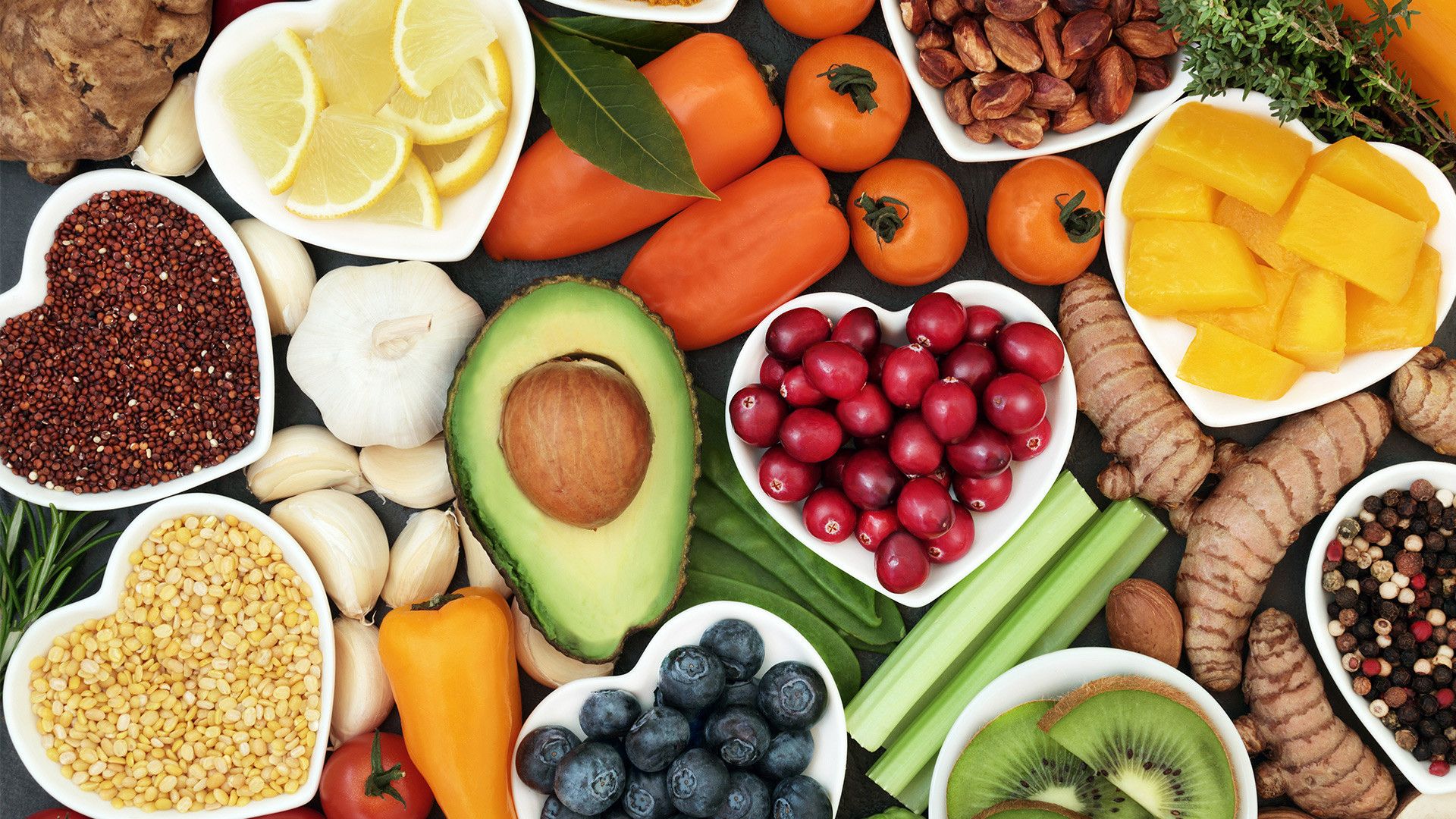
Fruits and vegetables: Fruits and vegetables play a major role in keeping the heart healthy. They are rich in fiber, vitamins, and minerals, which help reduce fat, calories, sodium, and cholesterol, and eating them naturally is more beneficial than drinking fruit juice.


Dry fruits: Dry fruits contain monounsaturated fat, which is related to the body's nerves. If the patient eats a handful daily, the risk of heart disease is reduced by almost 30 percent.


Healthy Protein: Good sources of protein, B vitamins, iron and other vitamins and minerals like meat, pulses, seafood, eggs etc. should be included in your diet.


Whole grains: Whole grains are good sources of fiber. It also contains many other nutrients, due to which the blood pressure is also controlled. The body utilizes the high amount of fiber, vitamins, minerals, etc. found in whole grains. Regular consumption of whole grains reduces the risk of heart attack and stroke.


Foods rich in vitamin C: According to a research, vitamin C helps control blood pressure. Eating foods rich in vitamin C also reduces the risk of heart disease. Vitamin C is found in foods like amla, orange, lemon.


What kind of food to eat less?


If you have heart disease, it is better to eat less of these foods.


Red meat: Although red meat is rich in protein, many people include it in their diet, but heart patients should eat very little red meat. Because it also contains a lot of fat. Instead of red meat, fish and chicken can be eaten.


Egg Yolk: Eggs are considered a good source of protein for going to the gym. But the amount of saturated fat in egg yolk is high, so its intake should be reduced.


Trans fat: Trans fat damages the heart. Processed products are high in trans fat. To avoid this, read the label on the back of any item while purchasing it.


Sugar and salt: Excessive consumption of any food has a negative effect on the body. Excessive consumption of sugar and salt increases the taste and also causes diabetes and high blood pressure. Therefore, the use of salt and sugar in food should be reduced.


Something to note


Do not consume tobacco products: Tobacco products increase the risk of heart disease and heart attack. This affects the nerves of the body, which is the main cause of triglycerides and heart attacks. In addition, nicotine can increase blood pressure. Therefore, do not consume tobacco products.


Avoid drinking alcohol: Alcohol increases the problem of high blood pressure, which ultimately promotes heart disease. Excessive consumption of alcohol makes the nerves of the body stiff. Therefore, people with heart problems should not consume alcohol.


Reduce obesity: Excess fat in the body increases the level of bad cholesterol and triglycerides. It also causes high blood pressure and diabetes. Therefore, weight should be controlled to avoid heart problems and to avoid complications when the problem occurs.


Exercise: Lack of physical activity is like inviting heart disease. Obesity, high blood pressure, high cholesterol and increased sugar levels are the cause of a comfortable lifestyle. So you should exercise daily. But those who have experienced heart problems should consult their doctor about what kind of exercise to do.


How does Pantop work when eaten with gastric?

 How does Pantop work when eaten with gastric?


Acid is produced in the stomach every day, which helps in digesting food. This acid must be released from the stomach for digestion. But sometimes, for some reason, more acid is produced than required. It is called gastric.


Increased acid causes heartburn, heartburn and loss of appetite. In this case, the medicine taken for relief is pentaprazole. Pentaprazole is a proton pump inhibitor drug. This drug is colloquially known as pan top. The proton pump is the digestive juice, which is in the stomach layer. This medicine controls the secretion of digestive juices.


In what situation to use?


- Digestive problems especially when there is too much acid from the stomach or gas


- Gastroesophageal reflux disease (regurgitation after eating)


- In case of swelling in the esophagus, which carries food through the mouth to the stomach. (This problem causes chest burning, discomfort and loss of appetite.)


- Heartburn (For heartburn, medicine should be taken only on the advice of a doctor. Because heartburn can sometimes be caused by heart problems.)


- Ulcer problems


- If there is a tumor in the stomach


How does it work?


This drug belongs to proton class. When our stomach produces more acid than necessary, in that case sour belching, stomach ache and reluctance to eat occur. In this case, the work of this drug is to reduce or stop the amount of acid by disrupting the work of cells that produce acid in the stomach. As soon as its quantity decreases, the symptoms related to stomach pain will decrease.


This medicine also prevents the negative effects on the esophagus caused by acid.


How to take this medicine, when to take it?


It is a medicine that is swallowed by keeping it in the mouth with water. It should not be broken or chewed. But while taking medicine, it should not be taken on the basis of Hachuva. It is necessary to consult a doctor before taking any medicine.


This medicine should always be taken on an empty stomach. And, if you take it only occasionally, you should take a small amount.


How much to take depends on the health condition. It is a normal condition, one can be taken in the case of belching and sour water coming into the mouth. In many cases, it may be necessary to take more. Which is determined by the doctor.


In what condition should this medicine not be taken?


Women with liver disease, lack of calcium in the blood, low levels of magnesium, potassium, pregnancy and breastfeeding women should not take this medicine.


Does any medicine interact with this medicine?


People who are taking Atazanavir, Nelfinavir, Amplicin, Delaviserdine, Iron Salt, Ketoconazole should not take this medicine. Because these drugs can react with Pantop drugs and cause other side effects.


Should not be used for a long time?


It doesn't make any difference to eat pantop sometimes. But if you eat more, it can be harmful. Some people have a habit of taking this medicine when they have a stomach ache. If you eat this way continuously, it can cause problems such as weakening of bones, polyps (meat growth) in the stomach.


How fast does it give results?


This medicine starts working two hours after taking it. Its effect lasts for 24 hours. It may take up to four weeks to see its effectiveness and relief from symptoms.


This drug is sold in three forms.


– 20 mg delayed-release oral tablet


– 40 mg delayed-release oral tablet


– 40 mg granules for delayed-release oral suspension


In some cases, this drug is also given through a needle.


How to store?


This medicine should be kept in a very cool, dry and safe place. And, it should be kept away from the reach of children. Also, it should not be kept in the sun and damp places.


What are the side-effects?


Allergic reactions such as itchy skin, swelling of the face, lips, tongue and throat


Kidney injury, decreased urine output, swelling of heels, hands and feet


Magnesium deficiency, muscle and joint pain, rapid heartbeat


Low vitamin B-12 levels, tingling hands and feet, muscle weakness, difficulty concentrating


Diarrhea, fever and vomiting


If these side-effects are observed, the medicine should be stopped immediately and the relevant doctor should be contacted.


history


Pantoprazole was invented by scientist Bike Gulden in 1980. And the production and sales distribution took place in 1985. This drug was extracted while searching for a cure for ulcer.


How to make sex life easier for people with high blood pressure and heart disease?

 How to make sex life easier for people with high blood pressure and heart disease?


Sex is a natural need. However, many people with heart problems may have a question - doesn't sexual activity put the heart at greater risk?


It is natural to have this dilemma. Because as much as other health problems are openly discussed, not so much is discussed about sex. Patients do not openly ask questions about this due to hesitation with doctors. So that it may be affecting the sex life directly and indirectly.


Does having heart problems affect your sex life?


Factors such as physical and mental condition, appropriate person and environment can make a difference in the outcome of sex. But sex is a basic need and it is not considered a taboo subject even in any disease.


It is considered safe to have sex even in people with heart problems. According to a journal published in the Johns Hopkins Medicine Organization, cohabitation is considered safe for people with heart and high blood pressure who have no problem climbing stairs, walking and running for some distance. If there are no symptoms, there is no objection to intercourse.


But during the extreme stimulation of sexual intercourse, heart rate increases and blood pressure also increases, so the heart may be under more pressure. For this reason, it is necessary to take some precautions in people with heart artery disease. But it is not necessary to stay away from sexual contact.


If the chest becomes heavy during normal swaying or climbing stairs, there may be some risk of heart attack during sexual intercourse. In such a case, after examining a cardiologist, proper treatment can be given and sexual activity can be done after consulting about precautionary measures.


Post-heart attack condition


It is not good to do too much physical activity for the first two weeks after a heart attack. After that, when the chest is not heavy while swinging and it is easy to do moderate physical activity, then it is possible to have sex. But the condition of being able to have sex and not being able to have sex may differ from person to person.


How to facilitate sex life after a heart attack?


- Husband and wife should talk about their interests and situation without keeping any distance between them.


- A healthy person between husband and wife should help each other by understanding each other's situation.


- Do not have sex immediately after eating.


- Fear should be removed from the mind. Sometimes you can't enjoy sex if you are afraid of having heart problems during intercourse.


- If the chest becomes heavy during intercourse, it may be necessary to stop the activity immediately and take medicine of the "nitrate" group. What the doctor may have said during the consultation.


- If you feel uncomfortable, you should consult a doctor.


Effects of sex on hypertension and cardiovascular disease


In people with high blood pressure and heart disease, the interest in sex is low and the male sex is not stimulated, it takes more time to get excited, and the excitement may not last for a long time. Women may also experience less interest and vaginal dryness and more pain.


the reason


Just as fatty substances accumulate in the blood vessels of the heart and brain and become narrowed, the blood vessels of the penis and vagina also become narrowed when the blood pressure increases. And, the blood flow decreases, which can decrease sexual interest in both.


Sometimes, heart and high blood pressure patients think they are weak without any reason and weaken their self-esteem, so they don't show priority in sex and cannot get full satisfaction. A condition that requires psychological counseling.


Similarly, some medicines related to heart and high blood pressure also affect sexual function. Medicines of the 'thiazide' and 'beta blocker' group used for high blood pressure can reduce sexual interest, lack of extreme pleasure, and decrease in sexual stimulation.


Studies have shown that about 10 percent of young and old people taking these drugs have this effect. Similarly, drugs such as digoxin and sparonolactone, which are used for heart disease, can also reduce sexual desire and cause pain and swelling in men's breasts.


Those with heart rhythm problems may also experience lack of sexual desire and sexual satisfaction. In addition, sexual desire can decrease in diseases such as high blood pressure, various hormone-related conditions, kidney disease, and long-standing uncontrolled diabetes.


What is the solution?


Medicines such as Viagra can be taken to increase sexual arousal. But before taking this medicine, you should consult a doctor.


Alternative medicines can be used on the advice of a doctor, depending on the age and condition of the person, instead of the drugs of the 'thiazide' and 'beta blocker' group used for high blood pressure and the drugs like 'digoxin' and 'sparonolactone' used for heart disease.


Taking Viagra can be fatal for people who are taking drugs from the 'nitrate' group. Apart from that, people with very high or low blood pressure, recent heart attack patients, kidney and liver diseases should not take Viagra.

How to deal with angry children?

 How to deal with angry children?


Children often have tantrums, which is normal. They express their feelings through anger. What they are not able to say openly, they express it through anger.


Usually, children get angry if they want something, if they are sad or in pain, if they cannot eat what they want. When they get angry, they cry, scream, throw hands, jump from high places. Which is also called tantrum in medical language. But this is normal.


This is how children learn to hold their own and behave. But even as you get older, such behavior, such as getting angry, beating someone when you don't understand, it is called unhealthy behavior. These symptoms are not normal but can also be due to mental illness.


Dr. Vijay Gyawali, Psychiatrist

Why do children keep getting angry even as they grow older?


Children get angry for many reasons. Mental health is also one of the reasons. Attention Deficit Hyperactivity Disorder (ADHD) also causes children to get angry. Its symptoms include inability to concentrate, impulsiveness, quick decision-making, and repetition.


Children also get angry due to separation anxiety. For example, when returning home from school, getting angry, snapping, and chirping are symptoms of it. They are excited to see their parents after the school holidays. Not knowing how to express that enthusiasm, they get angry and angry.


They get angry because they cannot express their feelings clearly due to family discord, quarrels, when their wishes are not fulfilled and also due to bullying in school.


How to trick children?


Usually, children have a habit of getting angry and upset over small things. At this time, they should not be scolded, beaten and beaten. It can have a bad effect on them mentally. Instead, if they are very angry, you should try to understand their feelings.


Children can be fooled by applying Parent Management Technique (PMT).


At first, they should be taught how to express their feelings. When you get angry, write down what you are angry about, show a red card when you get angry, and sit with both hands tied.


If you don't like something, you can make him take a long breath, close his eyes, and sing a song without showing anger. Which helps to reduce their anger.


A change can be made in the language that deceives them. Like, if you are angry, why are you angry, did you do your homework or not?, isn't it time to go to school? Asking them like this can make them even more angry. Instead of using a different kind of language, children can be told 'I am angry today, you are fooling me'. It learns that when angry, this is how it behaves. Anger is also reduced.


Similarly, it can be taken for a walk or to play inside or outside the house. For example, you can make them play in the sand, play football, run, etc. Which helps to 'release' their angry energy.

What do you understand by Reductionism and non-reductionism. Discuss with reference.

What do you understand by Reductionism and non-reductionism. Discuss with reference. 


**Reductionism and Non-Reductionism: A Sociological Perspective**


Reductionism and non-reductionism are contrasting philosophical and methodological approaches that have implications for how we understand complex social phenomena. In the field of sociology, these concepts have been central in shaping how researchers approach the study of society and human behavior.


**Reductionism:**


Reductionism refers to the approach of explaining complex phenomena by breaking them down into simpler, more fundamental parts. In sociology, reductionism involves attempting to explain societal phenomena by reducing them to individual-level factors or mechanisms. This approach is rooted in a belief that understanding the behavior of individuals will inherently lead to an understanding of larger social structures and processes.


A classic example of reductionism in sociology can be found in the study of deviance. Early positivist criminologists such as Cesare Lombroso sought to explain criminal behavior by reducing it to individual physical characteristics or traits. This reductionist approach aimed to find a single cause for complex social phenomena, overlooking broader societal factors that contribute to deviance.


**Non-Reductionism:**


Non-reductionism, on the other hand, asserts that complex phenomena cannot be adequately understood solely by breaking them down into their constituent parts. It emphasizes the importance of emergent properties that arise from interactions between various elements. In sociology, non-reductionism emphasizes the significance of social structures, institutions, culture, and historical contexts in shaping individual behavior and societal outcomes.


One prominent sociological perspective that aligns with non-reductionism is symbolic interactionism. This approach focuses on the micro-level interactions between individuals and how meanings are constructed through these interactions. Symbolic interactionists argue that social phenomena cannot be reduced to individual behaviors alone, as the meanings attached to actions and symbols are integral to understanding human behavior within a social context.


**Reference to Social Theory:**


A key reference in the discussion of reductionism and non-reductionism is Émile Durkheim's work on suicide. Durkheim's study aimed to understand the social factors influencing suicide rates. Instead of reducing suicide to individual psychological factors, Durkheim highlighted the importance of social integration and social regulation. He demonstrated that suicide rates were influenced by larger societal structures and norms, showcasing the limitations of reductionism in explaining complex social phenomena.


In contrast, Max Weber's concept of verstehen, or empathetic understanding, emphasizes the need to consider the subjective meanings individuals attach to their actions. This aligns with non-reductionist thinking by highlighting the importance of understanding social actions within their broader cultural and historical contexts.


**Implications for Sociology:**


The debate between reductionism and non-reductionism has profound implications for sociological research and analysis. Reductionism can provide valuable insights into individual behaviors and psychological mechanisms, but it risks oversimplifying complex social processes. Non-reductionism reminds us that societal phenomena are multi-dimensional and interconnected, requiring an understanding of how various elements interact to shape outcomes.


Contemporary sociological research often seeks a balance between these perspectives. Mixed-methods approaches, for example, allow researchers to incorporate both individual-level analyses and broader structural considerations. Moreover, a growing emphasis on intersectionality recognizes that individuals' experiences are shaped by multiple dimensions of identity and social context, highlighting the limitations of reductionism in addressing these complexities.


In conclusion, reductionism and non-reductionism represent two contrasting approaches within sociology for understanding complex social phenomena. While reductionism seeks to break down phenomena into simpler components, non-reductionism emphasizes the importance of emergent properties and broader social contexts. The sociological landscape benefits from incorporating insights from both perspectives, ensuring a comprehensive understanding of the intricate interplay between individual actions and societal structures.

If the tooth is eaten by worms, should it be pulled out or filled with fluoride cement?

If the tooth is eaten by worms, should it be pulled out or filled with fluoride cement?


In recent times, awareness about the disease is increasing among the common citizens. But oral and dental health is not given much attention. Common dental diseases are found in most people. It can happen at any age.

How to remove dark circles with home remedies?

How to remove dark circles with home remedies?


Many people suffer from dark circles under the eyes. This problem appears from adolescence due to various reasons. Dark circles are caused by stress from studies, work, lack of sleep, drinking less water, changes in hormones and irregular lifestyle. Apart from that, dark circles can also be caused by genetics.

Google Translate will provide you with an instant translation of the text.

Google Translate will provide you with an instant translation of the text.

Google Translate is a free online translation service developed by Google that can translate text, speech, and websites from one language to another. It was launched in April 2006 and has been continuously updated and improved since then.

Business ideas that a new Nepali graduate with no experience and a low budget

Here are a few business ideas that a new Nepali graduate with no experience and a low budget might consider:


Blogging or content creation: If you have strong writing skills and an interest in a particular subject, starting a blog or creating content for social media platforms could be a way to earn money quickly. This could involve creating written, audio, or video content on a specific topic or niche, and monetizing it through advertising, sponsorships, or affiliate marketing. The advantages of starting a blogging or content creation business include the ability to work from anywhere and the potential to reach a large audience. The disadvantages include the need to be proficient in online marketing and the need to consistently produce high-quality content to attract and retain an audience.

"They gave me food, what's wrong with you?"

"They gave me food, what's wrong with you?"


Oh, he is happy! What is he missing? We are seeing so many beautiful photos on Facebook.

With the implementation of MDMS, can foreign tourists use Nepali SIM or not?

With the implementation of MDMS, can foreign tourists use Nepali SIM or not?


Nepal Telecommunication Authority has launched the Mobile Device Management System (MDMS) for the prevention and control of illegal mobiles.

What happens When people with high blood pressure drink alcohol

What happens When people with high blood pressure drink alcohol


Let's say you have high blood pressure. He is also an alcoholic. Doctors have clearly said, 'Alcoholic substances can be more dangerous in high blood pressure.'

Is there a shortage of cetamol in the market with the increase in dengue infection?

Is there a shortage of cetamol in the market with the increase in dengue infection?


Dengue infection is increasing rapidly in major urban areas including Kathmandu. Most of the hospitals in Kathmandu have started filling up with dengue patients. As there is no specific treatment or medicine against dengue, medicine is given according to the symptoms. Paracetamol is given to eat especially because of high fever in dengue infection.

Popular Posts