Causes and treatment of mania

 Causes and treatment of mania


Mental and physical hyperactivity, disordered behavior and excessive increase in thinking is mania or frenzy. It is a type of mental illness, which is classified under anxiety and depression. After getting this disease, a person's feelings and emotions change abnormally and the person's behavior, thinking, sleep and social interactions start to look unbalanced.
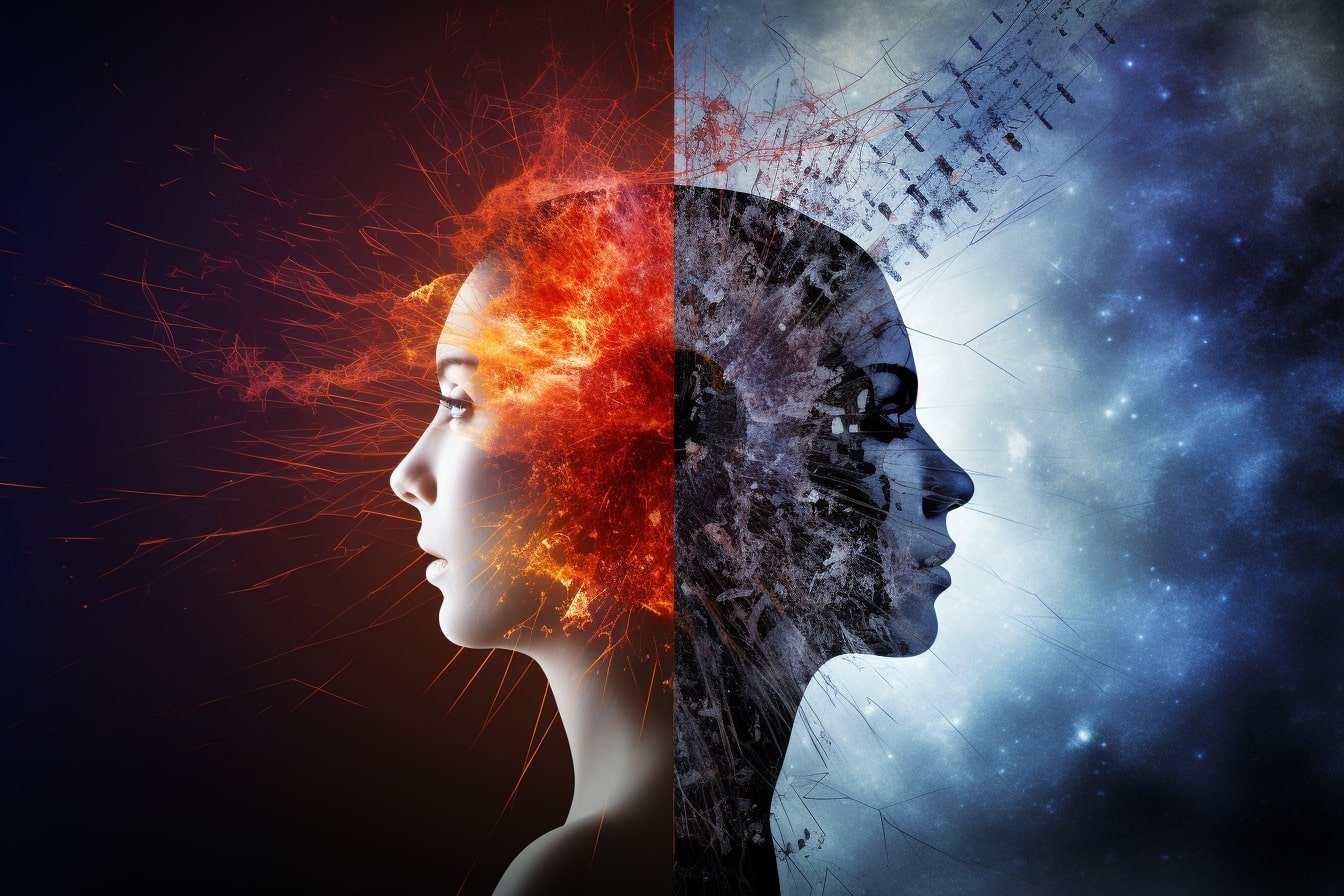


Depression is despair, while mania is the opposite of excitement and happiness. In this disease, people like to be happy, laugh, talk a lot, dance and sing songs for no reason. Similarly, symptoms such as sudden anger, impatience and increased sexual desire also appear. This happens in all people, like mood swings or excessive liking. If it does not have any negative impact on daily life, it can be taken as normal, but if it has affected personal and professional life for at least 6 months, then it is considered as mental illness.


Symptoms seen in mania


- Frequent high self-esteem and ambitious thinking, but not working hard to achieve goals


- Sudden impulse


- Being abnormal in sexual behavior


- I have such thoughts and ideas that I either do not sleep or do not sleep much


- Talking abnormally (slurring)


- Playing a lot of things in the mind


- Being impatient, talking big but unable to do anything in essence. If due to depression i.e. mania bipolar, a person can reach severe mental illness (psychotic). Therefore, it is necessary to treat it on time.


How is mania?


It is caused by biological, genetic and psychosocial reasons.


Biological causes: Biological causes include imbalanced neurotransmitter chemistry in the brain. It appears that mania occurs when there is a problem in the hypothalamus of the brain. It is also called the center of satisfaction. When there is a disturbance in it, one cannot be satisfied and at this time the dopamine neurotransmitter is released in the brain, while the level of serotonin is low, which makes one want to do the same thing again and again and enjoy it. Even if someone in the family has a history of mania, other members of that family are at risk of developing mania.


Psychosocial cause: People with bipolar tend to get this disease. Similarly, people with seasonal mood disorders, people with dementia, sudden death of a close relative, passing away, physical and mental trauma, brain injury can get this disease.


Types of mania


There are many types of mania, among which hypomania, delusional mania and delusional mania are the main ones. Hypomania: This is a condition where the person seems to adjust their daily and professional routines. In this situation, a person may feel that something has changed in his thinking and behavior.


Delirious Mania: In this condition, the person looks very ambivalent. In this case, immediate treatment is needed.


Delusional Mania: In this condition, the person is very delusional. As a result, his social relationships deteriorate one after the other, problems arise in family and marital relationships, if something is shown to be wrong, he gets angry if it is not true, does not accept and does not scare others by saying that 'only I have extraordinary abilities', stays in his own world. .

Treatment


Cognitive Behavioral Therapy (CBT) is used to treat mania. It helps to control the patient's depression and excitement. Similarly, in some cases, self-care and family medicine should also be adopted.


Who is at risk?


This mental problem can start at any stage and age. This problem is especially common among people aged 15 to 25 years. The problem of mania is very visible in teenagers.


Will it heal completely?


If it is normal type of mania, it will be cured within 6 months to 3 years. But there is also the possibility of returning again. The disease can be prevented by taking into account the person, his environment (family, profession), but if there is any disharmony, there is a possibility of reoccurrence.


Mental Health: 11 Myths and Truths


Many misconceptions about mental health have been around for centuries. Some associate it with the effects of ghosts and ghosts or the fruits of previous births, while others call mental illness insanity.


What this situation shows is that people are not so aware of the problems related to mental health. For this reason, many people do not like to tell anyone about their health problems such as stress or depression. Instead, they keep it hidden.


What are the illusions?


Myth: People with mental health problems are mentally weak and cannot work.


- Having problems with mental health does not mean that a person's intellectual ability decreases or that he has a dull intellect. Having a mental problem does not mean that a person cannot make his place in society. The reality of this is that even if a particular person has some kind of mental health problem, he can lead a normal life.


Until this problem becomes serious, daily and family life can be easily lived.


Delusion: Mental illness is seen only in certain people.


- This is also not true. Studies on mental health have concluded that one in five people may experience mental illness at some point in their lives.


So it seems that anyone can have mental health problems in one way or another.


Delusion: Mental problems cannot be cured once they are seen.


- Mental problems can appear in different ways depending on the person. One is that mental problems are not caused by one cause and one disease. Mental problems have stages. Which may return to normal with time.


In most cases, drug treatment, various types of therapy can be cured or controlled.


Misconception: People with mental problems will be cured by behavior after marriage.


Truth: This is a misunderstanding. Brain-related problems can be treated with a skilled doctor, proper medication and a positive environment.


If he gets married after leaving the treatment, not only his condition but also that of his spouse may deteriorate.


Myth: All people with mental problems are violent and aggressive.


- There is no complete truth in this statement. People with mental health problems are themselves at risk of violence and assault.


According to the data of the World Health Organization, 9 out of every 10 people with mental problems are victims of human rights violations in one way or another.


They have as much anger as a healthy person. But in some serious cases, if there is no treatment or there is an imbalance in the amount of medicine being used, they may sometimes appear like Hrinsak.


Myth: Children and adolescents do not have mental health problems.


- More than 50 percent of mental health problems begin before the age of 14. Childhood abuse, poverty, accidents, bullying, sexual abuse, domestic strife, trauma after someone's untimely death in the family, etc. can be the causes of mental problems in children.


WHO has also stated that 1 in every 5 children and adolescents have some kind of mental health problem.


Myth: Mental health problems are caused by personal weaknesses.


- Mental health problems can develop due to biological, environmental, social and psychological reasons.


Therefore, it cannot be said that the problem is caused by a person's personal weakness or lack of self-strength.

Myth: People with mental health problems cannot be helped.


- If you can provide emotional support to people with mental problems, their health will gradually improve. The more they live alone, the more they are at risk of negative thoughts.


Therefore, sitting with them and listening carefully to what they want to express can help such a person a lot.


It seems that people with mental problems are called crazy in the society, which is wrong. It is everyone's duty to respect them and protect them as much as possible.


Illusion: Being mentally ill, they pretend to get attention from others.


- In diseases like mental illnesses, anxiety and 'bio polar disorder', behaviors such as trembling, crying, and convulsions can be seen. In such a situation, some may perceive it as a witch or a deity or pretending to attract the attention of others, which is wrong. These are symptoms of mental problems. The identification and successful treatment of which can lead to proper management.


Delusion: People with mental problems have low will power.


- In our society, there is a misconception that only people with low willpower can suffer from mental illness or that people with mental problems do not have willpower. But this is not true, because mental illness affects the mind and not the strength of the person.


Misconception: As soon as you have a mental illness, you should be admitted to a mental hospital.


- It is not necessary to be hospitalized as soon as a mental illness occurs. In some cases, they need to go to the hospital for treatment and follow-up. But you don't have to stay in the hospital for a long time.


Their successful treatment is more important than how well the family members are able to care for them.

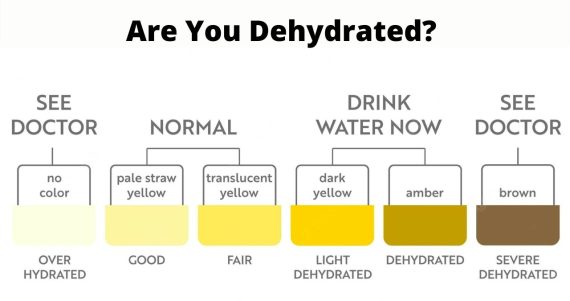
How healthy are you? It can be detected by the color of urine

 How healthy are you? It can be detected by the color of urine


Red, yellow, pink and green. Sometimes the color of urine can be like a rainbow. It can also be purple, orange or blue in color. Many such changes in the color of urine cannot be considered a normal condition.


Our body removes waste through urine. It also flushes out the nitrogenous wastes that are formed by mixing proteins, muscles and red blood cells in the body.


In addition, many other substances such as vitamins and medicines that we eat are excreted from the body through urine.


There are some elements which should not be present in urine. So, when you have a health problem, the question that the doctor often asks is, 'What is the color of your urine?'


From the answer to this question, what is the health condition of the doctor and what kind of treatment can be given? It is easy to guess roughly.


red color


If the color of the urine is red, it indicates that there is blood in it. It can cause problems in any part of the body related to the urinary system. If there is blood in the kidney, bladder, prostate or any tube connected to the ureter, the urine may be red.


Similarly, how blood is excreted through urine depends on many physical conditions. For example, what is the amount of blood in the urine? Looking at how fresh? And, are there other problems while urinating?


If there is a lot of bleeding, the color of the urine looks like 'red wine'.


Such bleeding can be due to many reasons. For example, kidney stones, cancer, trauma, any infection in the urinary tract. Even if you eat beetroot more than necessary, the color of urine can be red.


Under normal conditions, our urine looks like yellow color and orange color. It also depends on how much water we drink.


As water becomes less, the color of urine becomes dark yellow and sometimes orange in color.


If you drink enough fluids, the color of urine will be thin and pale yellow. The substance that makes urine yellow is called 'urobilin'.


Its production process begins with the breakdown of old red blood cells in the body. Those blood cells that are not in good shape need to be removed from the body system.


In this process, a compound called bilirubin is formed. It exits the body to some extent through the urinary tract and to some extent through the intestines. Bilirubin is used in our liver to produce bile that is released when we eat. This pitta is important for digestion and helps break down fat in the body.


Bile stays in the intestines and passes out through the stool. Due to this pitta, the stool looks brown in color. Bile can also be unable to reach the intestine, which indicates gallstones or cancer blocking the bile ducts. In this case, bilirubin returns to the bloodstream. And it comes out through urine.


Therefore, the color starts to darken, appearing orange or brown. If the amount of bilirubin increases, the color of the skin also starts to turn yellow. This condition of the body is called 'obstructive jaundice' i.e. a type of jaundice.


In this case, if the amount of bilirubin increases, the color of the face becomes yellow. Some medications, including the antibiotic rifampicin, can cause orange urine.


Green and blue


Green and blue colors are rarely seen. If the color of the urine is green or blue while urinating in the toilet, the person may be surprised.


If green or blue dyes are used to color any food, the color of urine may be green or blue. Eating such foods in excess can cause such urine.


Taking some medicines like anesthetics, vitamins, antihistamines can also cause the color of urine to be green or blue. Some bacteria also make compounds, which are green in color.


Pseudomonas aeruginosa bacteria produce blue and green colored pyocyanin.


Urinary tract infection can be seen in rare cases. In such a situation, urinating may cause burning and pain.


female stomachache because poisonous food

purple


This situation is also rare. One possible cause of this is porphyria. It is a genetic disease that affects the skin and nervous system.


The second reason for this is a rare disease called Purple Urine Bag Syndrome. Which is due to urinary tract infection.


In this case, using a catheter (a device used medically to remove urine from the body) also makes the urine purple.


pink


A small amount of beetroot can cause the color of urine to be pink instead of dark red. In such cases, urologists compare it to red wine.


There may be other colors of urine, which are not part of the rainbow. Some are dark in color. Usually brown or black. When this happens, doctors may compare it to Coca-Cola.


other diseases


The color of the urine can be brown or black, which the doctor can compare to Coca-Cola. Sometimes this color appears when muscles are broken down and converted into a compound called myoglobin. Which is a sign of a serious disease called rhabdomyolysis. Therefore, excessive exertion or the use of some medicines may be necessary.


Similarly, bilirubin can also cause black and gray color. Bilirubin makes the urine so dark that it appears both black and brown in color.


Kidney swelling

This color can also be seen in acne (glomerulonephritis). Due to this, when passing through the urinary tract, the urine changes from red to brown in color and sometimes the urine can be colorless.


Urine should not be dark yellow in color. Likewise, a large amount of thin urine can also indicate some diseases. Whether it is due to diabetes or excessive alcohol consumption.


It shows how many different colors our urine can be and how many different problems it can indicate. And, this is by no means a list of every problem.


But understanding the reason for the change in urine color will help you decide whether to drink water or see a doctor.


Is frequent urination at night a sign of diabetes?


A night's sleep acts as a medicine for the tiredness of the day. If something disturbs the sleep, there will be many problems. Frequent urination at night is one of the reasons that disrupts sleep.


If you have to go through this problem every day, it is not normal. This problem is related to diet and lifestyle, Dr. Veer Hospital's chief consultant Eurosurgeon. Ravin Bahadur Basnet says.


"Frequent urination at night can also indicate diabetes, urinary tract infection or prostate disease," he says.


Drinking a lot of water makes you urinate frequently?


Many people think that because they drink a lot of water before going to bed, it is normal to urinate a lot at night. But it doesn't always happen. This can be a symptom of diabetes and other serious problems. Vinay Bhattarai says.


If you drink a lot of water before going to bed, sometimes you may urinate frequently at night. But if there is a problem of frequent urination at night, drinking water before going to sleep or drinking too much water may not be the reason, he says.


Dr. Bhattarai continues, “Diabetes increases blood sugar levels, which puts a lot of pressure on the kidneys and they cannot absorb the extra sugar completely. As a result, excess sugar is excreted through urine, but at this time, a large amount of water is also absorbed from the body. As a result, more urine starts coming out. In such a situation, when you feel very thirsty, the amount of water increases and you urinate frequently.


In diabetes, there is frequent urination not only at night but also during the day. If there is a problem of dry mouth and frequent urination, Bhattarai suggests getting diabetes checked.


Other causes of frequent urination


Dr. If you do not urinate frequently during the day, but you have to urinate frequently at night, it may also be due to heart problems. Basnet says. "If the heart is not working properly during the day, water accumulates in the lower part of the leg while standing and sitting," he says. Makes and may urinate frequently at night.'


Frequent urination in men can be a symptom of prostate problems. As the age increases, the prostate gland increases and frequent urination occurs not only at night but also during the day.


"Urinary tract infection (UTI) due to the infection of the urinary tract, the problem of frequent urination at night also appears," said Dr. Bhattarai says, "Even if there is an infection in the kidneys, urine can come many times during the night."


He says that a woman's frequent urination at night is also a common early sign of pregnancy. He says that this problem appears when the growing fetus puts pressure on the bladder.


If you urinate frequently at night, you should first have a urine test to identify whether there is any health problem. If there is no identification from that, other tests such as ultrasound should be done," said Dr. Bhattarai says, "We find out whether there is any problem in the test. If a problem appears, it should be treated on the advice of a doctor.

Popular Posts