Showing posts with label dangerous. Show all posts

Hantavirus: Why is a dangerous infection with a mortality rate of up to 50 percent in the news now?

 Hantavirus: Why is a dangerous infection with a mortality rate of up to 50 percent in the news now?


Hantavirus is not usually transmitted from one person to another. However, in the case of the Andean species of hantavirus found in South America, a few cases of human-to-human transmission have been recorded.


Hantavirus is a very deadly ‘zoonotic’ virus that can become a global health challenge at any time. This virus, which is mainly transmitted to humans from rodents, causes serious damage to the lungs and heart if infected. After its sudden outbreak on a cruise ship operating in the Atlantic Ocean, it has become a topic of renewed discussion and concern among health experts and the general public around the world.


What is Hantavirus?


Hantavirus is a group of viruses belonging to the ‘Bunyaviridae’ family. It is named after the ‘Hantan’ river in South Korea, where it was first identified in 1978.


So far, scientists have discovered more than 20 species of it in different parts of the world, which affect human health in different ways.


Based on their effects and geographical presence, hantaviruses are mainly classified into two categories. The New World hantavirus species, found mainly in the American continent, causes ‘Hantavirus Pulmonary Syndrome’ (HPS) or ‘Hantavirus Cardiopulmonary Syndrome’ (HCPS). This causes serious damage to the human respiratory system and heart function.


Similarly, the Old World hantavirus species, which is more active in Europe, Asia and Africa, causes ‘Hemorrhagic Fever with Renal Syndrome’ (HFRS). This type of infection has a risk of direct and fatal effects on the human kidneys.


Recent Outbreak: Hantavirus Scare on Cruise Ships


The main reason why Hantavirus has recently become the focus of international media attention is the sudden outbreak on the MV Hondius cruise ship operating in the Atlantic Ocean. The ship, operated by the Dutch Oceanwide Expeditions company, departed Argentina on April 1. The health crisis on the ship, which is on a tour of remote islands such as Antarctica, South Georgia and Tristan da Cunha, has caught the attention of the world.


According to the latest report from the World Health Organization, seven of the 147 passengers and crew members on board the ship have been confirmed or suspected to be infected with Hantavirus. Three of the infected have died, while one is still receiving treatment in a serious condition. The other three have shown mild symptoms.


The deceased include a German citizen and a Dutch couple. According to the information received, the husband of the Dutch couple died on the ship on April 11, while the wife died in a hospital in South Africa on April 26. This tragic incident has sparked a new debate about the risk of the virus in closed environments such as cruise ships.


Source of infection and transmission


The main source of infection with Hantavirus is rodents. The virus is mainly transmitted to humans through the urine, feces or saliva of rats. When a person breathes in an area contaminated with rat feces, tiny particles of the virus mixed in the air directly enter the respiratory system. This is the most common and major route of infection. In addition, the virus can also enter the body when a rat bites, eats food contaminated with the virus, or touches a contaminated surface and then touches the eyes, nose or mouth with the same hand.


Hantavirus is not usually transmitted from one person to another. However, limited human-to-human transmission of the Andean hantavirus, a strain found in South America, has been recorded. According to the World Health Organization, such transmission is likely to occur through very close and prolonged physical contact.


The current outbreak on the MV Hondius cruise ship is also suspected to have involved human-to-human transmission. Dr. Maria Van Kerkhove, WHO’s director of pandemic preparedness and response, said that the possibility of human-to-human transmission cannot be completely ruled out, as some of the infected people appeared to have had very close contact. However, she urged people not to be overly concerned, saying that the virus is not as easily airborne as flu or COVID-19 and that the risk to the general public is not currently high.


Treatment and prevention


There is no specific drug or specific vaccine developed to protect against hantavirus infection. Therefore, supportive care in hospitals remains the only option to save infected people. If the patient's condition is serious, they are placed in the intensive care unit (ICU) and oxygen therapy and ventilators are used to facilitate the respiratory process.


Since this virus is transmitted by rodents, the best way to avoid it is to avoid contact with rats. Proper arrangements should be made to prevent rats from entering your home, workplace or storage rooms.


Special care should be taken when cleaning areas that may have rat droppings. To prevent dust from flying in such areas, instead of sweeping the floor, only damp cleaning should be done using a disinfectant solution or bleach. The mandatory use of masks and gloves during such cleaning can prevent virus particles from entering the body.


In addition, Squirrels should always be kept in a secure container out of the reach of rodents. People who live or work outdoors or near forests need to pay extra attention to the cleanliness of their surroundings. In unusual circumstances, it is wise to maintain personal hygiene and social distancing, while fully following the instructions of health authorities. Since there is no cure for Hantavirus, awareness and caution are the strongest weapons in the fight against this deadly infection.

Use of AI in healthcare: How useful, how dangerous?

 Use of AI in healthcare: How useful, how dangerous?


Doctors use AI in conjunction with their knowledge, experience, and patient conditions, and the risk increases when patients base their decisions on that.


Use of AI in healthcare: How useful, how dangerous?


AI is not a replacement for doctors, but a tool to expand their capabilities, and its responsible use in the healthcare sector is necessary.

Some time ago, during the confusing time when the Medical Education Commission announced the PG results, I created a ‘seat predictor’ tool using available data and AI.


Recently, when the actual results of the government seat came out, this tool of mine seemed to be ‘conservatively’ very safe. The tool had ‘underestimated’ the actual rank somewhat, so that doctors did not have false expectations and could make safe decisions.


I have also included its detailed description and how to use it in the description of the MD/MS video of my Bimarsha Acharya YouTube channel. This small experiment made me realize one big thing, that AI is not an ‘enemy’ for the Nepali healthcare sector, but rather a powerful ‘co-pilot’ for those who know how to use it correctly.


In this context, I have been conducting clinical research training sessions, in which I have also been regularly covering the use of AI, its ethical aspects and its responsible integration into daily medical practice.


In the process, I have trained more than 700 doctors and medical students in Nepal. This experience has further highlighted the need to use AI not just as a tool, but also in a safe and responsible way with proper guidance.


AI has become like a companion to me while seeing patients daily in the hospital. I use it regularly to remember medication doses or precautions, compare different treatment methods, align my decisions with international guidelines and understand the results of the latest research and trials. In complex cases, comparing your initial clinical thinking with evidence-based information makes decisions clearer and more confident. In this way, AI is a powerful tool to augment the capabilities of doctors, not replace them.


AI for doctors: Which is more useful?


The various AI tools in use today, such as Grok, Gemnai, ChatGPT, Perplexity, and OpenEvidence, have their own roles. However, their use varies depending on the context. ChatGPT, Gemnai, or Grok can be useful for understanding general information, clarifying concepts, and facilitating quick clarification. Perplexity presents information with sources, making it easier to search and compare. However, evidence-based, contextual, and up-to-date information is extremely important for clinical decisions.


OpenEvidence is considered particularly useful in this regard. This platform focuses on providing evidence-based information based on international journals, clinical trials, and established guidelines. It shows doctors not just the answer, but also the scientific basis for it, which makes clinical decisions safe, reliable, and accountable.


Therefore, while various AI tools can be used for general understanding, OpenEvidence is considered one of the most suitable options in the current situation as an evidence-based platform for clinical practice and decision-making.


The danger of relying on AI's advice


Nowadays, many patients have started using AI like doctors. There is an increasing trend of seeking medical advice directly after experiencing common symptoms, which can be a serious danger.


For example, if someone has a stomach ache, AI can recommend a medicine to relieve common pain. But a serious problem like appendicitis may be hidden within that symptom. Even if the medicine provides relief for some time, the disease may become more complicated.


This is where the difference between AI used by doctors and patients becomes clear. Doctors use AI by combining their knowledge, experience, and patient's condition, while patients directly base their decisions on it, which increases the risk. Self-medication can sometimes even put lives at risk.


AI in Nepal's health sector


In a country with geographical challenges like Nepal, AI can bring about a major change in healthcare. In remote areas where there is a lack of specialist doctors, AI can help in decision-making at the primary level. Its use in X-rays, cardiac tests or emergency assessment can guide timely treatment.


Combining AI with telemedicine can reduce the distance between villages and cities. Patients can get specialist services nearby, while doctors can also provide better service with limited resources.


AI can also play a big role in the research sector. It can help increase participation in complex studies, data analysis and international publications. This has the potential to make Nepal’s health system knowledge-based and technology-friendly.


Our responsibility now


The future competition will not be between doctors and AI, but between doctors who know how to use AI and those who do not. A system that cannot adapt with time will fall behind.


Therefore, it is necessary for both the government and the private sector to work together to formulate a clear policy to integrate AI into the health system. It is imperative to provide training, resources and incentives to doctors.


If we fail to embrace this technology today, we will be unable to compete globally tomorrow. But if we move in the right direction, Nepali health care The sector can establish its identity on an international level.


The question now is clear: will we lead the change or lag behind it?

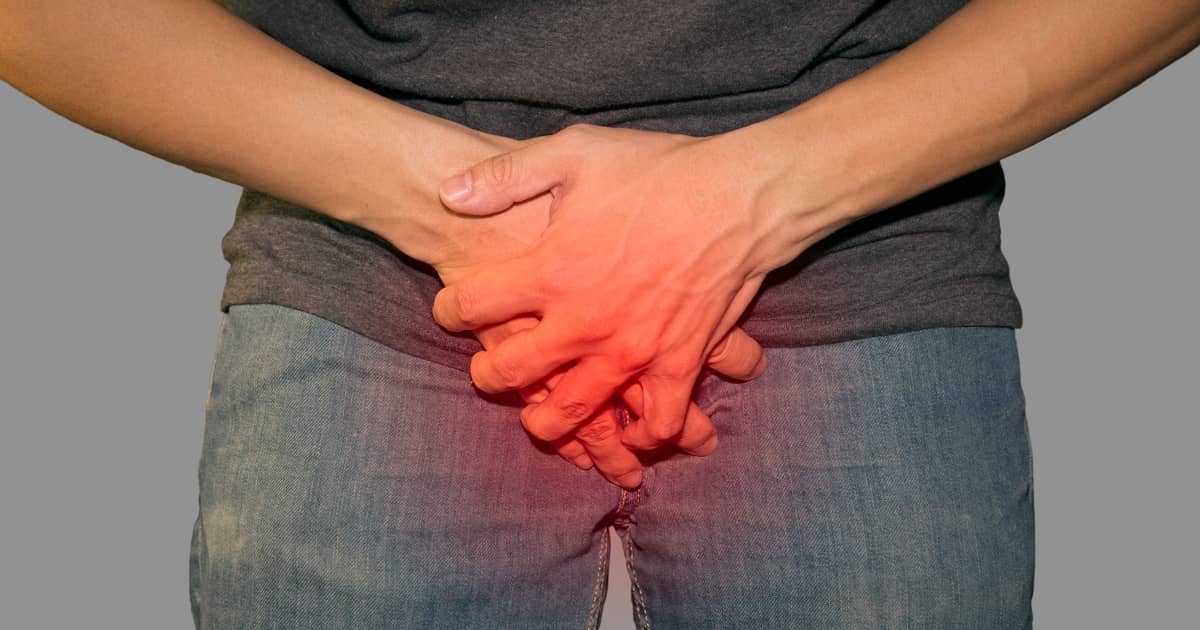
How dangerous are male genital infections?

How dangerous are male genital infections?


Genital burning in men can be caused by anything from a simple allergic reaction to a serious sexually transmitted disease. In some cases, the genitals may also burn due to urinary infection.


If there is no serious problem but it just itches, then it can also be caused by underwear. Especially in the summer season, the inner clothes become wet and damp with sweat. As a result, the rash becomes infected and causes itching, burning and peeling of the skin.


The risk of infection is also higher in those who wear 'synthetic fabric' underwear.


what to do


- Cotton should be used for inner clothes. Cotton cloth can keep the genitals dry for hours by easily removing the moisture and sweat from the genitals.


- Changing underwear daily.


- You can sleep without underwear at night. By doing this, if there is a problem of burning and itching, it will give relief to some extent.


Allergic reaction


Sometimes the use of moisturizers, gels or soaps can also cause allergies. The chemicals in these products can cause itching and burning.


Therefore, if this problem occurs, it is advisable to stop these products for a few days or consult a doctor.


what to do


- If it is a chemical reaction, then the genitals and its surroundings should be thoroughly washed with warm water twice a day.


- After that, wipe with a cotton cloth and put on a cotton inner garment.


Genital dryness during intercourse


Not only underwear, genitals can also burn during sexual intercourse. This problem bothers most men who experience intense burning.


This problem can be due to lack of lubricant. It can cause not only burning but also genital pain and red spots.


what to do


- If a condom is not used during intercourse, a safe type of lubricant can be used.


- Attention should be paid to the cleanliness of the genitals.


- If there is a problem with burning even after three days, it is advisable to see a urologist.


sexually transmitted disease


Sexually transmitted infections are also a common cause of male genital burning. This problem is seen as a symptom in sexually transmitted diseases like herpes, ringworm, gonorrhea and chlamydia.


To guess that it may be a sexually transmitted disease, symptoms such as reddening, soreness, discharge of pus, pain during intercourse are seen along with burning of the penis.


The main cause of sexually transmitted infections in men is having too many sexual partners and not using a condom during intercourse.


what to do


- If you suspect the symptoms of a sexually transmitted disease, you can see a sexologist or a urologist.


- Timely identification of sexually transmitted diseases and drug treatment according to the problem is possible.


Fungal infection


Symptoms such as burning, white blisters, and frequent itching are seen even when there is growth of fungus (thrush) on the penis. However, this problem is less common in men than in women.


But lack of attention to hygiene, not changing underwear daily, wearing cold underwear and having unprotected sex with a sexually infected partner can cause fungal infection.


what to do


- If there is an infection, if antifungal medicine is used, the infection will gradually disappear along with the symptoms. But the medicine should be taken only on the advice of a doctor.


- Regardless of whether there is a problem or not, you should always pay attention to hygiene and make a habit of having sex in a safe manner.


Urinary tract infection


In case of urine infection, it can be easily recognized as the symptoms are clear. Burning when urinating, feeling full in the bladder and frequent urination are the main symptoms of urinary infection.


what to do


- Antibiotics are used in its treatment. If you take the medicine recommended by the doctor after looking at the condition, you will recover quickly.


Eczema or psoriasis


Skin problems like eczema or psoriasis can also make the penis and the area around it dry. Due to this, there are problems like itching, burning, swelling of the skin.


what to do


- Dermatologist or urologist can give some medicine depending on the condition.


- Do not bathe with hot water in this condition. And don't rub it on the skin. It can cause more problems by creating wounds on the skin.


Kidney stones


Kidney stones are small lumps or clusters made of minerals and salts that can form anywhere in the urinary tract.


Its causes are low fluid intake and frequent urinary infections, low citrate in urine, bowel problems, taking HIV antiviral drugs and scoliosis drugs, increased uric acid levels, and in some cases, stones can also occur due to low water intake.


Because of this, there is excessive burning during the discharge of urine from the urethra. Also, symptoms like lower back pain and fever are seen.


what to do


- There are different methods of treatment according to the type, size, location and structure of stones. Small stones can be treated with medication.


- If the stones are small, the patient is made to increase the amount of medicine and water. Because of this, the stones are easily washed away with the urine.


- In case of very large kidney stones, surgery or laser treatment may be recommended to remove them.


Problems with the prostate gland


Even if there is a problem with the prostate gland, there may be an intense burning sensation in the penis. Its size increases with age. When the number of cells in the prostate gland increases, the size and weight of the gland increases.


The cover or shell of the prostate gland is not so flexible. As the flexibility of the prostate gland is limited, when this gland grows, the urethra begins to be pressed, so the urine does not get an easy passage.


As the gland enlarges, the urethra becomes narrower and longer  It happens. The symptoms of which are burning urine, pain, blood in urine and delayed urination.


what to do


- According to the doctor's advice, treatment according to the symptoms, use of drugs, use of alpha blockers and other drugs that dry the prostate gland can be very effective.


- If it has been a long time and the medicine stops working effectively, or if the size of the prostate gland is very large, surgery is necessary.


- Surgery is now possible through binoculars and laser technology. So that the complexity is less.


Is the dangerous variant of Corona 'NeoCov' spreading?

Is the dangerous variant of Corona 'NeoCov' spreading?


For some years now, the coronavirus has been spreading terror everywhere. Corona infections have killed millions worldwide. This left some in hospital beds and some physically and mentally weakened. As the corona infection spread, so did the lives of people around the world.

Popular Posts