What kind of food to eat in the rainy season?

What kind of food to eat in the rainy season?


During the rainy season, the disease is more severe than before. Due to hot heat, there are many problems of sweating, dehydration, sore throat, laziness, laziness. Diseases like whooping cough, diarrhoea, typhoid and flu are more common in rainy season.
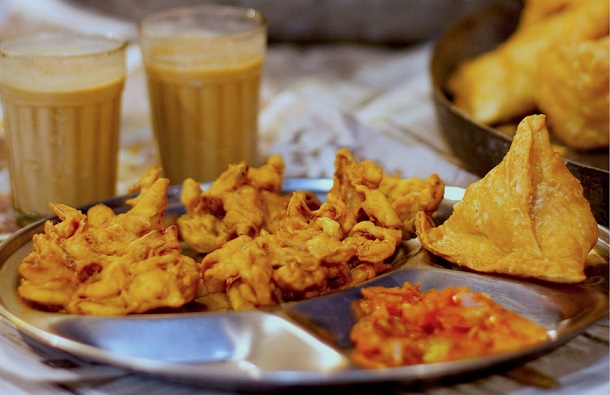


Therefore, special attention should be paid to food during this season. Eat fresh food as much as possible, it is best to stay away from stale food. Emphasis should be placed on foods rich in protein, vitamins, and minerals to increase immunity.


vegetables


It is good to eat cauliflower, banta, banana, golvenda, green vegetables, bodi, parsley, Parsley sprouts during rainy season. These vegetables are rich in vitamins and minerals. Spicy foods should be reduced during this season. Eating too much spices can increase body temperature and blood circulation.


Similarly, it is better to eat less salt in this season. Eating too much salt will dry up the body's water, so its intake should be reduced. When cooking vegetables, it is beneficial to wash them thoroughly and eat them shortly after they are cooked.


Be careful while buying vegetables. Buying fresh vegetables as much as possible will not destroy the minerals in them. Which also increases the body's fitness and ability to fight disease.


fruits


Fruits should be eaten in a balanced way during rainy season. Seasonal fruits like mango, apple, pomegranate, mango, pear are best to eat in this season. When eating fruits, they should be eaten only after washing them well. You can also make fruit juice and eat it, but don't eat too much. Drinking too much fruit juice can cause diarrhea.


High protein


It is equally important to complete the amount of protein in the body during rainy season. Therefore, you should eat plenty of foods like milk, curd, legumes, mushrooms, and meat. These foods keep the body healthy and increase its ability to fight disease. It is beneficial for health to eat all foods except milk and curd by frying and not by making jhol or gravy.


Fiber-rich foods


Fiber is also necessary for digesting high protein foods. For that, you can eat lettuce, avocado, apple, kafal, banana, orange, almond, walnut, pesta, babri, sauf, Rajma, soybean, dal. Foods rich in fiber keep the stomach clean and also get rid of rectal problems


Ghee, cheese, butter, which provide good fat, can be eaten in the rainy season in a balanced manner.


the water


As the rainy season is also the time of summer, you should drink plenty of water. At this time, if you don't want to drink only plain water, you can also mix it with living water. Do not drink water as cold as possible because there is a risk of sewage bursting, water pipe bursting and the sewage water mixing with it. Which directly affects the drinking water. Therefore, water should be boiled and filtered, filtered and drunk only. It is better to carry water in a bag when going out.

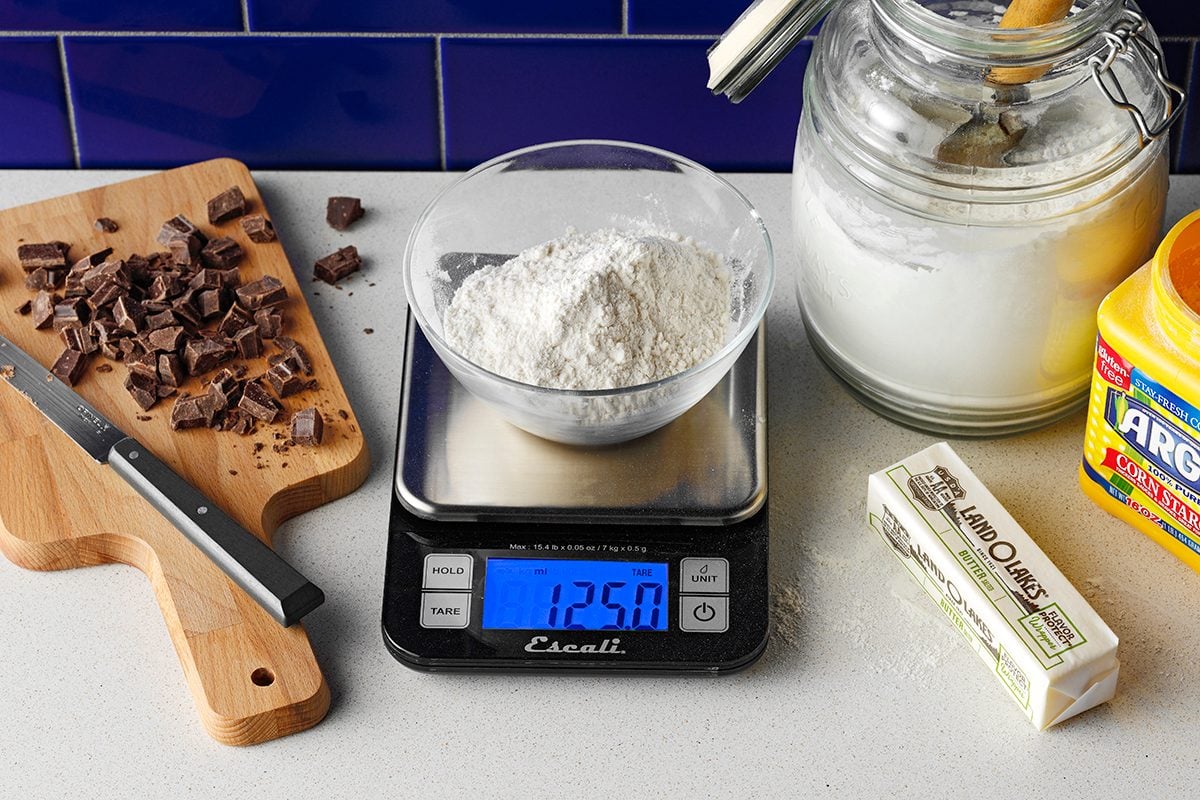
Don't eat flour?

Don't eat flour?


"Maida is a weak poison." This idea is prevalent everywhere. Maida is listed as a 'unhealthy' food with no nutritional value. On the contrary, the portion of flour is more in the food that we consume every day. Bread, Chowmein, M:M to Biscuits, Noodles, Cookies are all flour based dishes.


Is flour really inedible?


Nutritionist Anushree Acharya refutes this question. She says, 'This is a big illusion. If flour was not to be eaten, it would not be allowed to be brought to the market as inedible.''


Edible flour


Food Research Officer Ujjwal Rayamazhi says maida is not "inedible". "Flour is edible," he says, "but it is less nutritious because the bran is removed during processing."


Generally flour and atta are made from wheat. During the preparation of maida, the entire husk of wheat is removed and ground twice. Bleaching is also done to make it white and soft. Such flour is said to be comparatively less nutritious.


Acharya, a nutritionist, says that flour is made at home in the traditional way. He says that no harmful chemicals are mixed in the flour prepared in this way, so it can be eaten safely.


Nutritionist Acharya says, "It is not a myth that flour should not be eaten, but based on the merits and demerits of any food, it is determined how much to eat, who eats it, and how to eat it." Accordingly, you should eat in a healthy manner.


She says that she eats flour dry roti, pani roti, boiled m:m, noodles. But food prepared by mixing the same flour with other ingredients and frying it in oil can be harmful. Like, samosa, chowmin, jerry, biscuit, noodle.


There is also a widespread understanding that flour or flour-based foods harm the stomach and liver. Stomach and liver specialist Dr. When we asked this question to the Relict Bhandari, his answer was, "If someone has gluten celiac disease, they should not eat maida." Apart from that situation, others will not do much harm if they eat maida.


There is a different argument from the popular opinion about Maida, Dr. Bhandari's "It is wrong to say that eating maida causes gastric or stomach related diseases," said Dr. Bhandari says, 'How and how much maida is eaten is important.'


What harm does flour do?


If you search for the harm of maida, you will find many such materials on the internet, which explain that maida is 'not to be eaten'.


As mentioned there, the amount of nutrients and fiber in maida is zero. Due to the lack of fiber in maida, it causes digestive problems. Eating flour or flour-based dishes is said to cause damage to the intestines, constipation, indigestion and acidity.


Similarly, because the amount of glycemic element is high in maida, it increases the amount of sugar in the blood. Due to the high amount of starch in maida, it is said to increase bad cholesterol.


Maida should be mixed and eaten


Although it is true that maida does not contain fiber, it is an edible food, says Acharya, a nutritionist. "It is wrong to say that the amount of fiber in maida is zero, it causes problems in the intestines and increases obesity," she says.


She says that how, how much and who eats flour is more important than whether to eat it or not. "Maida should be eaten in the right amount, in the right way," she says, "there is no harm in eating it this way."


Dr. Stomach and Liver of Baneshwar Civil Hospital. According to Vidhanidhi Paudel, mixing flour with other fibrous or nutritious foods does not harm the stomach.

Popular Posts