Surgery or physiotherapy for vein compression?

 Surgery or physiotherapy for vein compression?


Asmita Dulal from Kathmandu was suffering from back pain for a long time. She was ignoring it, thinking it was normal pain.


One day suddenly the pain started to be unbearable. How long did the back pain become, it became impossible to get up and sit down. She rushed to Veer Hospital. The doctor advised him to do an MRI of the back. From the MRI, it was found that the vein in his back was torn. The doctor said - you should have surgery immediately.
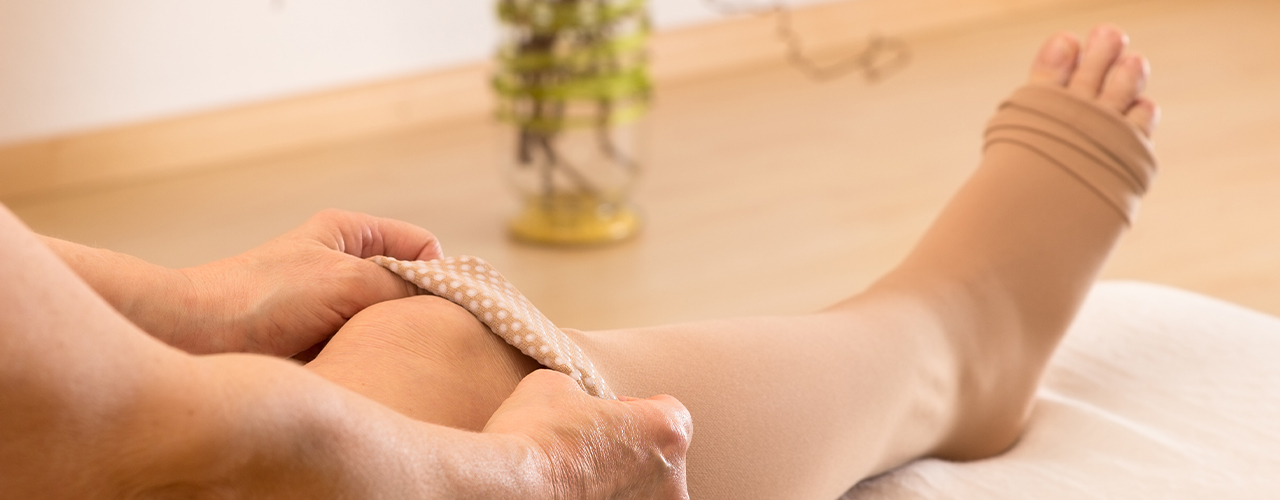


At the mention of surgery (operation), she hiccupped. She was afraid that the surgery would cause other problems.


In the meantime, someone told him, 'You should not do surgery when the vein is torn. It can also be cured by physiotherapy. She went to a natural hospital for therapy. She underwent a few weeks of therapy. During the therapy, the pain decreased.


But with the passage of time, his problem became there. Finally, she reached a state of mind where she had to undergo surgery.


Similarly, the naive officer of Nuwakot was suffering from lower back and one leg pain from time to time. As the pain worsened, he went to Green City Hospital for treatment. His back vein was slightly compressed. The doctor gave him pain relievers and advised him to exercise daily.


Bhola took the medicine given by the doctor but did not exercise. A few weeks after the medication ran out, his problem started to worsen again. When the pain started increasing, he went to the doctor again. The doctor advised him to do physiotherapy. As per the doctor's advice, he underwent physiotherapy and also changed his lifestyle and his problem gradually got better.


Orthopedic and neurologist Dr. Unhealthy lifestyle, obesity, spending too much time on mobile phones and people who don't exercise are becoming common problems. Saroj Kumar Suwal says. "This problem can occur in any part of the body from the head to the feet, of which the spinal cord is the most common," he says.


'The spinal cord is compressed for a long time, the blood circulation is not good and the blood starts to stop in one place due to the pressure. Due to which the vein is blocked. The veins become swollen and start to hurt a lot," he says.


Dr. Saroj Kumar Suwal

People who do heavy work or lift heavy objects can also have problems with pinched veins. Apart from that, if there is a serious type of bone loss problem, if there is a broken limb, if there is a problem with bone movement and aging, it can cause the problem of vein rupture. In addition, due to lifestyle, this problem can also occur when working in one place for a long time. Suwal explains.


Neurosurgeon Dr. Dr. Dr. Rupesh Raut says.


How is the vein torn?


There are many bones in the spine in the human body. Between each bone is a circular disc. The disk is a particularly thick liquid. Due to an accident or if there is a problem with moving the bone, the disc comes out from between the two bones and tears the nerve. Dr. which we call in common parlance, the veins are torn. Suwal explains.


This problem is more common in the age group of 20 to 40 years. Mainly back and neck veins are more common," he says.


Treatment varies according to the patient's condition


In the problem of pinched vein, the treatment method is different depending on the condition of the patient. Treatment is usually through medication and physiotherapy. But if the patient's condition is serious, Dr. should be treated through surgery. Suwal explains.


It has three stages. In the first and second stages, rest, medicine and physiotherapy are the only cures. The third stage is the situation where the problem has become a bit chronic. In this condition, it is difficult for the patient to move.' He says, 'If there is a long-term problem with the nerves, surgery is required. It will be cured after surgery. It is known from MRI that the vein has been torn.


Even after reaching the third stage, the veins may not function permanently during helchectomy. He said that there could be a possibility of not moving the legs forever, paralysis.


This is what a neurosurgeon says


Neurosurgeon Dr. According to Rupesh Raut, the problem of back pain has become common these days. According to the world data, the most common reason for OPD visits is due to cold, followed by back pain. "Many patients think that a vein has ruptured when they have back pain," he says, "There are various reasons for back pain. In which the joints of the spine are affected, the bones are broken and back pain can also occur. Among the patients who come to the hospital with back pain, only 5 percent have the problem of pinched veins.


The bones of our spine are like blocks, stacked one on top of the other. Between the two blocks is a bone-like element made of thick fluid called a 'disc'. Raut says that when this brittle bone gets old or there is a major injury in the spine, it starts to come out of its place and tear the nearby nerves. He says, "In the part of our body where the nerve goes, the leg pain, tingling, and not moving properly appear in the same direction," he says.


Dr. Rupeshjung Raut

In such a case, you should consult a doctor about how to treat it. Medicine, exercise, therapy and surgery etc 


It is treated in different ways. Dr. Raut says, '90 percent of varicose vein problems are caused by medication, lifestyle changes and therapy. The remaining 10 percent should be operated only for those with serious problems.


It cannot be said with a guarantee that any treatment will cure the patient 100%. Raut says. "After surgery, the patient does not recover 100 percent," he said, "even during surgery, various complications can occur." If the vein is torn due to the disc, it needs to be removed, which is very close to the vein. Removing the disc in this way can sometimes lead to vein injuries, blood clots at the surgery site, etc.


Four percent of those who have undergone surgery may have this problem again within 10 years. Emergency surgery may also be necessary.


One of the emergency conditions of vein rupture is 'Cauda Equina Syndrome (CES)'. Cauda equina syndrome is a rare but serious condition in which nerve roots along the spinal cord are compressed and damaged. Raut says. In this case, the patient should be operated as soon as possible within 24 to 48 hours. It is better to do the surgery within eight hours for better results,” he says.


He said that if this problem occurs, symptoms such as lower back pain, pain in one or both legs, swelling in the lower part of the waist, and difficulty in stopping urination will appear.


Physiotherapist talk


Physiotherapy is an effective treatment method for pinched nerves. In physiotherapy, ultrasonic therapy, TENS, IFT are used. Physiotherapist Sapna Koju says that these therapies play an important role in reducing pain.


She says, 'Exercises during physiotherapy are particularly effective in cases of torn veins. It helps to strengthen the muscles and restore the disc to its original condition.


Physiotherapist Sapna Koju

The treatment of the herniated disc also depends on how many places the vein has been torn and how much part of the vein has been torn. If the disc is only half protruded or the nerve is only half pinched, it can be cured by physiotherapy. Which falls under the first and second phase, says Koju.


She says, 'If the disc has completely protruded, it must be surgically inserted or removed. Which is the third and fourth stage. In other words, if less than 60 percent of the disc has come out, it can be treated with physiotherapy, and for more than that, surgery is the only option.


During the first and second phase of physiotherapy treatment, the patient is given an injection to reduce the pain. Similarly, patients are treated by machines. Koju explains that the physiotherapist uses a pain control machine for that.


The patient can also be treated by creating negative pressure in the place where the vein is torn through certain exercises. By applying more pressure elsewhere during the treatment, the indirect pressure falls on the problem area,'' she says, 'as a result, the liquid comes out and helps to bring in the one in the middle.'


Ways to avoid varicose veins


Do not lift heavy weights, do not work sitting in one place for long periods of time, keep your spine straight while sitting, do not use high pillows, do not strain your neck, go to the gym and lift less weight, do not bend over for long periods of time and do regular exercise. And neurologist Dr. Suwal explains.

What are the medicinal properties of garlic?

 What are the medicinal properties of garlic?


There is no need to say much about the taste of garlic. It tastes bitter when eaten raw. When it is mixed with pulses, vegetables, the taste changes.


Basically, garlic is used in Nepali cuisine for flavor. However, it is also considered full of medicinal properties. That is why garlic has been used as medicine since ancient times. Garlic is called 'Rason' in Sanskrit. Because out of the 6 juices on earth (bitter, bitter, salty, tart, sour, sweet), garlic has five juices. Garlic does not have only 'sour' juice.


It is called 'Rasone' because 'Ras Un' means one less juice. In Ayurveda, garlic is classified as a pain reliever.


History of Garlic


Garlic has been used for thousands of years in China and Egypt. In 1325 BC, garlic was placed in the tomb of the Egyptian emperor Tutankhamun to preserve the body. At that time, the inhabitants of Egypt used to put garlic in the grave after someone's death. It was believed that when a person reaches the next world after death, he should not be afflicted with diseases.


Similarly, the soldiers going on a long journey also used to carry garlic, so that if there was any problem, they could use it as a medicine.


With the migration of people, the use of garlic became widespread. It is mentioned in history that garlic has entered China and India in the sixth century BC. At that time it was used only for treatment. After that, garlic was gradually used not only in treatment but also in daily life.


The importance of garlic is also mentioned in mythology. According to the story, when Lord Indra took the nectar and brought it to the earth, garlic was born from the drops of nectar that fell.


What can be inferred from these stories is that garlic has been used as a medicinal plant for centuries.


What happens in garlic?


According to medical research, a compound called allicin is mainly found in raw garlic. This is the same element, which has antibacterial and antifungal properties. Also, garlic is rich in salts like phosphorus, zinc, potassium and magnesium. The smell of garlic is pungent because it contains sulphur.


What does garlic do?


Also, garlic is still being used in pulses and vegetables, which may have direct-indirect benefits. Apart from that, eating two to four cloves of garlic on an empty stomach in the morning is beneficial. The 'Allicin' element in garlic helps to protect against various types of infections. It does not allow typhoid, fever, allergy infection.


Garlic is also used to reduce pain in the body. Garlic can be placed on the swollen or painful area and massaged with heated oil. Raw garlic contains the antioxidant sulfhydryl substance, which helps in removing toxins from the body.


Regular use of garlic removes bad cholesterol accumulated in blood vessels. It reduces the risk of heart attack. Consuming garlic in proper amount reduces the pressure on the blood vessels. Garlic is also considered useful for regulating blood pressure. Garlic can be used for some skin problems.


Who should not eat?


Garlic allergy, blood deficiency and if the patient is taking blood thinners, it is advisable not to consume garlic. Because if you consume garlic in such a situation, other problems may increase. Even if you have an ulcer, its consumption is appropriate.


If you are taking any medication or undergoing treatment while using garlic as a medicine, you should consult a doctor.

How can the patient recover quickly?

 How can the patient recover quickly?


A recent research has revealed that the human brain has made a timetable for the work of cells throughout the body.


During the 24 hours of the day, these cells work according to the same schedule, called the 'circadian rhythm' or 'body clock', the biological clock. According to this biological clock, the way the body works during the day and night is different. The body works in different ways at different times of the 24 hours. The Greek physician Hippocrates understood this long ago.


In traditional Chinese medicine, it is mentioned that the lungs work best from 3 am to 5 am, the heart from 11 am to 1 pm, and the kidneys from 5 pm to 7 pm.


Perhaps based on this, new research is being conducted in this direction today. Research by biologist John O'Neill has shown that cells called "fibroblasts" quickly repair tissues damaged by injuries during the day. Fibroblast cells penetrate the skin cells to the site of injury, and help it to heal.


After evaluating the International Burn Injury Database, Professor O'Neill said in his research, "People who burn at night take 11 days longer to heal compared to patients who burn during the day."


The biological clock must be understood


Our body's ability to fight disease also affects our body clock. It is important to have a strong immune system to fight any kind of infection that spreads in the body.


Virologist Rachel Edgar is researching the relationship between the 'body clock' biological clock and viral infections. He has researched the ringworm virus in mice.


According to him, this virus is 10 times more active at night and its effect is much less in the morning. This change is probably due to the immune system being less active. The rhythm of the infected cells is also effective in increasing the infection.


Similar results have been observed in seasonal fever. If you take the medicine in the morning rather than in the afternoon, you will get relief sooner. But it is also true that the chances of getting sick during the day are more. The same principle does not apply to different types of infections.


Medicines should be taken at the right time


Professor Edgar says, 'If it is known at what time the virus is affecting the surrounding cells, it can be prevented from spreading through antiviral therapy. By doing this, the amount of antiviral drugs can also be reduced.


According to the World Health Organization, about 250 basic and essential medicines are available in almost all hospitals in the world. But the time to take all of them is different. The effects of these drugs are determined by the body's internal cellular clock. Because of this, the effect of medicine may be less or more. These include painkillers, blood pressure, asthma and cancer medications.


How effective the medicine will be depends on when it is used. This means that if those medicines are not taken at the right time, their effect will be reduced.


For example, if blood pressure medication is taken in the evening instead of in the morning, it is only 60% effective. Another study showed that the effect of radiation therapy was greater in the afternoon than in the morning.


Not everyone's body works the same way


It is not so easy to find out which medicine is more effective at what time and at what time. It is not always possible for the patient to take the medicine at the right time. Also, the mathematics behind the medicine cannot be explained to the patient.


Many times patients take time to recover if they do not take medication on time. Medicines should be taken regularly without skipping a beat. If the medicine is stopped in between, the medicine will not work properly. Patients do not understand this.


Every person's 'body clock' is different. Some people's sleeping, waking up and eating time do not match. Some have the habit of staying up late at night and sleeping late in the morning.


Many people work at night. As a result, the rhythm of their 'body clock' becomes completely different, which also affects their health.


Light, sleep and time


Our platelets and blood clotting cells grow during the day. Also, adrenaline hormone, which increases the heart rate and constricts the nerves, is also released more during the day.


In some intensive care units or cardiac care units, dim lights are turned on at night, which is good for patients. The time of day and night and the patient's biological clock play an important role in many types of surgery and speedy recovery. Researchers hope to soon develop a circadian pill to cure heart disease, an environment that can be used in the presence or absence of light as needed.


Light, sleep and time are the most important to maintain good health, but not all of us pay attention to these things. From cancer, heart disease to allergy patients, medicine is given when it works best in the body. It helps the patient to recover quickly.


The Sociology of Markets. Neil Fligstein and Luke Dauter.

 The Sociology of Markets.
Neil Fligstein and Luke Dauter.


The Sociology of Markets, as explored by Neil Fligstein and Luke Dauter, delves into the intricate web of social relationships and structures that underlie market dynamics. This theoretical framework offers a profound understanding of how markets operate not merely as economic entities but as social institutions shaped by human interactions, cultural norms, and institutional arrangements.


One key aspect emphasized by Fligstein and Dauter is the concept of "socially embedded markets." They argue that markets are not detached from society but are deeply embedded within social structures. In their seminal work, the sociologists highlight how relationships, trust, and social networks play a pivotal role in shaping market outcomes. This perspective challenges traditional economic theories that often treat markets as purely rational and efficient entities divorced from social context.


Furthermore, Fligstein and Dauter introduce the notion of "strategic action fields" to explain the ongoing struggles and negotiations within markets. According to this concept, various actors, including firms, regulatory bodies, and consumers, engage in strategic actions to advance their interests. The authors argue that understanding these action fields is crucial for understanding market dynamics, as it sheds light on the power relations, alliances, and conflicts that define market structures.


In their analysis, Fligstein and Dauter also highlight the role of institutions in shaping market behavior. Institutions, both formal and informal, provide a set of rules and norms that guide economic interactions. The sociologists argue that institutional arrangements influence not only individual behavior but also the overall functioning of markets. This perspective aligns with the broader field of economic sociology, which seeks to integrate sociological insights into the study of economic phenomena.


The authors pay particular attention to the concept of "market as a social structure." They argue that markets are not only arenas for economic exchange but also social structures that shape and are shaped by societal values, norms, and power dynamics. This approach challenges the traditional economic view that sees markets primarily as mechanisms for allocating resources efficiently. Instead, Fligstein and Dauter advocate for a more holistic understanding that considers the social and cultural dimensions of markets.


Another crucial element of their work is the examination of market dynamics in relation to globalization. The increasing interconnectedness of markets on a global scale has profound implications for social structures and relationships. Fligstein and Dauter explore how globalization influences the power dynamics within markets, shapes the role of nation-states, and contributes to the emergence of transnational markets.


In conclusion, the Sociology of Markets, as articulated by Neil Fligstein and Luke Dauter, offers a comprehensive and nuanced perspective on the interplay between markets and society. Their emphasis on socially embedded markets, strategic action fields, and the role of institutions provides a rich framework for understanding the complexities of contemporary market systems. By integrating sociological insights into the analysis of markets, Fligstein and Dauter contribute significantly to a more holistic and interdisciplinary understanding of economic phenomena.


Here are key points about "The Sociology of Markets" by Neil Fligstein and Luke Dauter in bullet form:


- **Socially Embedded Markets:**

   - Markets are not isolated from society but deeply connected to social structures.

   - Emphasizes the role of relationships, trust, and social networks in shaping market dynamics.


- **Strategic Action Fields:**

   - Describes ongoing struggles and negotiations among various market actors.

   - Focuses on how actors, including firms and regulatory bodies, engage in strategic actions to advance their interests.


- **Institutional Influence:**

   - Institutions, both formal and informal, play a crucial role in shaping market behavior.

   - Rules and norms provided by institutions guide economic interactions at both individual and market levels.


- **Market as a Social Structure:**

   - Views markets not only as economic arenas but also as social structures.

   - Acknowledges that markets shape and are shaped by societal values, norms, and power dynamics.


- **Globalization Impact:**

   - Examines how globalization influences market dynamics.

   - Considers the interconnectedness of global markets and its implications for power dynamics and the role of nation-states.


- **Holistic Understanding:**

   - Advocates for a more comprehensive and interdisciplinary approach to studying markets.

   - Challenges traditional economic perspectives by integrating sociological insights.


- **Power Dynamics:**

   - Highlights the power relations, alliances, and conflicts within Mark etc.

   - Recognizes that understanding these dynamics is essential for understanding market structures.


- **Transnational Markets:**

   - Explores the emergence and impact of transnational markets in the context of globalization.

   - Considers how global interconnectedness influences the behavior of market actors.


- **Cultural Dimensions:**

   - Acknowledges the influence of culture on market behavior.

   - Argues that cultural factors are integral to understanding the complexities of market systems.


- **Economic Sociology Alignment:**

   - Aligns with the broader field of economic sociology.

   - Integrates sociological perspectives into the study of economic phenomena.


These points provide a concise overview of the key concepts and contributions of Fligstein and Dauter's work on the Sociology of Markets.


Here are some important points about "The Sociology of Markets" by Neil Fligstein and Luke Dauter:


- The sociology of markets is a field of study that examines the social, cultural, and economic factors that influence the behavior of individuals and groups within markets.

- Markets are not inherent, but rather are socially constructed, meaning they are shaped by the interactions of individuals and groups within a society.

- Cultural factors play a significant role in shaping market behavior, as they influence how individuals perceive value, make decisions, and interact with others within the market.

- Social structures, such as institutions, organizations, and networks, influence the operation of markets by providing the context within which market participants interact and transact.

- Power dynamics between market participants can impact market outcomes and the distribution of resources.

- The increasing interconnectedness of global markets has led to the emergence of new market dynamics, such as the growth of multinational corporations, the rise of emerging markets, and the intensification of competition.

- Technological advancements have transformed the way markets operate, from the advent of the internet and e-commerce to the development of new technologies that enable real-time trading and information sharing.

- The sociology of markets has been one of the most vibrant fields in sociology in the past 25 years.

- The major ideas in the sociology of markets include the social construction of markets, cultural factors, social structures, power dynamics, globalization, and technological advancements.

- The sociology of markets has made significant progress in exploring context as the 'origins, operations, and dynamics of markets as social structures'.

- The “micro-constructionist” perspective on market creation suggests that markets function when producers and consumers establish a stable social organization with roles and niches.

- For any market to function, supply must be brought into contact with demand in "social spaces where repeated exchanges occur".

- The sociology of markets is a multidisciplinary field that seeks to understand the complex interactions between human behavior, social structures, and market forces.


New variant of Korana also found in Noida, JN.1 variant has raised concern

 New variant of Korana also found in Noida, JN.1 variant has raised concern

Covid-19 JN.1 Variant Updates: According to the data released by the Ministry of Health, 594 new cases of Corona have been registered in the country in the last 24 hours.


Covid-19 JN.1 Variant Updates: The cases of corona virus in the country have started increasing again. According to the data released by the Union Health Ministry on Thursday, 594 new cases of Corona have been registered in the country in the last 24 hours. More new cases of corona are coming from states like Kerala, Maharashtra, Tamil Nadu. After the increase in new cases of Corona in the country, the number of active cases has increased to 2669. The government is also on alert due to the rapidly increasing cases of Corona. Let us tell you that for the past few days, cases of the new variant of Corona, JN.1, are also coming to the fore in the country. This new variant is spreading rapidly in countries like China, America and Singapore.


A case of Corona found in Noida


A new case of Corona has also been found in Noida (Gautam Budh Nagar), which is adjacent to the capital Delhi, after many months. A 54-year-old man working in a multinational company in Gurugram has been found corona positive. The local health department is now taking the history of the patient. Instructions have been given to test the people who come in contact with the patient. The sample of the corona positive person has been sent to a lab in Delhi for genome sequencing. The local health department has come into alert mode due to the first case of corona in Noida after months.


Guidelines for screening patients with viral and influenza

The government is working in action mode after a new case of Corona was found in Noida. The order from the government is that the examination of patients with symptoms of viral infection, respiratory tract infection and influenza should be a priority. Patients who have symptoms of the new variant JN.1 should also be screened after their contacts have been taken.


JN.1 Variant Symptoms - JN.1 Variant Symptoms

These symptoms are seen in patients infected with JN.1 variant-


Symptoms of influenza illness

High fever and headache

Muscle pain

sore throat

Physical weakness

runny nose

sore throat

Gastrointestinal problems

Fatigue and muscle weakness


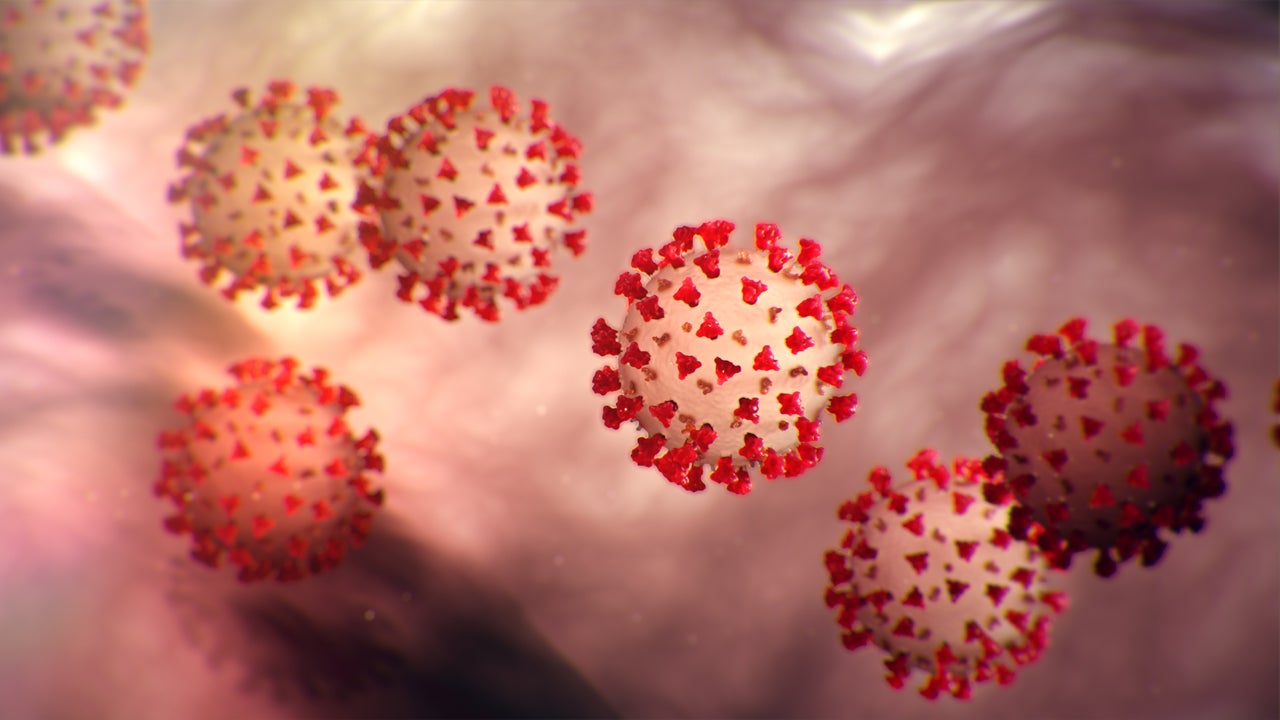
The JN.1 variant, which has been spreading in America and China since September this year, is being said to be more dangerous than the previously found variant. This variant is formed after a mutation in the BA.2.86 variant and Pirola's spike protein. Let us tell you that the spike protein is a part of the virus, which attacks human cells. In this new variant, the ability to dodge the immune system is more than the previously found variant.


These symptoms are seen when infected with the JN.1 variant, warned the former WHO scientist

JN.1 Variant Signs and Symptoms: The JN.1 variant is composed of the BA.2.86 variant and a mutation in Pirola's spike protein.


JN.1 Variant Signs And Symptoms: For the past 3 years, the corona virus epidemic has been a headache for the whole world. In the past few days, the new variant of Corona JN.1 is spreading rapidly all over the world. The World Health Organization (WHO) has called the new JN.1 variant of Corona a 'variant of interest'. Cases of JN.1 variant are also increasing in India. Earlier, the JN.1 variant was confirmed in China, Singapore and the US. The symptoms seen in patients infected with this new JN.1 variant of Corona are not recognized at the beginning. This is the reason why patients can be identified after some time after being infected. Experts believe that the infection capacity of this variant is much higher than the previously found variant and if its infection is not controlled, it can infect many people. Let us know in detail in this article the symptoms and prevention of the new JN.1 variant of Corona.


Symptoms and signs of JN.1 variants


The JN.1 variant, which has been spreading in America and China since September this year, is being said to be more dangerous than the previously found variant. This variant is formed after a mutation in the BA.2.86 variant and Pirola's spike protein. Let us tell you that the spike protein is a part of the virus, which attacks human cells. In this new variant, the ability to dodge the immune system is more than the previously found variant.


When infected with the JN.1 variant, the patient shows these symptoms-


High fever and headache

Symptoms of influenza illness

sore throat

Muscle pain

Physical weakness

runny nose

sore throat

Gastrointestinal problems

Fatigue and muscle weakness


Former scientist of WHO said this - Dr Soumya Swaminathan on The New Covid Variant

Soumya Swaminathan, the former chief scientist of the World Health Organization, said in a conversation with a TV channel that, "It would be a big mistake to think of Covid as a common cold. The risk of mental problems increases." He further said that India is now fully prepared to fight such an infection. In order to avoid infection, special attention should be paid to the immunity of children and the elderly, and masks should be worn in public places.


358 new cases have come in the last 24 hours - Latest Covid Cases in India

According to the data released by the Union Health Ministry, 358 new cases of Corona have been registered in India in the last 24 hours. 84 percent of these cases are from Kerala alone. 300 new cases of corona have been found in Kerala during the last 24 hours. Apart from this, 3 patients have died due to corona virus infection in the country in the last 24 hours, these three deaths are in Kerala. After the registration of new cases, the number of active patients of Kovid in the country has increased to 2,669.


Corona's new variant JN.1 has appeared, know how dangerous it is compared to other variants?

Recently a new variant of Corona JN.1 has come out. According to scientists, it can prove to be more contagious than other variants.


The case of Corona has not completely stopped yet, so new variants of Kovid are being seen. Recently, a new variant of Corona, JN.1, has come out, which has increased the concern of scientists. According to scientists, it is more contagious than other variants. Not only this, it can also be harmful to the immune system.


This variant is found in many countries

According to scientists, it has also been found in England, Iceland and France. This variant was first spotted in Luxembourg on 25 August 2023. However, the good thing is that not a single case of the JN.1 variant has been confirmed in India yet. According to scientists, it is different from JN.1, XBB.1.5 and HV.1 variants. This variant can also trick the immune system. So far 10 mutations have been observed in XBB.1.5 and HV.1. At the same time, 41 changes have been made in the JN.1 variant compared to the XBB.1.5.


Characteristics of the JN.1 variant

The symptoms of this variant may also be similar to the old variants of Kovid.

Exposure to this variant may cause body fatigue and breathing difficulties.

In this situation, along with muscle pain, headache can also occur.

In such a case, along with the problems related to the stomach, the problem of phlegm can also occur.

Exposure to this variant may cause problems with taste or smell.


How important it is to take the vaccine to avoid corona

According to health experts, it is very important to get vaccinated to avoid this variant of Corona. You can avoid damage to the immune system through the vaccine. Some time ago, the updated vaccines of Corona have also become available in India. After which the Center for Disease Control and Prevention (CDC) advised people to get a new booster dose vaccine to avoid corona infection.

Popular Posts