Why do people get old?

 Why do people get old?


Aging is a natural life process. But people hardly like to grow old. As people grow older, changes begin to occur in every activity. The eyes begin to weaken, the joints begin to weaken and the skin begins to thin.
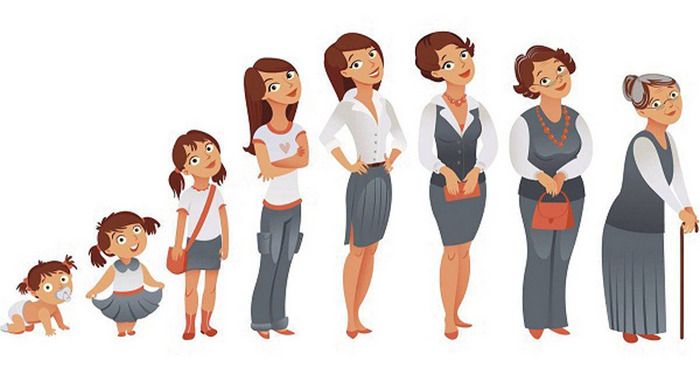


A person has to go through various conditions to grow old. Man reaches old age through childhood, youth, adulthood.


There are various reasons why people get old, one of the main reasons is changes in DNA. DNA is a type of genetic code that is transmitted between cells. With increasing age, the transmission of these genetic codes begins to be disturbed and gradually begins to accumulate in the cells. This process is called genetic instability and when the DNA affects the stem cells, aging begins to appear, said geneticist Dr. Neelam Thakur says.


Other causes of aging


Chromosomal aberrations


At the end of each DNA strand is a cap-like structure that protects the chromosomes. These are called telomeres. As we age, this cap-like structure begins to fall away and the protection of the chromosomes begins to loosen, Dr. Thakur says.


When there is a disturbance in the structure of telomeres, the risk of many diseases increases. This increases the risk of lung problems and anemia. Both of these are serious problems related to immunity, she says.


Changes in funding


There is a special process in our body called DNA expression. In which thousands of genes in the same cell decide what to do. But time and lifestyle can change these instructions. In this situation, the cells also start to behave differently from their normal behavior and due to which the symptoms of old age begin to appear. Thakur says.


Decreased ability to renew cells


The body has the ability to renew itself to prevent the accumulation of damaged components in our cells. But this ability gradually decreases with age. Thakur says.


In this case, the cells begin to accumulate useless or toxic proteins, which can sometimes lead to Alzheimer's disease. Sometimes due to this, the risk of Parkinson's and cataracts also increases,” she says.


Mitochondria stop working


Mitochondria provide energy to the body. But with time they start losing their ability. Thakur says that their weakness also has a negative effect on DNA and leads to old age.


These are the main principles of aging. But apart from that, there are various reasons why people reach old age, which are still being studied, Dr. Thakur says.


In a study published in the science journal Nature, it has been claimed that scientists were able to remove wrinkles in mice by restoring mitochondria.


Signs of aging


Slow movement, weak brain capacity, wrinkled skin etc. are the symptoms of old age. But due to wrong diet and lifestyle, some people are showing signs of old age before reaching their age.


Why do people get old before their age?


Dr. Vikas Poudel, Dermatology and Venereologist


Senescence is a natural process as you grow older. But some people look old before their age. Premature aging is considered to be due to human genetics, diet and environment.


Heredity: Heredity plays an important role in various processes related to our age. Some people are prone to premature aging due to genetics.


Bad diet: Due to the lack of a balanced diet, if the right nutritional elements cannot be taken, the cells of the body begin to decay prematurely, which accelerates the aging process.


Processed food: eating a lot of processed food and fast food has a lot of negative effects on the body. As it contains more trans fat, sugar and unhealthy oil, it damages the cells of the body.


Excessive intake of salt: Excessive consumption of salt can cause water retention in the body, which leads to high blood pressure and other health problems. There is rapid decay in the cells, which causes premature aging.


Excess intake of sugar: Sugar weakens proteins like collagen and elastin, which creates problems in skin reconstruction.


Deficiency of nutrients: Due to lack of proper amount of vitamins and minerals (such as zinc, selenium), the cells of the body become weak.


Lack of protein: Protein helps in rebuilding body cells. If there is a lack of protein in the daily diet, then aging comes faster.


Stress and mental health: Stress, anxiety and depression can make people look older than they are. Staying under stress for a long time is harmful to health, which increases physical and mental problems.


Smoking and other drugs: Smoking has a number of negative effects on the body, including lung problems and rapid cell degeneration. It can make people look old before they reach their age.


Lack of sleep: If you don't get enough sleep, the body's rebuilding process is interrupted, which increases stress and weakens the body. Adequate sleep refreshes the body and slows down the aging process.


Bad lifestyle: Unhealthy lifestyle also causes premature aging. Poor diet, lack of physical activity and unhealthy habits weaken the body and accelerates the aging process.


In this way, premature aging is the result of various reasons. To reduce it, it is very important to eat right, have a healthy lifestyle, get enough sleep and be stress-free.


Some interesting facts about aging


Height decreases with age. The space between the bones of the spine is a gap, which is called the vertebrae, with increasing age, the gap between the bones decreases and the distance between the bones decreases. As a result, the height seems to be reduced by an inch or two.


According to the United Nations, Japan is the country with the largest elderly population in the world. Japan is number one in the list of countries with the highest proportion of population aged 65 and above in the total population of the country.


How does the kidney work?

 How does the kidney work?


According to the famous medical journal "The Lancet", by the year 2019, around 700 million people worldwide are suffering from chronic kidney disease (CKD). It is estimated that more than 14 lakhs have lost their lives.


According to a national study based on Global Burden of Disease data (coordinated by Achyutaraj Pandey), 6-7 percent of the total population in Nepal are suffering from chronic kidney disease, while the death rate is two to three per million.


The kidney is an organ that filters out the excess water and impurities in the human body and sends them out of the body through urine. Each bean-shaped kidney is four to five inches long. In which there is a very small filter called nephron. Senior kidney disease expert Prof. This filter will send blood disorders and excess water out of the body. Dr. Divya Singh Shah says.


The kidney's job is to balance fluid levels in the body, filter waste and toxins from the blood, secrete hormones that control blood pressure, activate vitamin D to maintain healthy bones, and produce hormones (which direct the production of red blood cells).


Consultant Urologist Dr. Anil Pukar Sah says, 'Kidney plays an important role in maintaining the balance of minerals (sodium, phosphorus, potassium) in the blood.'


Kidneys filter about 200 liters of blood in 24 hours. In addition to removing the disordered substances in the blood through this process, Dr. Dr. will balance the amount of water in the body by taking out excess water through urine. Shah says.


Structure of kidney


There are two kidneys in the body. Kidneys are located behind the abdomen on both sides of the spine.


In an adult, the kidney is about 10 cm long, 6 cm wide and 4 cm thick. Each kidney weighs about 150 to 170 grams.


What effect does drinking a little water have on the kidneys?


The function of the kidneys is to filter the toxins in the body and remove them with urine. As the process of removing more water from the body - diarrhea, vomiting and sweating, and drinking less water, the blood pressure in the body decreases.


"When the blood pressure drops, the heart cannot circulate blood to the kidneys in the required amount, which affects the work done by the kidneys. Because of this, kidney disease specialist Dr. Nishant Acharya says.


Drinking less water in such a situation increases the risk of accumulating toxins in the body. Which also affects kidney function. In addition, there is a risk of kidney stones, kidney infection and even kidney failure," he says. "Therefore, to keep the kidneys healthy, you should drink three to four liters of water every day."


How does drinking a lot of water affect the kidneys?


As it is said, "If you eat too much of a pill, it will be bitter", Dr. Dr. Acharya says.


If you have to drink three to four liters of water daily, drinking four and a half liters or five liters of water will not have much effect. But drinking a lot of water on a daily basis puts a burden on the kidneys and can cause problems in the kidneys, he says.


A person who already has kidney problems has a reduced ability of the kidneys to filter water. Therefore, such patients should drink less water. Such people should drink water according to the doctor's advice.


Many organs of our body are active 24 hours a day, including the kidneys. Dr. The kidneys are doing their work even while sleeping at night. Acharya says.


Kidney is a careful organ. It can do what the body needs and doesn't need in a natural way," he says. "If someone goes without drinking water for a day, fasts, the kidneys manage the water that the body needs from other parts of the body."


Other causes of kidney problems


Kidney problems can happen to anyone, but people with diabetes, high blood pressure, obesity and those who regularly take pain relievers are at higher risk. Similarly, if someone in the family has a kidney problem, other family members are also likely to have it. Senior nephrologist Prof. Dr. Singh says.


Symptoms of kidney failure


Pvt. Dr. Singh says, 'When you wake up in the morning, swelling of the eyelids, swelling of the ankles, body swelling, sudden weight gain, anemia, laziness, feeling tired, shortness of breath even after walking a little are the symptoms of kidney failure.'


There are also problems like bone pain, frequent urination, not much foam coming out when passing urine, and the color of urine is like tea.


Some kidney problems may not show any symptoms. But sometimes stomach ache, burning urine, fever may occur. If such a problem repeats, it may be a kidney problem," said Dr. Singh says.


What is the treatment for kidney failure?


After kidney failure, you should first go to the hospital and undergo tests to find out which stage it is. In Nepal, most of the people with chronic kidney problems go to the doctor only as a last resort.


There are five stages of kidney failure. The fifth stage is the last stage. Patients up to the fourth stage are cured by taking medicine. If it is in the first stage, it will not go to the second, if it is in the second, it will not go to the third. But medicine should be taken regularly.


But if the patient has reached the last i.e. fifth stage, dialysis and kidney transplant are the only options.


Also read this

What are the symptoms of kidney failure?

10 Interesting Facts About Kidneys


- An adult's kidney weighs 142 grams. It is equal to a human fist.


- The largest kidney stone found so far is 1.1 kg.


- The right kidney is just below the liver and it is the largest human internal organ. The left kidney is smaller than the right one.


- There are 1.1 million cells in the kidney. These are called nephrons. If they are connected and made like a rope, it will be eight kilometers long.


- Kidney cleans the blood 400 times a day.


- If the blood pressure in the human body is low, the kidneys give a message to constrict the blood vessels.


- Kidney cleans 1.3 liters of blood every minute.


- The biggest cause of stones is not drinking enough water.


- 25 percent of the total blood in the body goes from the heart to the kidneys.


- During a kidney transplant, the new kidney is placed inside the pelvis. It is not necessary to remove the old kidney.

Popular Posts