7 myths and facts about IVF

 7 myths and facts about IVF


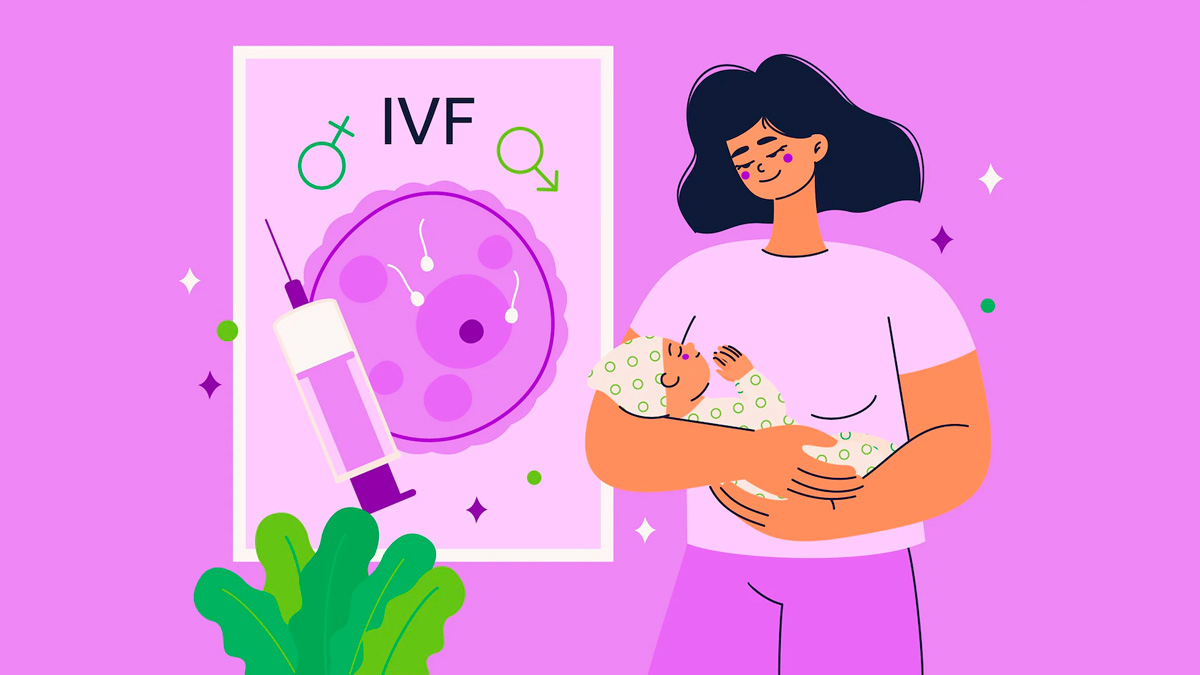
In Vitro Fertilization (IVF) technology developed by medical science is a boon for couples who cannot conceive naturally. Many couples have achieved child happiness through this technique.


But some misconceptions related to IVF are prevalent in the society. India-based Birla Fertility and IVF consultant Dr. Swati Mishra has tried to tear it down.


Myth 1: IVF results in more babies


Fact: According to international practice, the probability of multiple pregnancy in IVF is 20 percent. If you don't get pregnant the first time after IVF, this complication increases. If the woman is older or if IVF is repeatedly failing, more than one embryo is transferred. In this way, multiple babies are likely to be born when the transferred embryos are in all the wombs.


Suzuki Dashain Offer


Myth 2: IVF carries a risk of cancer


Fact: No study or medical research has established any link between cancer and IVF. Men or women can undergo IVF (fertility treatment) without any risk of cancer. In this process, the child in the womb is at risk of cancer, nor is the risk of cancer even after the child grows up.


Myth 3: IVF is a painful procedure


Fact: Pain, suffering and problems are more common in IVF than in natural. For the first few days, women have to take hormone injections daily, so it may be painful, but now with the development of medicine, it has become easier.


Myth 4: Babies born through IVF are at risk of birth defects


Fact: The IVF procedure does not increase the risk of birth defects. Conversely, pre-implantation genetic testing of embryos rules out congenital defects or chromosomal defects in high-risk cases. This includes women over 35 years of age or men over 50 years of age or family history of genetic disorders.


Embryo 5: If the first IVF fails, all future possibilities are lost


Fact: If a couple's first IVF fails for some reason, it does not mean that the woman will not be able to get pregnant in the future. Rather, by understanding why this happened, treatment can be done to make IVF successful in the future. Similarly, there are many women who have conceived only after IVF four to five times. For this, laser assisted hatching or platelet rich plasma is kept in the uterus and a balanced diet rich in antioxidants is given.


Fetus 6 : IVF causes many complications during pregnancy


Fact: The best age for pregnancy for women is less than 33 years. After the age of 37, it decreases. During pregnancy, the risk increases for both the mother and the child. But in the process of IVF, complications due to age do not come much. However, if a patient suffering from infertility receives IVF treatment at the right time, the chances of getting pregnant are high.


Embryo 7 : IVF can completely solve the problem of infertility


Fact: This is not true. The success rate of IVF in couples under the age of 35 is about 40 percent. Also, its success depends on many factors. Such as the age of the woman, the cause of infertility and the hormonal status of the woman. In addition, there are many types of assisted reproductive procedures, including ovulation induction (OI) drugs, intrauterine insemination (IVF), etc. It also helps in conception.


Adapted from Femina Magazine

Why are there more urinary tract infections in women?

 Why are there more urinary tract infections in women?


According to a study, about one and a half million people in America suffer from urinary problems every year. Around one and a half million people worldwide are treated for it every year.


Bladder swelling is called 'cystitis' in medical language. It is called Urinary Tract Infection or UTI, which in most cases is caused by bacterial infection. This happens when the bladder (urethra) and its pipe (tract) become infected.


UTI is a common disease. It can affect people of any age, from newborns to the elderly. The study concluded that UTI is more common in women than in men. In women, the probability of infection is 60 percent, while in men, it is only 13 percent.


A housewife said that she could not pay attention to her health due to housework. Because of this, she says that she has been facing the problem of burning urine frequently. She said that after taking the medicine, she seemed to be cured for about a month and then relapsed again. After doing yoga and pranayama, he has experienced relief.


Suzuki Dashain Offer


The 37-year-old teacher said that she has been suffering from burning urine frequently. She narrates that she had to face such problems due to the lack of good toilet facilities in the school and the lack of an environment to pay attention to cleanliness. At that time, she said that she had a little stomach ache at first and then it started to hurt a lot. It is his experience that he got relief after taking a half holiday from school and getting checked and taking antibiotics.


Reasons why UTIs are more common in women


Bacterial infection in the urinary tract or bladder causes UTI. It can happen to both men and women.


According to Tanuj Lawania, senior registered doctor of Sharda Medical College Greater Noida, it is more likely to develop cystitis in women than in men. A woman's urethra is smaller than a man's. About 20 cm, Dr. Lavania says, 'When a woman is infected with bacteria, there is a greater chance that the bacteria will enter through the bladder. Therefore, 10 percent of women have at least one sinusitis. Most of them are recurring problems.


"If a UTI is left untreated, the infection can spread to the kidneys," says Jennifer Rohn, head of the Center for Urological Biology at University College London. UTIs are usually e. It is caused by an infection with coli bacteria, although many other bacteria can also cause the infection.


Symptoms of a UTI


Dr. According to Tanuj, women can have many symptoms. Frequent urination, burning sensation or pain while urinating, feeling of burning on the skin of the vulva while urinating, blood in the urine, if these symptoms are ignored for a long time, women may have high fever symptoms.


What does the doctor test?


Dr. Tanuj says, 'In such a clinical inquiry, if there is a suspicion of UTI, we initially make the woman undergo a urine test. In which urine microscopy and culture tests are performed.


In which the cause of the infection is seen through a routine microscope. It is known whether it is caused by bacteria or fungus. While through culture it is known which bacteria it is from so that the medicine related to it can be given.


Dr. Tanuj Lawania

Other causes of infection in women


Dr. Tanuj adds, "Though UTI can be seen in all age groups, it is more common in married women. Similarly, women who drink less water and urinate for a long time are more at risk. Because it gives a chance for bacteria to accumulate. Besides, those who use more jet sprays, use chemicals for cleaning, don't change undergarments frequently, and those who don't take full care of cleanliness may be more likely.


The risk of UTI infection is higher in pregnant women and women with diabetes. It can also happen after menopause because the number of friendly bacteria in the vagina decreases.


If you have frequent UTI infections


Dr. Tanuj says, "In case of repeated UTI infection, ultrasound examination of women is done. In this, the kidney and the kidney tube (ureter) are checked to see if they are okay. If there are stones in kidney or bladder, urine infection also occurs.


What problems does UTI cause in the elderly?


Around one and a half million people in the world get UTI infection every year. Most of them are old men. "After increasing age, there are common symptoms such as burning while urinating, fever, pain in the lower back, smell of urine," said Dr. Tanuj says, 'If the size of the prostate gland in men increases, it puts pressure on the urinary bladder. It reduces the flow of urine. Because of this, they are likely to get UTI.


She says that UTIs in men are more serious than in women. In this case, you may need to be admitted to the hospital. If such symptoms are observed, the medicine should be taken only after checking with the doctor. She says that medicine should not be taken without a doctor's advice.


What to do to prevent UTI?


To prevent UTI infection, pay attention to diet, take measures to strengthen immunity, do not use antibiotics without the advice of a doctor, drink plenty of water, drink at least two to three liters of water daily.


Likewise, use a condom during sexual intercourse, if there is no condition to use a condom, a woman should urinate immediately after sexual intercourse and wash her genitals with water. The toilet pan should be cleaned with water before using the public toilet. 

Popular Posts