Sociology of Gender

 Sociology of Gender


## Sociology of Gender


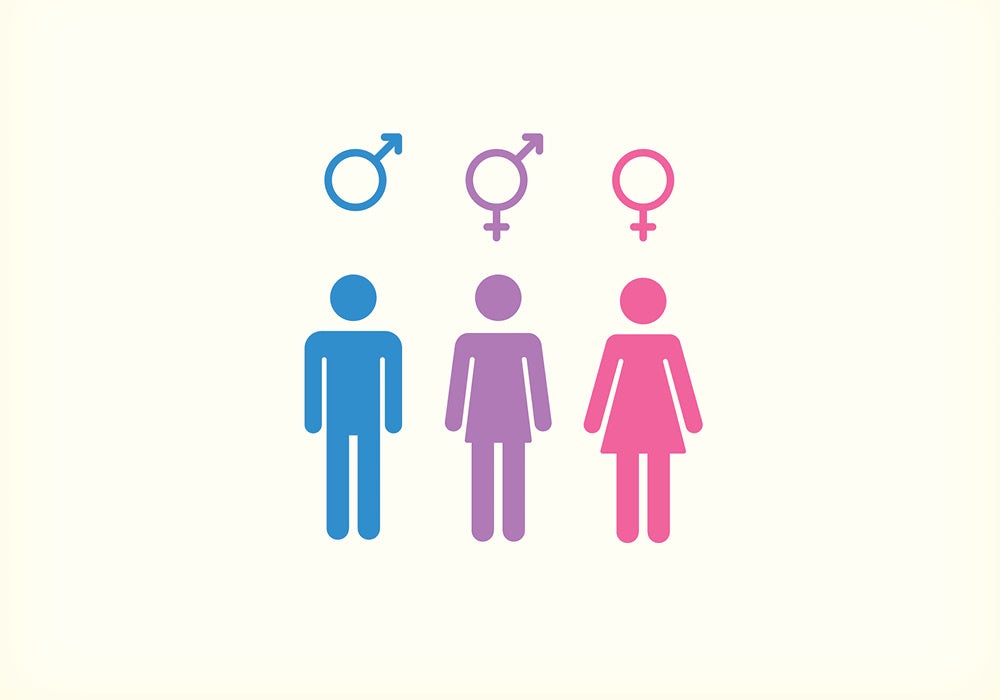
The sociology of gender is a field that examines how gender identities and roles are constructed, maintained, and challenged within social contexts. It explores the complex interplay between gender, power, culture, and social structures, focusing on the ways in which gender shapes experiences and opportunities in various spheres of life, including work, education, family, and politics.


****Historical Context and Development


The study of gender in sociology has evolved significantly over the past century. Early sociological research often conflated sex (biological differences) with gender (socially constructed roles), leading to a limited understanding of how these concepts interact. However, as feminist movements gained momentum in the 1960s and 1970s, scholars began to differentiate between sex and gender, recognizing that gender is a social construct influenced by cultural norms and power dynamics.


Research published in *Social Forces* over the last hundred years illustrates this shift. Initially focused on biological determinism, scholarship has increasingly adopted a structural perspective that considers how gender operates across multiple levels—individual, institutional, and societal. This transition has allowed for a more nuanced understanding of how gender intersects with other forms of social stratification such as race, class, and sexuality[1].


****Theoretical Perspectives


Sociologists employ various theoretical frameworks to analyze gender:


- **Functionalism**: This perspective views society as a complex system whose parts work together to promote stability. Functionalists argue that traditional gender roles serve a purpose in maintaining social order. For example, they suggest that men’s roles as breadwinners and women’s roles as caregivers are functional for family stability.


- **Conflict Theory**: Conflict theorists emphasize the power struggles between different groups within society. They argue that gender inequality arises from the dominance of men over women in patriarchal societies. This perspective highlights how economic systems exploit women's labor and perpetuate gender disparities.


- **Symbolic Interactionism**: This micro-level approach focuses on daily interactions and the meanings individuals attach to gender roles. It examines how societal norms shape individual behavior and identity. For instance, it explores how language and symbols reinforce traditional notions of masculinity and femininity[3][7].


Each of these perspectives contributes to a comprehensive understanding of how gender operates within society.


****Intersectionality


A critical development in the sociology of gender is the concept of intersectionality, which recognizes that individuals experience multiple identities simultaneously (e.g., race, class, sexuality) that intersect to create unique experiences of oppression or privilege. This framework encourages researchers to consider how various social categories interact to shape individuals' experiences and access to resources[4].


For instance, Black women may face different challenges than white women due to the compounded effects of racism and sexism. Intersectional analysis has expanded the scope of gender studies by highlighting the importance of context in understanding inequality.


****Gender in Education


The sociology of gender also critically examines educational institutions as sites where gender norms are reinforced or challenged. Research indicates that educational settings often perpetuate traditional gender roles through curricula, teacher-student interactions, and school culture. For example, studies have shown that boys are often encouraged to pursue STEM fields while girls may be steered toward humanities[4].


Moreover, issues such as bullying based on non-conformity to traditional gender roles can lead to significant disparities in educational outcomes for LGBTQ+ students. The field advocates for inclusive practices that recognize diverse identities and promote equity within educational settings.


****Contemporary Issues


In recent years, the sociology of gender has expanded its focus to include contemporary issues such as:


- **Transgender Rights**: Increasing recognition of transgender individuals has prompted sociologists to explore how societal norms around gender binary are being challenged. Research highlights the discrimination faced by transgender individuals in various domains including healthcare, employment, and legal rights.


- **Workplace Inequality**: Despite progress toward equality, women continue to face significant barriers in the workplace, including wage gaps and underrepresentation in leadership positions. Sociologists analyze these disparities through lenses such as organizational culture and labor market dynamics[6].


- **Global Perspectives**: The global dimension of gender studies examines how cultural differences shape experiences of gender inequality around the world. Issues such as reproductive rights, violence against women, and access to education are critical areas of focus for sociologists studying gender on a global scale[8].


In summary, the sociology of gender is a dynamic field that encompasses a wide range of issues related to identity, power dynamics, and social structures. It continues to evolve as new challenges emerge in society regarding equality and representation across different genders. Through various theoretical lenses and intersectional approaches, sociologists aim to understand and address the complexities surrounding gender in contemporary life.


Citations:

[1] https://www.ncbi.nlm.nih.gov/pmc/articles/PMC10100580/

[2] https://www.isa-sociology.org/en/publications/isa-journals/current-sociology/sociologist-of-the-month/sotm-january-2024

[3] https://socialsci.libretexts.org/Courses/Lumen_Learning/Introduction_to_Sociology_%28Lumen%29/12:_Module_9-_Gender_Sex_and_Sexuality/12.08:_Introduction_to_Theories_of_Gender_and_Sex

[4] https://oxfordre.com/education/abstract/10.1093/acrefore/9780190264093.001.0001/acrefore-9780190264093-e-72

[5] https://www.cambridge.org/core/books/abs/cambridge-handbook-of-sociology/sociology-of-gender/88ABEF51AEDFC9BFE47231BFADCA758E

[6] https://journals.sagepub.com/home/GAS

[7] https://courses.lumenlearning.com/wm-introductiontosociology/chapter/theoretical-perspectives-on-gender/

[8] https://www.weforum.org/publications/global-gender-gap-report-2023/

Gender Based Violence (GBV) and Policy Response (Nepal)

 Gender Based Violence (GBV) and Policy Response (Nepal) 


Unit VI: Gender Based Violence (GBV) and Policy Response (Nepal) 

• Sociological approach to understand violence against women

• GBV in Nepal

• Policy response


Required readings

Toffanin, Angela Maria (2012) "Research on violence against women: a sociological perspective,"

Interdisciplinary Journal of Family Studies, vol. 17(1), pp. 15-30.

OPM and CoM (2012) A Study on Gender-Based Violence Conducted in Selected Rural Districts of

Nepal, Executive Summary, Kathmandu: Office of the Prime Minister and Council of Ministers,

pp. VI-XXI.

Saathi, The Asia Foundation, and DFID (2010) Nepal: Preliminary Mapping of Gender Based Violence,

Kathmandu: Saathi, pp. 1-21.


Policy response

Nepal Law Commission (2009) Domestic Violence (Offence and Punishment) Act, 2066 (2009),

Kathmandu.

Nepal Law Commission (2007) Human Trafficking and Transportation (Control) Act, 2064

(2007), Kathmandu.

OPM and CoM (2012), Ending Gender Based Violence and Gender Empowerment: National Strategy

and Action Plan, 2012, Kathmandu: Office of the Prime Minister and Council of Ministers (text in

Nepali).


Additional reading

MoHP, New ERA, and ICF International Inc. (2012) Nepal Demographic and Health Survey 2011.

Kathmandu, Nepal: Ministry of Health and Population, New ERA, and ICF International,

Calverton, Maryland, Chapter 14.


### Unit VI: **Gender-Based Violence (GBV) and Policy Response (Nepal)**


This unit focuses on the sociological understanding of violence against women, the specific situation of GBV in Nepal, and the policy measures taken to address it. Understanding GBV through a sociological lens helps identify the structural and cultural factors that perpetuate such violence.


#### 1. **Sociological Approach to Understanding Violence Against Women**

   - **Violence against women** is a sociological issue rooted in power dynamics, gender inequality, and patriarchal norms. Sociological perspectives help us see how social structures, cultural norms, and institutional practices condone or challenge GBV.

   - **Angela Maria Toffanin** (2012) emphasizes that violence against women is often normalized through cultural and social practices that reinforce male dominance and female subordination. This violence manifests in various forms, including physical, sexual, psychological, and economic abuse, and it intersects with other social categories such as class, caste, ethnicity, and geography.

   - A sociological approach looks at how violence is sustained not just at the interpersonal level but through larger societal forces, including media, legal systems, and economic policies, which may perpetuate gender inequalities.


#### 2. **GBV in Nepal**

   - In Nepal, **Gender-Based Violence** is a pervasive issue, deeply rooted in traditional norms and values that favor male dominance. Women in Nepal face various forms of violence, such as domestic violence, sexual harassment, trafficking, and dowry-related violence.

   - The **Office of the Prime Minister and Council of Ministers' (OPM and CoM) 2012 report** on GBV in rural districts highlights that GBV is often underreported, especially in rural areas, due to fear, shame, and lack of access to justice. It identifies factors such as poverty, lack of education, and social isolation as exacerbating the issue of GBV.

   - **Saathi, The Asia Foundation, and DFID’s (2010) report** provides a preliminary mapping of GBV in Nepal, identifying critical gaps in the legal and social support systems for victims. It points out the importance of community-based interventions and the role of civil society in raising awareness and providing support services.


#### 3. **Policy Response**

   - Nepal has implemented several legislative and policy frameworks aimed at curbing GBV:

     - **The Domestic Violence (Offence and Punishment) Act, 2066 (2009)** provides legal recourse for victims of domestic violence and criminalizes acts of violence within households. This law aims to protect women and children from domestic abuse, although enforcement remains a challenge.

     - **The Human Trafficking and Transportation (Control) Act, 2064 (2007)** addresses the growing issue of human trafficking, particularly women and children trafficked for labor and sexual exploitation. The law outlines severe penalties for traffickers but faces limitations in terms of implementation, especially in rural areas.

     - The **National Strategy and Action Plan (2012)** outlines the government’s strategy for addressing GBV. It emphasizes gender empowerment and seeks to involve multiple stakeholders, including governmental bodies, civil society, and international organizations, to ensure a coordinated response to GBV.


   - Despite these legislative measures, the challenge lies in effective enforcement, particularly in rural areas where traditional patriarchal attitudes are deeply entrenched. Awareness programs, capacity-building for law enforcement, and the establishment of support systems like shelters and hotlines for victims are crucial to making these policies effective.


#### **Additional Reading**

   - The **Nepal Demographic and Health Survey 2011** (Chapter 14) provides statistical insights into the prevalence of GBV in Nepal. It highlights the high rates of domestic violence, sexual violence, and child marriage, underscoring the need for more robust policy interventions and community awareness programs.


---


### Key Takeaways:

- **Sociological Perspectives on GBV**: Gender-based violence is not an isolated act of individual pathology but a social issue shaped by broader cultural, structural, and institutional forces. Understanding these forces is key to addressing GBV effectively.

- **GBV in Nepal**: The problem of GBV in Nepal is widespread, with rural women being particularly vulnerable due to traditional gender norms, poverty, and lack of education. Reports and studies underscore the need for comprehensive interventions.

- **Policy Response**: Nepal has taken legislative steps to address GBV, but gaps in enforcement, cultural resistance, and lack of resources remain major hurdles. The success of these laws depends on improving legal literacy, access to justice, and support for survivors.


This unit helps students critically analyze the social dimensions of GBV and evaluate the effectiveness of policy responses, particularly in the Nepalese context.


Here are 10 potential exam questions covering key topics from the **Sociology of Gender** course. These questions address important conceptual, theoretical, and practical issues related to gender and feminist theory, particularly in the context of Nepal.


### 1. **Social Construction of Gender**

   - How do sociologists differentiate between sex and gender, and how is gender socially constructed in everyday life?

   - Discuss Judith Lorber’s concept of “doing gender” and how it relates to gender as a routine accomplishment in social interactions.

   - Explain the gender division of labor and how it reflects the social construction of sex roles in society.


### 2. **Feminist Theories**

   - Critically analyze Simone de Beauvoir’s contribution to **Liberal Feminism** with reference to her work *The Second Sex*. How does she explain women’s subordination through the notion of "the other"?

   - Examine Maria Mies’ **Socialist Feminism** and her argument on the social origins of the sexual division of labor. How does this perspective challenge capitalist patriarchy?

   - Discuss the central themes of **Third-wave Feminism** as articulated by Chandra Talpade Mohanty in “Under Western Eyes Revisited.” How does Mohanty critique Western feminist approaches to global struggles?

   - How does **Radical Feminism** explain women’s subordination through the lens of sexual politics? Refer to Kate Millett’s *Sexual Politics* in your response.


### 3. **Patriarchy and Beyond**

   - Compare and contrast the different feminist interpretations of patriarchy. How do Marxist, Radical, and Socialist feminists conceptualize patriarchy differently?

   - Drawing on Deniz Kandiyoti’s concept of "bargaining with patriarchy," explain how women negotiate their roles and rights within patriarchal structures in everyday life, especially in the context of household dynamics.


### 4. **Sociological Debate on Power and Empowerment**

   - How do Pierre Bourdieu, Michel Foucault, and Jean Baudrillard conceptualize power? Discuss the relevance of their theories to understanding gendered power dynamics.

   - Critically assess feminist interpretations of power, focusing on the notion of empowerment. How does Srilatha Batliwala’s critique of empowerment challenge traditional development frameworks?


### 5. **Gender-Based Violence and Policy Response (Nepal)**

   - Discuss the sociological approach to understanding violence against women, focusing on structural and cultural explanations. What are the main drivers of GBV in Nepal, according to recent studies?

   - Evaluate the effectiveness of Nepal’s policy responses to gender-based violence, such as the Domestic Violence Act (2009) and the Human Trafficking Act (2007). What challenges remain in implementing these policies at the local level?


These questions should help you engage critically with the course content and prepare for your upcoming Sociology of Gender examination.


Here are 10 comprehensive questions based on the **Sociology of Gender** course content. These questions are designed to help you prepare for your Master's examination:


### 1. **Social Construction of Gender**

   - How is gender socially constructed, and in what ways does it differ from biological sex? Draw on the work of William Little, Ron McGivern, and Judith Lorber in your response.


### 2. **Gender as Routine Accomplishment**

   - Critically analyze West and Zimmerman’s concept of “doing gender.” How does this theory explain the role of everyday interactions in reinforcing gender roles?


### 3. **Gender Division of Labour**

   - Explain the historical and sociological reasons behind the gender division of labor. How do sex roles contribute to this division, and what are its implications for gender inequality?


### 4. **Liberal and Socialist Feminism**

   - Compare and contrast **Liberal Feminism** (as represented by Simone de Beauvoir) and **Socialist Feminism** (as represented by Maria Mies). How do these perspectives explain women’s subordination and their paths to liberation?


### 5. **Third-Wave and Radical Feminism**

   - How does **Third-Wave Feminism**, as explained by Chandra Talpade Mohanty, differ from earlier waves of feminism? Additionally, discuss **Radical Feminism** with reference to Kate Millett’s theory of sexual politics.


### 6. **Capitalist Patriarchy**

   - Discuss Zillah Eisenstein’s theory of **capitalist patriarchy**. How does the intersection of capitalism and patriarchy affect gender relations in both the workplace and the home?


### 7. **Bargaining with Patriarchy**

   - Explain Deniz Kandiyoti’s concept of **bargaining with patriarchy**. How do women navigate and negotiate their rights within patriarchal structures, especially in developing countries like Nepal?


### 8. **Power and Empowerment**

   - Compare the sociological theories of power as conceptualized by Pierre Bourdieu, Michel Foucault, and Jean Baudrillard. How do these theories apply to gender relations and feminist debates on power and empowerment?


### 9. **Feminist Methodology**

   - What are the key critiques feminist scholars have of positivism, and how do these critiques inform the development of **feminist methodology**? Discuss the importance of reflexivity and social change in feminist research.


### 10. **Gender-Based Violence and Policy Response in Nepal**

   - Provide an analysis of the sociological approach to understanding **gender-based violence (GBV)** in Nepal. How effective are Nepal’s legal and policy frameworks, such as the **Domestic Violence (Offence and Punishment) Act, 2009**, in addressing GBV? What challenges remain in enforcement?


These questions encompass major themes from the course, ensuring a broad coverage of topics for your exam preparation.


Popular Posts