Critiques of the World-System Perspective

 Critiques of the World-System Perspective


5. Critiques of the World-System Perspective


Question: Critically evaluate Theda Skocpol’s critique of Wallerstein’s world capitalist system. What are the theoretical and historical limitations of world-systems analysis?

Relevant Readings: Theda Skocpol, “Wallerstein’s World Capitalist System: A Theoretical and Historical Critique.”
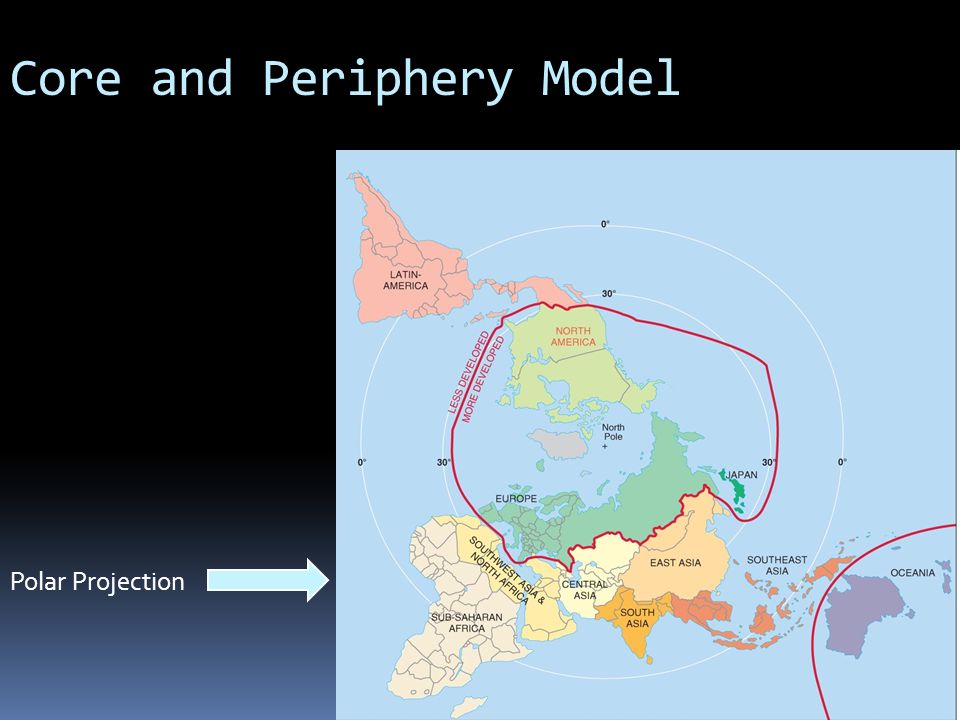


Theda Skocpol’s critique of Immanuel Wallerstein’s world-systems analysis provides a significant examination of the theoretical and historical limitations of Wallerstein’s perspective on global capitalism. In her article, “Wallerstein’s World Capitalist System: A Theoretical and Historical Critique,” Skocpol identifies several key areas where she believes Wallerstein's framework falls short, particularly in its explanatory power and its treatment of historical processes.


## Theoretical Limitations


### 1. **Reductionism**


Skocpol argues that Wallerstein’s world-systems analysis tends to reduce complex social and historical phenomena to overly simplistic economic frameworks. She critiques the model for:


- **Overemphasis on Economic Determinism**: Wallerstein’s focus on economic structures and the capitalist world-system often neglects the role of political and social factors. Skocpol contends that this economic determinism overlooks how state actions, social movements, and cultural factors shape historical outcomes.


- **Neglect of Internal Dynamics**: Skocpol suggests that Wallerstein’s analysis does not adequately account for the internal dynamics of states and societies. By focusing primarily on external economic relations, Wallerstein's model fails to consider how domestic political structures and social relations influence a country's position within the world-system.


### 2. **Causality and Historical Specificity**


Skocpol critiques Wallerstein’s approach to causality and historical specificity:


- **A Posteriori Reasoning**: She points out that Wallerstein’s historical arguments often rely on a posteriori reasoning, meaning that they are constructed after the fact rather than being predictive or based on rigorous causal analysis. This can lead to a lack of clarity about the mechanisms driving historical change.


- **Inability to Address Deviant Cases**: Skocpol notes that Wallerstein’s framework struggles to explain deviant historical cases that do not fit neatly into his model. This lack of flexibility raises questions about the robustness and applicability of the world-systems analysis to diverse historical contexts.


## Historical Limitations


### 1. **Eurocentrism and Colonial Narratives**


Skocpol argues that Wallerstein’s world-systems theory is rooted in Eurocentric perspectives that may not fully capture the complexities of non-Western societies:


- **Reinforcement of Colonial Narratives**: By framing the world in terms of core and peripheral countries, Wallerstein may inadvertently perpetuate colonial narratives that depict non-Western societies as passive recipients of Western influence rather than as active agents in their own historical development.


- **Insufficient Attention to Local Contexts**: Skocpol emphasizes the importance of understanding local histories and contexts that shape the experiences of countries in the global south. She argues that Wallerstein's framework often overlooks the unique trajectories of these societies, reducing them to mere components of a global system.


### 2. **Static Categories**


Skocpol critiques the static nature of Wallerstein's classifications of countries into core, semi-periphery, and periphery:


- **Dynamic Changes Over Time**: The categories used in world-systems analysis can become rigid, failing to account for the fluidity and dynamism of global economic relations. Countries can shift between categories, and the model does not adequately address the processes that facilitate these changes.


- **Inadequate Framework for Globalization**: As globalization has accelerated, the rigid categories of Wallerstein’s model may not effectively capture the complexities of contemporary economic relationships. Skocpol argues for a more nuanced understanding of how globalization reshapes power dynamics and alters the positions of states within the world-system.


## Conclusion


Theda Skocpol’s critique of Wallerstein’s world-systems analysis highlights significant theoretical and historical limitations within the framework. By emphasizing reductionism, a lack of causal clarity, Eurocentrism, and static classifications, Skocpol calls for a more nuanced and flexible approach to understanding global capitalism. Her critique suggests that while Wallerstein’s world-systems theory offers valuable insights into the dynamics of global economic relations, it must be supplemented with a broader consideration of political, social, and cultural factors to fully grasp the complexities of the modern world-system.


Citations:

[1] https://www.journals.uchicago.edu/doi/abs/10.1086/226431

[2] https://longnow.org/ideas/understanding-the-modern-world-system-over-the-longue-duree/

[3] https://en.wikipedia.org/wiki/World-systems_theory

[4] https://library.fes.de/libalt/journals/swetsfulltext/8357291.pdf

[5] https://www.proquest.com/docview/817309133

[6] https://study.com/learn/lesson/world-systems-theory-wallerstein.html


Crisis of the Modern World-System

 Crisis of the Modern World-System


4. Crisis of the Modern World-System


Question: What are the key factors contributing to the crisis of the modern world-system, as described by Wallerstein? How do bifurcation, chaos, and choices shape the future of global capitalism?

Relevant Readings: Wallerstein, Chapter 5 of World-Systems Analysis; Frank Elwell, “Wallerstein’s Crisis of Capitalism”; Christopher Chase-Dunn, “Five Linked Crises in the Contemporary World System.”


Immanuel Wallerstein’s analysis of the modern world-system reveals a complex interplay of economic, social, and political factors that contribute to its ongoing crisis. In his work, particularly in Chapter 5 of *World-Systems Analysis*, Wallerstein identifies several key elements that characterize this crisis, including bifurcation, chaos, and the choices that societies face as they navigate these turbulent dynamics.


## Key Factors Contributing to the Crisis of the Modern World-System


### 1. **Structural Crisis**


Wallerstein posits that the modern world-system is experiencing a *structural crisis*, which he defines as a fundamental breakdown of the existing economic and political order. This crisis is not merely a cyclical downturn but a deep-seated transformation that challenges the very foundations of global capitalism. Key aspects include:


- **Economic Instability**: The capitalist economy has become increasingly unstable, marked by recurrent financial crises, rising inequality, and the inability to sustain growth. This instability is exacerbated by the interdependence of global markets, where economic shocks in one region can have widespread repercussions.


- **Environmental Challenges**: The capitalist system's relentless pursuit of growth has led to significant environmental degradation, contributing to climate change and resource depletion. These ecological crises pose existential threats to both human societies and the planet.


### 2. **Bifurcation**


Wallerstein introduces the concept of *bifurcation* to describe the critical junctures at which societies must make significant choices about their futures. This bifurcation is characterized by:


- **Diverging Paths**: As the world-system faces crises, countries and regions are confronted with divergent paths. Some may choose to reinforce existing power structures and inequalities, while others may seek transformative changes that promote social justice and sustainability.


- **Polarization of Responses**: The choices made in response to the crisis can lead to polarization, where societies either embrace regressive policies that deepen inequalities or pursue progressive reforms aimed at addressing systemic issues. This polarization can manifest in political movements, social unrest, and ideological conflicts.


### 3. **Chaos**


Wallerstein describes the current state of the world-system as one of *chaos*, characterized by rapid and unpredictable fluctuations in various parameters, including economic conditions, political stability, and social cohesion. Key points include:


- **Loss of Equilibrium**: The traditional pressures that maintained equilibrium within the world-system have weakened. In a chaotic environment, small social movements can have outsized impacts, leading to significant political and social shifts, often referred to as the "butterfly effect."


- **Increased Uncertainty**: The chaotic nature of the current world-system creates uncertainty for individuals, communities, and nations. This uncertainty can lead to fear and anxiety, prompting reactions that may further destabilize the system.


## Choices Shaping the Future of Global Capitalism


### 1. **Progressive vs. Regressive Forces**


Wallerstein emphasizes that the future of global capitalism hinges on the choices made by various actors within the system. These choices can be categorized into two broad camps:


- **Progressive Forces**: These include movements advocating for social justice, environmental sustainability, and egalitarianism. Such forces seek to reshape the world-system in ways that prioritize human needs over profit, emphasizing cooperation and solidarity.


- **Regressive Forces**: In contrast, regressive forces aim to maintain or restore existing hierarchies and inequalities. This includes authoritarian regimes, nationalist movements, and corporate interests that resist change and seek to preserve the status quo.


### 2. **Potential for Systemic Change**


Wallerstein argues that the current crisis presents both dangers and opportunities. The choices made in response to the crisis can lead to:


- **Transformation of the World-System**: If progressive forces gain traction, it may lead to a reconfiguration of the world-system that prioritizes equity, sustainability, and democratic governance. This transformation could involve new economic models that challenge the dominance of capitalism.


- **Continuation of Inequality**: Conversely, if regressive forces prevail, the world may witness a consolidation of power among elites, leading to increased oppression and inequality. This scenario could result in heightened conflicts and social unrest as marginalized groups resist exploitation.


## Conclusion


Wallerstein’s analysis of the crisis of the modern world-system highlights the intricate interplay of structural factors, bifurcation, and chaos. The choices made by societies in response to these challenges will significantly shape the future of global capitalism. As the world navigates this crisis, the potential for both progressive transformation and regressive entrenchment remains, underscoring the critical importance of collective action and informed decision-making in determining the trajectory of the world-system.


Citations:

[1] https://www.journals.uchicago.edu/doi/abs/10.1086/226431

[2] https://jwsr.pitt.edu/ojs/jwsr/article/view/494

[3] https://longnow.org/ideas/understanding-the-modern-world-system-over-the-longue-duree/

[4] https://study.com/learn/lesson/world-systems-theory-wallerstein.html
[5] https://www.ucpress.edu/books/the-modern-world-system-i/paper

[6] https://jacobin.com/2023/12/immanuel-wallerstein-world-systems-theory-development-cycles-capitalism-crisis-history

[7] https://en.wikipedia.org/wiki/Immanuel_Wallerstein


Popular Posts