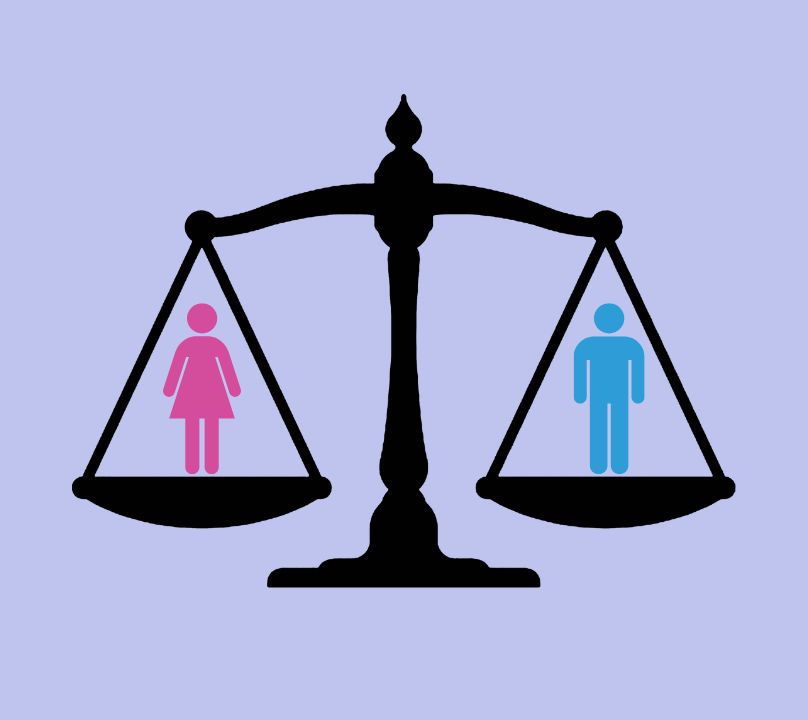
Feminist Interpretations of Power and Empowerment

 Feminist Interpretations of Power and Empowerment


Feminist interpretations of power, particularly concerning the notion of empowerment, have evolved significantly over time, reflecting diverse perspectives on how women can assert agency within patriarchal structures. Srilatha Batliwala's critique of empowerment challenges traditional development frameworks by questioning the underlying assumptions and practices that often accompany empowerment initiatives.



## Feminist Interpretations of Power and Empowerment


### 1. Traditional Views of Empowerment

Traditional development frameworks often define empowerment in terms of individual agency, focusing on providing women with resources, skills, and opportunities to improve their socio-economic status. This approach tends to emphasize measurable outcomes, such as increased income or educational attainment, as indicators of empowerment. 


### 2. Critique of Traditional Frameworks

Batliwala critiques these traditional views by arguing that they often overlook the structural inequalities and power dynamics that shape women's lives. She asserts that empowerment should not merely be about individual success but must also involve collective action and systemic change. 


### 3. Power as Relational

In feminist theory, power is often seen as relational rather than something that can be simply given or taken away. This perspective emphasizes that power dynamics are embedded in social relationships and institutions, which means that empowerment must involve challenging these structures rather than just enhancing individual capabilities.


## Srilatha Batliwala’s Critique of Empowerment


### 1. Redefining Empowerment

Batliwala argues for a redefinition of empowerment that encompasses not only individual agency but also the ability to influence and transform social structures. She emphasizes the importance of recognizing the interconnectedness of personal and political empowerment, advocating for a holistic approach that addresses both individual and collective dimensions.


### 2. Contextualizing Empowerment

Her critique highlights the need to contextualize empowerment initiatives within local cultural, social, and political contexts. Batliwala argues that many development programs fail to consider the unique challenges faced by women in different settings, leading to ineffective or superficial interventions.


### 3. Collective Action

Batliwala stresses the significance of collective action in achieving meaningful empowerment. She contends that empowering women requires fostering solidarity among them to challenge systemic inequalities collectively. This approach contrasts with traditional frameworks that often focus on individual success stories without addressing broader societal issues.


### 4. Structural Change

Batliwala's critique calls for a focus on structural change rather than merely enhancing women's capabilities within existing systems. She argues that true empowerment involves dismantling patriarchal structures and addressing the root causes of gender inequality, rather than simply integrating women into existing power dynamics.


## Relevance to Gendered Power Dynamics


Batliwala’s critique is particularly relevant for understanding gendered power dynamics in several ways:


- **Challenging Patriarchy**: By advocating for a deeper understanding of empowerment that includes collective action and structural change, Batliwala's framework encourages women to challenge patriarchal norms and institutions actively.


- **Intersectionality**: Her emphasis on context highlights the importance of intersectionality in feminist discourse, recognizing that women's experiences are shaped by various factors including race, class, and culture.


- **Empowerment Beyond Economics**: Batliwala’s perspective shifts the focus from economic empowerment alone to a broader understanding that includes social and political dimensions, thus enriching feminist analyses of power.


## Conclusion


Srilatha Batliwala's critique of empowerment challenges traditional development frameworks by advocating for a more nuanced understanding of power dynamics and the necessity for collective action in achieving gender equality. By emphasizing the importance of contextualization and structural change, her work provides valuable insights into how feminist interpretations of power can inform more effective strategies for empowering women within patriarchal societies. This approach not only seeks to enhance individual agency but also aims to transform the very structures that perpetuate inequality, making it a crucial contribution to feminist discourse on power and empowerment.


Citations:

[1] https://www.taylorfrancis.com/chapters/mono/10.4324/9780367817725-7/empowerment%E2%80%94a-conceptual-framework-das

[2] https://www.undp.org/publications/claiming-mdgs-empowerment-framework

[3] https://beamexchange.org/resources/794/

[4] https://www.linkedin.com/pulse/empowerment-framework-wendy-lambourne

[5] https://lac.unwomen.org/sites/default/files/Field%20Office%20Americas/Documentos/Publicaciones/2021/07/FRAMEWORK%20WOMENS%20ECONOMIC%20EMPOWERMENT%20MELYT_1Jul%20WEB.pdf

[6] https://encyclopedia.pub/entry/26926

[7] https://www.tandfonline.com/doi/full/10.1080/08985626.2018.1551792

[8] https://academic.oup.com/isagsq/article/4/1/ksae004/7618596

Structural Explanations of GBV

 Structural Explanations of GBV


The sociological approach to understanding violence against women (VAW), particularly gender-based violence (GBV), involves examining both structural and cultural explanations. In the context of Nepal, recent studies highlight various drivers of GBV, which are deeply rooted in societal norms, economic conditions, and power dynamics.


## Structural Explanations of GBV


### 1. **Patriarchal Structures**

Nepalese society is characterized by entrenched patriarchal norms that dictate gender roles and expectations. Men are often seen as the primary decision-makers and breadwinners, while women are relegated to subordinate roles within the household. This power imbalance creates an environment where violence against women is normalized and often justified.


### 2. **Economic Inequality**

Economic dependency plays a significant role in perpetuating GBV. Many women in Nepal lack financial independence, making it difficult for them to leave abusive relationships. The prevalence of informal employment, low wages, and limited access to resources further exacerbates women's vulnerability to violence. Studies indicate that economic stressors can lead to increased tensions within households, often resulting in domestic violence.


### 3. **Legal and Institutional Frameworks**

While Nepal has made strides in establishing legal protections against GBV through various laws (e.g., the Domestic Violence Act), enforcement remains weak. Institutions tasked with protecting women's rights often lack the necessary resources and training to respond effectively to GBV cases. For instance, the availability of One Stop Crisis Management Centers (OSCMCs) is limited, and many survivors face barriers in accessing justice due to stigma and fear of retribution.


## Cultural Explanations of GBV


### 1. **Social Norms and Gender Roles**

Cultural beliefs about masculinity and femininity significantly influence attitudes toward GBV. Rigid social norms dictate acceptable behaviors for men and women, often glorifying male aggression while portraying female submission as virtuous. The normalization of domestic violence as a means of asserting control over women is pervasive, with many individuals believing it is a private matter rather than a societal issue.


### 2. **Stigma and Silence**

The stigma surrounding GBV prevents many survivors from seeking help or reporting incidents of violence. Cultural taboos about discussing issues related to sexuality and violence contribute to a culture of silence, where victims fear social ostracism or retaliation from their families or communities. Recent studies indicate that a significant percentage of women who experience violence do not report it due to these societal pressures.


### 3. **Impact of Migration and Displacement**

Migration patterns also play a role in shaping gendered experiences of violence. Women who migrate for work may face increased risks of exploitation and abuse, particularly if they are in unfamiliar environments or lack support networks. Additionally, returning migrants may bring back harmful attitudes toward women that perpetuate cycles of violence.


## Main Drivers of GBV in Nepal


Recent studies have identified several key drivers of GBV in Nepal:


- **Domestic Violence**: A significant proportion of reported cases involve domestic violence, with family members often being the perpetrators. The National Women Commission's helpline statistics indicate that domestic violence constitutes about 86% of reported cases[1].


- **Child Marriage**: Early marriage increases women's vulnerability to violence as they may be unprepared for adult responsibilities and lack agency within their relationships[4]. Women married before the age of 19 are more likely to experience violence from their husbands compared to those who marry later[4].


- **Substance Abuse**: Alcohol abuse among male partners is frequently cited as a contributing factor to domestic violence, leading to heightened tensions and aggressive behavior within households[6].


- **Caste and Ethnicity**: Discrimination based on caste and ethnicity exacerbates vulnerabilities among marginalized groups, limiting their access to resources and support systems[5][8]. Women from lower caste backgrounds often face compounded discrimination, increasing their risk of experiencing GBV.


- **Economic Stressors**: Economic hardships, particularly exacerbated by crises like the COVID-19 pandemic, have led to increased instances of GBV as families struggle with financial pressures[4][8].


## Conclusion


Understanding gender-based violence in Nepal requires a comprehensive sociological approach that considers both structural inequalities and cultural norms. The interplay between patriarchy, economic dependency, legal inadequacies, social stigma, and cultural beliefs creates an environment where GBV persists as a significant issue. Addressing these drivers through integrated policy responses—such as improving legal frameworks, enhancing support services for survivors, challenging harmful cultural norms, and promoting economic empowerment—is crucial for reducing GBV in Nepal.


Citations:

[1] https://nwc.gov.np/Publication_file/5dd4f3910f867_Helpline.pdf

[2] https://www.adb.org/sites/default/files/linked-documents/55092-001-ssa.pdf

[3] https://blogs.worldbank.org/en/endpovertyinsouthasia/addressing-gender-based-violence-nepal

[4] https://kathmandupost.com/columns/2022/11/24/acting-together-to-end-gender-based-violence

[5] https://nepal.unfpa.org/sites/default/files/pub-pdf/formativeresearchbrief.englishversion.pdf

[6] https://www.kumj.com.np/issue/42/179-184.pdf

[7] https://www.medrxiv.org/content/10.1101/2024.05.14.24307359v1.full

[8] https://www.equaltimes.org/gender-based-violence-in-nepal-the?lang=en

Popular Posts