Ramadan: Festival of Purity and Charity

Ramadan: Festival of Purity and Charity


The Islamic calendar defines Ramadan as the ninth month. Muslims fast from sunrise to sunset throughout the month, which is also known as Roza.
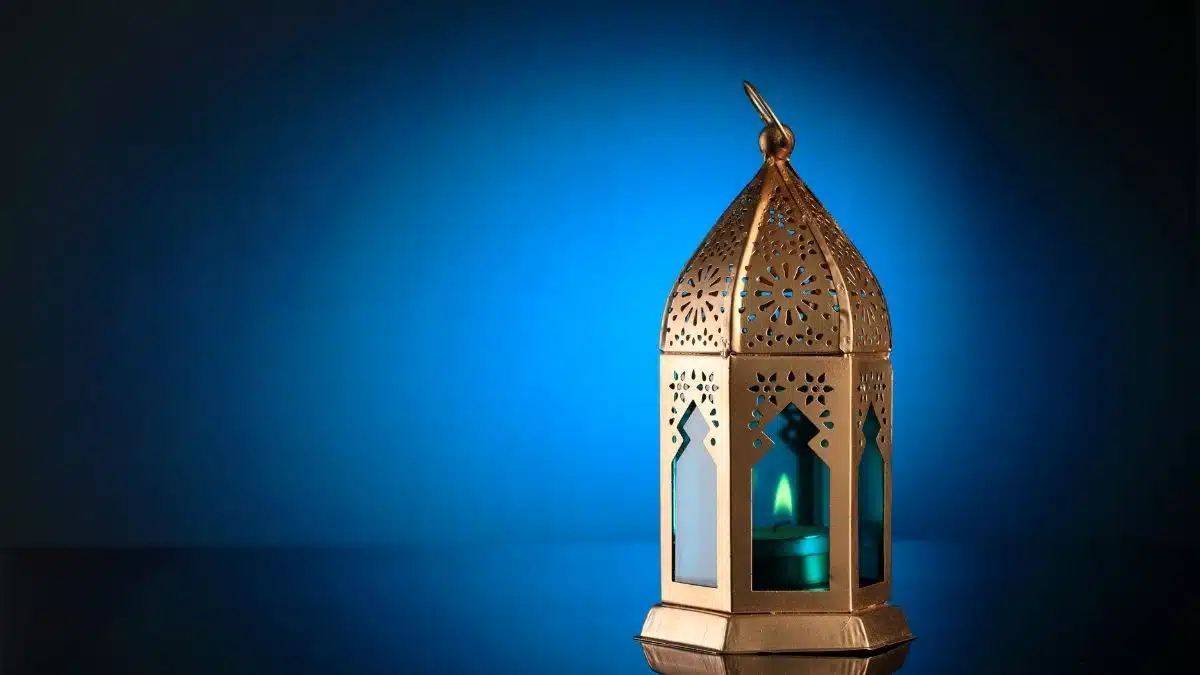


Ramadan does not start on the same day or month every year, because it is the Islamic calendar. The start date of Ramadan may vary by up to 10 days each year in accordance with the Islamic calendar. This year, this Suru festival has started on 10th of Chait and will be completed on 9th or 10th of Baisakh.


How is Ramadan celebrated?


A person fasting during Ramadan does not even drink water from sunrise to sunset. Smoking, drinking and sexual activities are also prohibited during that time. But after sunset, this rule does not apply. After sunset, you can eat after breaking the fast.


There is a tradition of drinking water and dates to break the fast. After that, many dishes are prepared and eaten until sunrise.


During the day, Muslims pray and pray to Allah, wishing for the progress of the society. They can wake up before sunrise, have breakfast and pray and then go about their daily work. After that, one should fast all day and spend time with family after sunset. This routine should be followed for a month.


Ramadan is a holy month, in which the people of the Muslim community do more charity work and help those in need.


Young children, the elderly, pregnant women, the sick, those who are menstruating or people who need special care are also exempted from fasting. It is a tradition that everyone except them should observe this fast.


Even if someone is unable or unable to fast during Ramadan, they can continue the fast even after the month ends.


Why is this festival celebrated?


This month is also to change oneself as a good person by imbibing the values and beliefs of Islam. Many members of the community fast during Ramadan to rid themselves of negative feelings and habits. Apart from this, the purpose of this Ramadan is to purify oneself emotionally and spiritually.

Mythology: Who was Sita?

Mythology: Who was Sita?


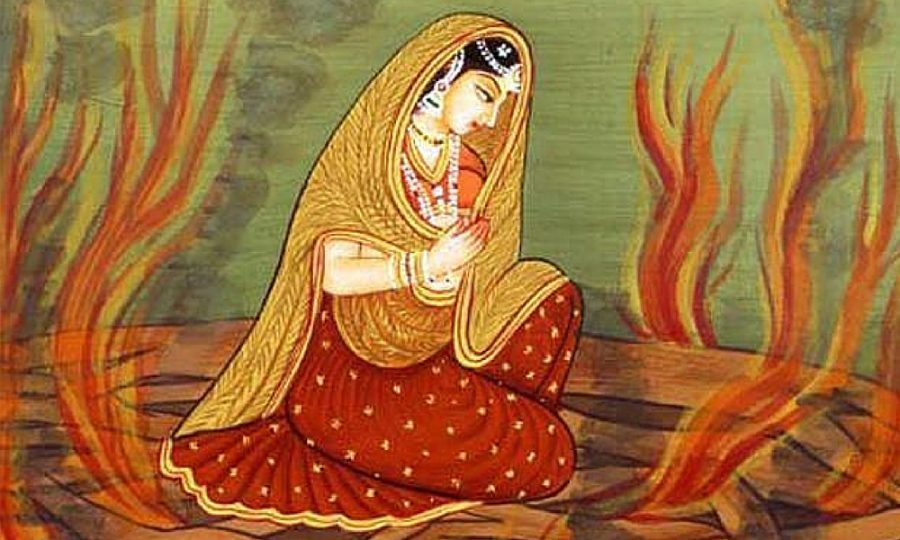
Sita is an interesting character of mythological texts. Sita, the daughter of King Janak of Mithila, was married to King Rama of Ayodhya. This is the story of Treta Yuga. Eastern philosophy mentions Sita as an 'ideal woman'.


The meaning of Sita in the dictionary is a line made on the ground by the ploughshare, the ploughshare on the ground when plowing. According to the popular story, when Rajarishi Janak plowed to prepare the Yajna land, Sita appeared from that land.


However, there is no uniformity in the mythological texts about the birth of Sita. The birth of Sita is mentioned in Puranas such as Valmiki's Ramayana, Anandaramayana, Adhyayaramayana, Adhyatramayana, Kambaramayana, Devi Bhagavata etc. The Padma Purana and Bhavishi Purana describe in detail how Sita was born.


The most popular story about the birth of Sita is Valmiki's Ramayana. Maharishi Valmiki has written in Ramayana, "There was a severe drought in Mithila state. Then the sages asked King Janaka to organize a yagna to bring rain to Mithila. After the grand yagna, King Janak himself went to plow the field.


While plowing the field, the blade of the plow got stuck on something hard. King Janak could not take out the plow from there. Then they started digging in that place. While digging like this, an urn was found inside the ground.


Lifting the urn, a beautiful girl was seen playing. King Janaka took that girl out of the Kalash and brought it with him. And started raising them by adopting them. It is said that before that no child was born from King Janak and his wife Sunaina. That is why the royal couple brought up Sita as their child. Based on this statement, Sita is called Bhumiputri.


The wonderful story of Ramayana


Another story related to Goddess Sita is mentioned in the wonderful Ramayana. In the story, she is said to be the daughter of Lankapati Ravana and Mandodari. This story is similar to Ramayana.


The story is expanded in this way. A sage named Gritsamad chanted every day to get Goddess Lakshmi as his daughter and used to put drops of milk in an urn with the front part of Kush.


One day when the sage was not in the ashram, Ravana came there. He killed all the sages there and filled the urn with their blood. He took that urn and hid it in his palace so that no one could see it.


By chance, Ravana's wife Mandodari saw that kalash. She was curious to see what the urn was. One day when Ravana was not in the palace, she opened the urn and looked at it. Mandodari started drinking all the blood inside the urn. As a result, she became pregnant.


So that no one would know this difference, she hid her daughter in an urn and went far away from Lanka, and left her in Mithila and returned. That is why Sita is said to be Ravana's daughter.


Cause of Ravana's death


The third story of Goddess Sita is related to a Brahmin girl named Vedavati. Which is mentioned in Brahmavaivarta Purana. In this story it is said that once upon a time Vedavati was doing penance to get Lord Vishnu as her husband. At the same time, Ravana was visiting the Himalayas. His eyes fell on Vedavati and Ravana grabbed the hand of Vedavati, who was doing penance, and tried to force intercourse.


But Vedavati saved herself from Ravana and killed herself by jumping from the mountain into the ditch. When she died like that, she cursed Ravana, 'I will take reincarnation and come to Lanka and destroy you and your family.'

Popular Posts