Showing posts with label Does. Show all posts

Why does the body move by itself, and who takes away the control of the body?

 Why does the body move by itself, and who takes away the control of the body?


Physiotherapy, vocational rehabilitation, speech therapy and regular exercise also improve quality of life.


Why does the body move by itself, and who takes away the control of the body?


Uncontrolled changes in body movements are called movement disorders, which are caused by disturbances in the nervous system of the brain.

Many of us have seen the problem of someone's hands constantly shaking, neck twitching, face twitching involuntarily, hands not moving when trying to write or legs moving at night when trying to sleep.


Most people ignore these symptoms as the effects of aging, weakness, stress or vitamin deficiency. But such symptoms can be a sign of a disturbance in the system that controls the movement of the brain. This problem is called 'movement disorder' in medical language, i.e. disease related to uncontrollable movement.


The human brain is the most complex and amazing part of the body. Walking, running, writing, speaking, smiling, eating or even the smallest activities are controlled by the brain in a very subtle way.


Some special parts of the brain, especially the basal ganglia, cerebellum and the nerve network connecting them, are making the movement of the body balanced, smooth and coordinated. When there is a problem in these parts, the body starts to move against the patient's will.


The most common problem is tremor. When drinking tea, holding a spoon or signing, the hands may tremble, sometimes even the head or voice may tremble. Essential tremor and Parkinson's disease seen in many elderly people are the main causes.


Not all tremors are Parkinson's, therefore, an accurate diagnosis is essential. Parkinson's disease is one of the major neurological diseases that increase with age. Symptoms such as slow movement of limbs, body stiffness, hand tremors when resting, loss of balance and reduced facial expression are seen.


Previously, this disease was considered very complicated, but now, thanks to effective drugs, restorative treatments and modern surgical techniques, patients can live an active and dignified life for a long time.


Another important problem is dystonia. In this, some muscles of the body contract uncontrollably, so the neck becomes bent, the eyes keep closing by themselves, the mouth or voice changes, or the hands go into an unnatural state. Its special type is writer's cramp.


In such a condition, the person can do all other work normally, but only after starting to write, the hand becomes stiff, the fingers become crooked and it becomes difficult to hold the pen. This problem can be seen in students, teachers, bank employees, writers and people who have to write a lot.


It is ignored for years as a simple weakness or mental stress, while with timely treatment, good improvement is possible.


In some patients, the limbs of the body move irregularly like dancing. It is called Korea. Slow jerking movements are called athetosis and sudden jerking movements are called myoclonus.


Some children and young people have the habit of blinking their eyes, opening their mouths, shaking their necks or making noises. Such conditions are called tics. Most of these are treatable.


Restless legs syndrome is a problem that many people experience but is less discussed. It has a strong urge to move the legs especially in the evening or when resting at night. The patient feels crawling, tingling, burning or pulling in the legs.


Moving the legs gives relief for some time, but when resting again, the problem recurs. As a result, sleep is disturbed, fatigue throughout the day, irritability and reduced ability to work. Most people don't care, thinking of it as a habit or a gas problem. But it is also a neurological disease and effective treatment is available.


Why do these diseases appear?


There can be many reasons. Changes in brain cells with age, hereditary effects, stroke, brain injury, long-term use of certain drugs, lack of iron in the body, diabetes, kidney disease or other neurological diseases can also cause uncontrolled movement.


Identification and treatment


To identify the disease, the patient's history, neurological examination, blood test if necessary, MRI, CT scan and other special tests are done. The most important thing is not to self-medicate and consult a specialist without delay.


As far as treatment is concerned, it varies according to the disease. Many patients get better with medicine. Botulinum toxin injections are very effective in many patients with dystonia.


Physiotherapy, vocational rehabilitation, speech therapy and regular exercise also improve quality of life. When drugs don't work enough, modern functional neurosurgery offers new hope. Its most successful technique is Deep Brain Stimulation.


In this, a small electrode is placed in a certain part of the brain and a light electrical stimulation is given by a battery connected under the skin. It can significantly improve Parkinson's disease, essential tremor, dystonia and some other movement related diseases by controlling abnormal nerve signals.


This treatment is successfully available not only in the developed countries of the world, but also in Nepal. Deep Brain Stimulation services are regularly available with us, and most patients have seen significant improvement and encouraging results from this treatment.


In society, such diseases are still considered to be the effects of old age, devastation, weakness or mental problems There is a tendency to misunderstand it. Due to such confusion, many patients are deprived of treatment.


The reality is, most movement disorders can be controlled if detected early, and many patients can return to a normal life.


If any part of the body starts shaking for no reason, if it is difficult to write, if the neck or face starts bending on its own, if there are uncontrollable tremors, or if there is a problem of moving the legs at night, it should not be considered normal. It is wise to consult a neurologist or neurosurgeon in time.


Only with a health-conscious citizenry, timely diagnosis and access to modern treatment can we reduce the disability caused by uncontrolled movement disorders.

What signs does our body show when we are deficient in which vitamin?

 What signs does our body show when we are deficient in which vitamin?


Feeling tired and weak in the body can be a major sign of a deficiency of vitamin B12, vitamin D, or folate.


Our body needs many vitamins to stay healthy. When we start experiencing a vitamin deficiency, our body starts showing some symptoms. People often consider these symptoms to be normal,. Many of the symptoms we see in our body are due to vitamin deficiency.


Having a general knowledge of what physical signs we see when we are deficient in which vitamin can help us to see a doctor easily.


Frequent fatigue and weakness


If you feel tired all the time, it could be a sign of a deficiency of vitamin B12, vitamin D, or folate. A deficiency of these vitamins reduces energy levels.


Hair loss and weak nails


Excessive hair loss, brittle nails, thinning, and splitting can be signs of a deficiency of vitamin B7 and vitamin D. Sometimes, it can be related to iron deficiency.


Mouth sores and chapped lips


Frequent mouth sores or chapped lips can be a sign of a deficiency of vitamin B2, vitamin B6, vitamin B12, and folate. You should consult a doctor even if you do not experience any pain.


Persistent dry skin


If your skin is constantly dry or this problem is increasing, it can be a sign of a deficiency of vitamin A, vitamin E, or vitamin C. You should pay attention to your diet.


Bleeding gums


Bleeding gums when brushing or wounds that do not heal quickly can indicate a deficiency of vitamin C. Vitamin C helps the body produce collagen and heal wounds. It can also weaken bones.


What to eat to avoid vitamin deficiency?


Before eating anything, it is important to know what your body is deficient in. Then, you should manage your diet accordingly.

How does environmental pollution affect reproductive health?

 How does environmental pollution affect reproductive health?


It can weaken the quality of eggs. Ovarian function can decrease prematurely. Hormonal imbalance can occur.


Studies have shown that environmental pollution and harmful chemicals are having a serious negative impact on human hormonal systems and reproductive health.


Today, the world is facing the challenges of climate change, air pollution, and environmental degradation. The debate on environmental protection often focuses on the protection of forests, wildlife, rivers, and natural resources. However, scientific research in recent years has revealed that environmental risks are not limited to nature alone but also have a profound impact on human health, especially reproductive health.


The air we breathe, the food we eat, the objects we use, and the environment we live in can directly affect our body's hormonal system, reproductive capacity, and the health of future generations.


Therefore, environmental protection today has become not only a campaign to save the earth, but also a campaign to secure the health and future of future generations.


Environmental Pollution and Reproductive Health


In modern lifestyles, we are exposed to various chemicals on a daily basis. Some of the elements found in plastic bottles, pesticides used in food production, industrial pollution, smoking, chemicals in cosmetics, and polluted air are called endocrine disrupting chemicals.


These chemicals can affect the body's hormonal system. Since hormones are the basic regulators of the reproductive process, an imbalance in them can affect everything from conception to childbirth.


Impact on women


Environmental risks can also have a serious impact on reproductive health in women. This can weaken the quality of eggs. Ovarian function can decrease prematurely. Hormone imbalances can occur. Difficulty in conceiving can occur. Miscarriages and pregnancy-related complications can increase. It can also affect the success of fertility treatments.


Research has shown that environmental pollution can also affect the outcome of treatment, especially in couples undergoing infertility treatment.


Effects on Men


Long-term exposure to environmental pollution and harmful chemicals can cause various problems in male fertility. Sperm count may decrease. Sperm motility may decrease.


Sperm quality may decrease. Sperm DNA may be damaged. The chances of conception may decrease. Various studies are raising concerns about the gradual decline in sperm count in men around the world, in which environmental pollution is seen as a significant cause.


The relationship between air pollution and infertility


According to the World Health Organization, air pollution is one of the leading causes of global health risks today. Recent research has indicated that there is a direct relationship between air pollution and reproductive health.


A fact sheet presented at the European Society of Human Reproduction and Embryology 2025 stated that people living within 200 meters of a main road are at higher risk of infertility than other people.


It also states that the chance of pregnancy can increase by about 3 percent for every additional 200 meters away from a main road. This has further clarified the link between traffic pollution and reproductive health.


Pregnancy and air pollution


The effects of air pollution are not only visible before conception, but also throughout pregnancy. Fine particulate matter PM 2.5 can enter the bloodstream through the lungs and reach the unborn child. This has the potential to affect fetal development.


Climate change and maternal health


Climate change has not only increased temperatures, it has also added serious challenges to the health of pregnant women and newborns. Pregnant women exposed to extreme heat may have an increased risk of premature birth.


Low-birth-weight babies may be born. The risk of stillbirth may increase. High blood pressure may occur during pregnancy. Longer hospital stays may be required.


Rising temperatures, heat waves, floods, inundations and natural disasters are also affecting pregnant women's access to health services.


Global impact of the climate crisis


According to the World Health Organization, about 3.6 billion people in the world live in areas highly vulnerable to the health impacts of climate change.


The impact is not the same for everyone. Economically and socially vulnerable communities, women in rural areas, pregnant women and newborns are at higher risk. The impact can be even more severe in communities with limited access to health services.


What should be done now?


The evidence on the link between climate change, environmental pollution and reproductive health is constantly strengthening. Therefore, it is now necessary to look at public health, the environment and climate change from an integrated perspective, not as separate issues.


- To this end, air pollution control should be prioritized. The use of clean and renewable energy should be increased.


- The use of plastics and harmful chemicals should be reduced. Special attention should be paid to the safety of pregnant women and newborns.


- Climate-resilient health systems should be developed.


- Investment in scientific research and evidence-based policymaking should be increased A campaign should be launched at the community level to adopt an environmentally friendly lifestyle.

Why does Google Maps consume so much battery? This is the new power saving mode that saves battery for up to 4 hours

 Why does Google Maps consume so much battery? This is the new power saving mode that saves battery for up to 4 hours


In this era, smartphones are no longer just a means of communication for us, they have also become an integral part of our journey. Whether traveling to unfamiliar places or short distances within the city, we often depend on Google Maps.


But one of the bitter truths of using Maps is that it consumes the phone's battery at a very fast rate. Using Maps while going on a long journey or when there is no charging facility is like pushing the phone to the brink of death.


To solve this serious problem, Google has introduced a new power saving mode in its navigation service. As claimed, this feature can increase the battery life of smartphones by up to four hours.


But as attractive as this feature looks, some of the conditions or limitations that come with it are equally challenging. Today, we are discussing in detail about this new feature of Google Maps, how it works and the impact it has on the user.


Why does Google Maps consume so much battery?


There are many technical reasons behind Google Maps consuming battery. The first and main reason is the constant GPS tracking. Every second, the phone has to constantly communicate with satellites to determine your geographical location. This never lets the phone's processor rest.


The second reason is real-time data streaming. Maps doesn't just show the route, it also downloads real-time road speeds, accident information, and traffic congestion details based on data from millions of other drivers. Using machine learning, it constantly calculates the estimated time of arrival (ETA) to your destination and alternative routes.


The third and most visible reason is the bright screen. In daylight, the phone's screen needs to be run at full brightness to see the road clearly. Full-color maps, 3D buildings, and constantly changing scenes put a lot of strain on both the phone's processor and display. All these factors together can make even a phone with a large battery die before it can be fully charged.


New Power Saving Mode


This new mode recently introduced by Google is specifically aimed at users who are on long-distance trips and do not have the option of charging their phones. This feature minimizes unnecessary and energy-consuming visuals without removing basic information needed for navigation.


Technically speaking, this mode uses the phone's Always On Display technology. When you turn on this mode and press the phone's power button while navigation is active, the phone's screen turns into a monochrome, i.e. black and white interface, instead of turning off completely. This saves a lot of battery, especially on phones with OLED displays. Because the phone's pixels do not have to light up to display black.


Limited to the Pixel 10 series


One downside for now is that this feature is not available to all Android users. Google has limited this feature to its new models Pixel 10, Pixel 10 Pro, Pixel 10 Pro XL and Pixel 10 Pro Fold for now. These phones use Google's new Tensor G-5 chipset. Which can handle such complex tasks in a way that consumes less energy.


Although this feature has been rolling out since last year, it has not yet reached other older Pixel models or phones from other brands like Samsung and Xiaomi. However, Google is expected to gradually make it widespread.


How to activate this mode?


If you have a Pixel 10 series phone, you will have to adjust this feature from the internal settings of Google Maps. To do this, first open the Google Maps app.


Tap on your profile picture in the upper right corner. Now select the Settings option and go to the Navigation settings.


You will see a toggle button for Power Saving Mode within the Driving options there, turn it on.


Once this setting is turned on, you just have to press the power button when you start your journey. After doing this, the main navigation information will start appearing on your phone's lock screen.


Effects of turning on power saving mode


While this mode is said to save battery, it may not always be useful for everyone. Google has removed many important features of Maps in this mode to save battery. Normally, Maps shows red if there is traffic jam, yellow if there is moderate traffic, and green if there is clear traffic.


However, this color-coded information is not available in power saving mode. You will not get visual alerts about accidents, construction work, or sudden jams on the road.


Similarly, this mode removes 3D buildings, detailed street names, and complex map layers. Only a simple black and white line appears on the screen and an indication of where your next turn is.


Where is the gas station in the middle of a trip? Where is the nearest restaurant or coffee shop? Such details are not visible in this mode. If you want to eat or fill up on gas along the way, you'll have to turn this feature off and return to the normal map.


Many drivers prefer to keep their phones in a horizontal position on the dashboard of their car. However, this power saving mode only works in portrait mode. This makes it difficult for those using the landscape mount. This can be inconvenient for some.


Surprisingly, this feature only works when you are driving. This mode does not work if you are walking, cycling or on public transport. While pedestrians may need more battery life.


In what situations does it work?


This mode seems to be designed by Google as an emergency tool rather than a default setting. Imagine, you are on a long road trip and your car's mobile charger suddenly breaks down.


Your phone has only 10 percent charge left and the destination is still far away. In such a situation, this mode can keep your phone alive for an additional 4 hours. It helps you reach your destination without getting lost. But it does not provide other features on the road.


So, using this mode on short daily trips or when there is a phone charging facility does not make much sense. It keeps you away from the real road conditions, which can sometimes be risky from a safety point of view.

How does an air purifier clean polluted air?

 How does an air purifier clean polluted air?


An air purifier only cleans the air in its coverage area. It gives good results only if you have a separate purifier for each room.


An air purifier works by continuously drawing in, cleaning and releasing air back into the room.

The CRDR shows how quickly the air is cleaned, with a higher CRDR being required for larger rooms.


When we enter a house, we think that no matter how much dust or smoke there is outside, the air in the house is clean. But the truth is that these days the air inside the house is as polluted as the air outside. Especially in big cities, where the air quality index is consistently bad.


In such a situation, most people want to buy an air purifier, but they are worried about how to identify a good quality air purifier. If you do not buy a good quality air purifier, the air will be polluted. Therefore, before buying an air purifier, it is important to fully understand its actual workings, essential features and common misconceptions.


What does an air purifier do?


Many people think that an air purifier only freshens the room. But an air purifier works in a continuous process of pulling air, cleaning it and releasing it back into the room. The fan inside the machine pulls in dirty air, dust, PM 2.5, pollen, pet dander, smoke, etc. from the room. Then various filters do their job.


The HEPA filter captures very fine particles. The activated carbon filter absorbs household odors, cooking odors and gases. The pre-filter extends the life of the HEPA by blocking large particles. Some machines also have an ionizer or hybrid system, which makes the air even better.


6 things to pay special attention to before buying an air purifier


1. The higher the CRDR, the better


CRDR 'clean air delivery rate' shows how quickly the machine cleans the air. A high CRDR is needed for a large room and a medium CRDR for a small room. If you choose the wrong CRDR, the air will never feel clean.


2. Understand the life of the filter and the cost of replacement


Many people only pay attention when buying a machine, but replacing the filter later costs a lot. An air purifier is not a one-time item, but an item that requires regular maintenance. Therefore, you should buy it only after understanding the life of the filter and the cost of replacement.


3. How much noise does it make?


Especially in winter, when the fan or AC is not running in the room, even the light sound of the purifier can be heard all night. Therefore, if the noise of the air purifier is too loud, sleep will be disturbed and the benefits will be reduced. Therefore, you should choose one with low noise.


4. Power consumption should be low


Air purifiers should be used for many hours a day. Therefore, it is beneficial to choose a machine that consumes less power.


5. Smart features are necessary


If you are tech-savvy, features like Wi-Fi, mobile apps, real-time AEQI monitoring are very convenient. They can also control the machine remotely.


6. Remove these myths from your mind right now


Myth 1: One purifier is enough for the entire house


This is completely wrong. An air purifier only cleans the air in its coverage area. Only having a separate purifier for each room gives good results.


Myth 2: HEPA filters also remove odors


HEPA only captures particles. Only activated carbon filters have the ability to clean odors and gases.


Myth 3: Purifiers are only needed in winter


The air is not only polluted in the winter, it can also be polluted in the summer. In big cities, the AQI is often bad in every month, so an air purifier is useful all year round.


Choosing an air purifier with these things in mind will provide you with truly clean and healthy air.

Does a dog bite transmit rabies? Let's know 9 myths and truths

 Does a dog bite transmit rabies? Let's know 9 myths and truths


The rabies virus is transmitted to humans through animal bites or their saliva, and it is fatal if not vaccinated on time.

Rabies can also be transmitted from not only dogs but also cats, monkeys, bats and foxes.

To prevent rabies, it is necessary to get vaccinated immediately after an animal bite.

Rabies is a disease caused by a virus. It is mainly a disease that occurs in animals, but it can also be transmitted from infected animals to humans. This virus remains in the saliva of infected animals. When an animal bites a person, the virus is transmitted to humans. Rabies is a serious and deadly disease, about which there are many myths and misconceptions in society.


Myth 1: Rabies is transmitted only through bites.


Truth: Rabies is usually transmitted through animal bites, but if the saliva of an infected animal enters the body in other ways, the disease can also be transmitted to humans. The disease can also be transmitted through cuts, abrasions, or contact with the mucous membranes of the eyes, nose, or mouth.


Myth 2: Rabies is only transmitted by dog ​​bites.


Truth: Many people have the misconception that rabies is transmitted only by dogs. However, this is not true. Rabies can also be transmitted by other animals such as cats, monkeys, bats, and foxes. Also, any rabies-infected animal can spread the disease.


Myth 3: Pets are protected from rabies.


Truth: Pets are not automatically protected from rabies. They need to be vaccinated on time. If they are not vaccinated, they can also be at risk of this disease. Therefore, it is important to regularly vaccinate your pet dog or cat against rabies. For this, you should consult a veterinarian.


Myth 4: Rabies vaccination is not necessary if you are bitten by a vaccinated dog.


Truth: If a pet dog or cat has been vaccinated and bites or scratches, you should seek medical advice immediately. Sometimes the vaccine can be missed or the immune system is not fully developed, so there is a risk of rabies. Therefore, post-bite vaccination should be done after consulting a doctor.


Myth 5: Rabies vaccine is given in the armpit.


Truth: Many still think that rabies vaccine is given in the armpit, but this is wrong. Modern medical science has made progress. Now rabies vaccine is not given in the armpit, but in the arm or sometimes under the skin. This modern vaccine is very effective and safe.


Myth 6: Applying turmeric, chili or oil to the bite site prevents rabies.


Truth: It is completely wrong to use home remedies like turmeric, chili on the bite site of a dog or cat. Such measures can cause more serious harm to the patient. The bite site should be washed immediately with clean water and soap and immediately go to the doctor and get rabies vaccine.


Myth 7: Rabies vaccine can be given at any time.


Truth: Many people think that rabies vaccine can be given at any time, but this idea is very dangerous. Rabies vaccine should be given immediately after a bite or scratch. Delaying treatment reduces the effectiveness of the vaccine. If symptoms appear, the disease cannot be treated. This disease is fatal.


Myth 8: Tetanus vaccine protects against rabies.


Truth: Many people seem to feel more confident after getting the tetanus vaccine, and some even avoid getting the rabies vaccine after getting the vaccine. As a result, we have experienced that people who have been bitten by a rabid animal have died due to rabies. Therefore, rabies vaccination is mandatory.


Myth 9: The vaccine should be given within 24 hours of a dog bite.


Truth: It is not necessary to get the vaccine within 24 hours of a dog bite. The sooner the vaccine is given after the dog or animal bites, the faster it works, so it is advisable to get it immediately. But even if it is delayed for some reason, it should be administered as soon as it is known or as soon as the vaccine is available.


Points to note


The only way to avoid rabies is prevention, which is possible through vaccination. If you have pets, they should be vaccinated on time. If you are bitten by an animal, you should immediately seek medical advice and do not use any home remedies on the wound. If symptoms of rabies appear, this disease can be fatal. Therefore, you should not believe any myths related to rabies and only follow the advice of a doctor.

How does the nose purify the air?

 How does the nose purify the air?


The nose is a major organ of the body and plays a role in breathing, smell recognition.

It is necessary to understand the structure and function of the nose, and its cleanliness and care are important.

Ayurveda emphasizes the importance of the nose and hygiene measures, such as Jalneti and Nasya.

The nose is an important part of the human body, which plays an important role in breathing, smell recognition and facial beauty. The nose is an external organ of the body, which is directly related to the external environment. Dust particles in the environment, various viruses that cause infections enter the human body through the nose. Allergic 'protein' particles also reach the body through the nose.


Should the nose be cleaned? What should be done to keep the nose healthy? Not much attention is paid to this. Sometimes our attention goes to the nose only when the nose is blocked or when breathing is uncomfortable.


Structure of the Nose


According to Dr. Arun Adhikari, a nose, ear and throat specialist, the structure of the nose can be divided into two parts: external and internal. The outer part of the nose consists of the nasal bridge, the tip of the nose, and the nostrils.


“The upper part of the nose is made of bone, while the lower part is made of cartilage,” says Dr. Adhikari, “which gives shape to the nose. The skin of the nose is thin at the top and thick at the bottom.”


The internal structure of the nose includes the nasal passage, mucous membrane, sinuses, turbinates, and olfactory receptors. The nasal passage is the hollow part of the nose that starts at the two nostrils and ends at the throat. The inner part of the nose is lined with mucous membrane, which blocks dust, germs, and other particles.


There are four pairs of sinuses around the nose, which help in breathing, Adhikari said.


According to him, the turbinates are bony structures inside the nose that warm, moisten, and filter the air. The upper part of the nose contains odor-detecting receptors, which connect to the brain and provide information about odor.


Function of the nose


The nose mainly performs functions such as breathing, detecting odors, warming or cooling the air, protecting the lower respiratory tract, and changing the voice when the nose is blocked, says Dr. Adhikari.


The nose lets air enter the respiratory tract, says Dr. Adhikari, “It filters, warms, and moistens the air, which keeps the lungs healthy. The nose and sinuses also act as an environmentally friendly ‘air conditioner’.


The nose recognizes odors, which are transmitted through the nerves of the brain. He said that this is also helpful in recognizing the taste of food and obtaining information about the environment.


The hair and mucus of the nose block dust, germs, and other harmful particles. The nose helps to make the voice clear and quality. The sinuses make the facial bones lighter and help in breathing, says Adhikari.


“When any foreign object or particle enters through the nose, the nose reacts and sneezes, which prevents those foreign particles from reaching the lungs. In this way, the nose also helps protect our lower respiratory tract,’ says Dr. Adhikari.


This is how the nose purifies the air


The small hairs at the entrance to the nose prevent dust, dirt, and large particles from entering the respiratory tract, Dr. Adhikari said.


According to Adhikari, the layer of mucus on the inner surface of the nose traps small particles, bacteria, and viruses. This mucus traps pollutants in the air and only clean air reaches the lungs.


Small hair-like structures called cilia located inside the nose help to remove or send particles stuck in the mucus to the throat, so that those particles can be swallowed or coughed out, said Adhikari.


‘The nose warms and humidifies the outside air to body temperature, which provides the lungs with suitable air. It also reduces some pollutants in the air, says Adhikari, adding that the enzymes and antibodies in the nasal mucus help destroy bacteria and viruses.


Importance of the nose in Ayurveda


The nose has special importance in Ayurveda because it is the main route of breathing and is considered the gateway to life air. The nose plays an important role in physical, mental and spiritual health, explains Ayurvedic physician and psychologist Dr. Shanti Timalsina.


According to Timalsina, in Ayurveda, the nose is considered the foundation of physical and spiritual health. Regular care of it, practices like nasya karma and pranayama work to keep the body and mind healthy and balanced.


‘The life air that enters through the nose controls all the functions of the body. Breathing maintains the balance of dosha vata, pitta and kapha. Correct breathing through the nose calms the mind and energizes the body.


What to do to keep the nose healthy?


Impure air reaches the lungs through the nose. Therefore, it is necessary to take care of the nose. But to keep the nose clean and healthy, it should not be scratched carelessly. It should not be cleaned unnecessarily. Avoid dust and pollution, do not smoke, and use a mask if you have to go to polluted places, says Dr. Dhundiraj Poudel, a nose, ear, and throat specialist.


Drink plenty of water and eat foods rich in vitamin C. Dr. Poudel says that foods rich in vitamin C help increase the body's immunity. 'You should drink water and plenty of fluids to keep the nose, mouth, and throat cool,' says Dr. Poudel. 'This helps prevent the entry of bacteria or viruses. When the nose and throat are dry, viruses or bacteria can multiply. 


If any symptoms are gradually increasing, he suggests consulting a doctor immediately.


Nose-related problems


Viruses cause nasal congestion, runny nose, etc. When there is a sinus infection, symptoms such as headache, nasal congestion, fever, etc. occur. Dust, pollen or other allergies can cause nasal congestion, sneezing, etc., said Poudel.


The problem of flesh growing inside the nose, which hinders breathing. When the nasal bone is crooked, it becomes difficult to breathe. Dr. Poudel says that nosebleeds can also occur due to dry environment, injury or high blood pressure.


How to clean the nose?


Generally, it is not necessary to clean the nose. The structure of the nose is not such that it needs to be cleaned. The nose is cleaned as soon as the congestion appears. However, Ayurvedic doctor Timalsina says that Ayurveda mentions the method of cleaning the nose.


According to Timilsina, Ayurveda mentions the Jalaneti method for cleaning the nose. Jalaneti is an ancient and natural practice. In this process of cleaning the nose, the nose is washed with salt water to remove dirt from the nose. It also helps get rid of pimples, prevents dirt from accumulating in the nose and also removes accumulated germs. Jalaneti helps to make it easier to breathe properly while practicing any yoga.


She suggests that this practice should be done only under the supervision of a yoga instructor and Ayurvedic doctor for the first time. “Pranayam done through the nose such as Anulom-Vilom also cleanses the nose and balances the chakras,” says Timilsina.


‘Nasya’ is an important treatment in the Panchakarma of Ayurveda, in which medicinal oil, ghee or powder is used through the nose. Nasya cures head, nose, throat and brain-related diseases such as migraine, sinus, insomnia. The nose is considered the gateway to the brain, so she said that nasya increases mental clarity and memory.

What are the 4 basic types of insurance? How does insurance work?

 What are the 4 basic types of insurance? How does insurance work?


### **The Four Basic Types of Insurance**


Insurance can be categorized into several types, but four basic types are widely recognized as essential for individuals and families. These are:


---


### **1. Life Insurance**  

**Purpose:** Provides financial support to your family or dependents in the event of your death.


- **How It Works:**  

  - The policyholder pays premiums to the insurer.  

  - If the policyholder passes away while the policy is active, the insurer pays a death benefit to the beneficiaries.  

  - Policies can be **term-based** (covering a specific time period) or **permanent** (lifetime coverage with savings/investment components).


- **Key Features:**  

  - Protects loved ones from financial hardship.  

  - Can help cover debts, education expenses, or daily living costs.  


---


### **2. Health Insurance**  

**Purpose:** Covers medical expenses, including doctor visits, surgeries, and prescriptions.  


- **How It Works:**  

  - The policyholder pays premiums and sometimes additional costs like deductibles or copayments.  

  - The insurer covers eligible healthcare expenses according to the terms of the policy.  

  - Coverage may be for preventive care, emergencies, chronic illnesses, or specialist treatments.  


- **Key Features:**  

  - Prevents financial strain from high medical costs.  

  - Often provided by employers or purchased individually.  


---


### **3. Auto Insurance**  

**Purpose:** Provides financial protection for vehicle-related risks, including accidents, theft, and damage.  


- **How It Works:**  

  - Drivers pay premiums based on factors like driving history, vehicle type, and location.  

  - In the event of an accident or covered event, the insurer compensates for damages or injuries up to the policy limits.  


- **Key Features:**  

  - Liability coverage is often mandatory in most jurisdictions.  

  - Additional coverage options include collision and comprehensive policies.  


---


### **4. Property Insurance**  

**Purpose:** Protects homes, buildings, and personal belongings against risks like fire, theft, and natural disasters.  


- **How It Works:**  

  - Policyholders pay premiums based on the value of the property and the type of coverage.  

  - If damage or loss occurs due to a covered peril, the insurer pays for repairs or replacements.  


- **Key Features:**  

  - Includes homeowners insurance, renters insurance, and landlord policies.  

  - May cover both the structure and its contents.  


---


### **How Does Insurance Work?**


Insurance is a financial arrangement where risk is transferred from an individual or entity (the insured) to an insurance company (the insurer). Here's a step-by-step explanation:


#### **1. Application and Underwriting**  

- The policyholder applies for coverage, providing details about their risk profile (e.g., health, property value, driving record).  

- The insurer assesses the risk (underwriting) to decide:  

  - Whether to offer coverage.  

  - The premium amount based on the level of risk.  


#### **2. Paying Premiums**  

- The insured pays regular premiums (monthly, quarterly, or annually) to keep the policy active.  

- These payments form a pool of funds used by the insurer to cover claims.


#### **3. Coverage Period**  

- The policy specifies the terms, including:  

  - What is covered (e.g., medical bills, vehicle damage).  

  - Exclusions (what isn’t covered).  

  - Policy limits (the maximum amount the insurer will pay).  


#### **4. Filing a Claim**  

- If a covered event occurs, the insured files a claim with the insurer.  

- The insurer evaluates the claim to verify if the event is covered and determines the payout amount.


#### **5. Compensation**  

- If approved, the insurer compensates the insured for the covered losses, either by paying directly to service providers (e.g., hospitals, repair shops) or reimbursing the insured.  


#### **6. Risk Pooling**  

- Insurance companies rely on pooling risk.  

  - Many people pay premiums, but only a small percentage file claims.  

  - This allows insurers to cover large losses for those who experience them.  


---


### **Key Principles That Govern Insurance**


1. **Utmost Good Faith:** Both parties must provide complete and honest information.  

2. **Indemnity:** The insured is compensated to restore them to their financial position before the loss (not for profit).  

3. **Insurable Interest:** The insured must have a legitimate interest in the item or person insured.  

4. **Proximate Cause:** Only losses caused directly by covered events are eligible for compensation.  


---


### **Benefits of Insurance**


- **Financial Protection:** Shields against unexpected costs.  

- **Legal Compliance:** Certain types (e.g., auto insurance) are mandatory.  

- **Peace of Mind:** Reduces stress by providing a safety net.  

- **Encourages Savings:** Some policies, like whole life insurance, also function as investment vehicles.  


---


By understanding the types of insurance and how they work, individuals and businesses can make informed decisions to safeguard their financial future. 

Does sugar cause cancer?

 Does sugar cause cancer?


 The news that eating too much sugar causes cancer is now being heard on social media. Experts also suggest not to mix sugar in food as much as possible.


Does sugar really cause cancer? And does sugar help cancer cells grow?


First let's understand about sugar.


According to nutritionist Pratima Sen, there are different types of sugar. Types of sugar include glucose, lactose, sucrose and fructose.


Dr. Sen says, 'Fruits contain more glucose and fructose. Lactose is found in dairy products like milk and cheese. Honey and fruits contain glucose and it is not harmful. But if you eat more processed sugar i.e. food with sucrose, it will harm the body.


Pratima KC, Nutritionist

Sugar and Cancer


Sugar increases obesity. And obesity is a risk factor for diabetes. There is no doubt about it. Because if the amount of sugar increases in the body, it remains in the body as unnecessary fat. And, it brings obesity.


But science has not been able to make a clear conclusion about how it causes cancer or how it causes cancer.


What does the study say?


Last year, a study by French scientists found that sugar increases the risk of cancer. According to the study, if you drink an additional 100 milliliters of such sugary products every day, the risk of cancer increases by 18 percent.


This news created waves in the public mind. Mice were used in that study. But it was not tested on humans. They argue that more studies are yet to be done for this. Even some studies have not been able to say that it has been clearly confirmed.


Some experts believe that obesity can cause cancer even though there is no evidence that sugar is directly linked to cancer. Every cell in the body is used for blood sugar (glucose). Glucose brings energy to the body.


But cancer cells use about 200 times more energy than normal cells. The tumor grows thinner and wider, which requires more and more glucose from the lungs to grow. What this shows is that glucose also helps in the formation of cancer cells.


The American Cancer Society and the National Cancer Institute also do not say that sugar causes cancer.


Fat cells secrete inflammatory proteins called adipokines. These elements can damage human DNA and cause tumors. The more fat cells accumulate, the more deadly protein remains in the body. Obesity increases the risk of 13 types of cancer, including breast cancer, liver cancer and colon cancer.


According to the American Cancer Society and National Cancer Institute, sugar does not contain carcinogenic elements that cause cancer. However, eating too much sugar can increase the risk of obesity and cancer. But there is no evidence that cancer cells cause cancer by multiplying rapidly.


The rumor that sugar causes cancer


Dr. Arun Shahi, Oncologist


It is not true that the sugar we eat causes cancer. No matter how many studies and researches have been done on this, no concrete evidence has been found. There has not been a comprehensive study on this.


It can be seen that some people believe such rumours, and give up sugary foods at once, which is not considered good in terms of health. There are as many foods as we eat. Protein, carbohydrates and fat are made from it.


Dr. Arun Shahi

Sometimes, the diet is not good and after prolonged starvation, protein and fat are also converted into glucose. What this means is that we need glucose for energy. But too much can promote obesity and diabetes.


If obesity is not controlled or diabetes has reached 10 to 15 years, stomach cancer can occur. Cancer is the uncontrolled division of cells. These divided cells also need glucose to grow. Which is obtained more from carbohydrates and sugar products.


Therefore, glucose is the basic fuel that powers each of our cells. If we eat or drink foods that contain a lot of glucose, it is absorbed directly into the blood, where it is ready to be used by the cells.


If you look at it this way, sugary foods do not directly affect you, but if you have obesity and diabetes and if you do not control it, if you eat too much processed sugary foods, there is definitely a risk of cancer.


How is sugar made?


To make sugar, the sugarcane must first be cut after it is ripe. Then cut the sugarcane into small pieces. The cut sugarcane should be washed so that it is clean and the juice should be extracted from it. Then it is cleaned by dissolving it in lime and sulphur. By doing this, mud and dirt are removed. And sugar grains are made by cooking in different stages.


Even if you don't eat sugar?


According to nutritionist Pratima Sen KC, sugar candies are eaten for taste. It is a source of carbohydrates. Rice, wheat, like the food we eat, is also a source of carbohydrates, when we eat these foods, they are also converted into sugar. That's why doctors say that even if we don't eat extra sugar, we can get the sugar our body needs from other foods as well," she says.


According to the American Heart Association, a man should not eat more than 36 grams or 150 calories of sugar per day. Women should not eat more than 25 grams or 100 calories of sugar.


What can be eaten instead of sugar?


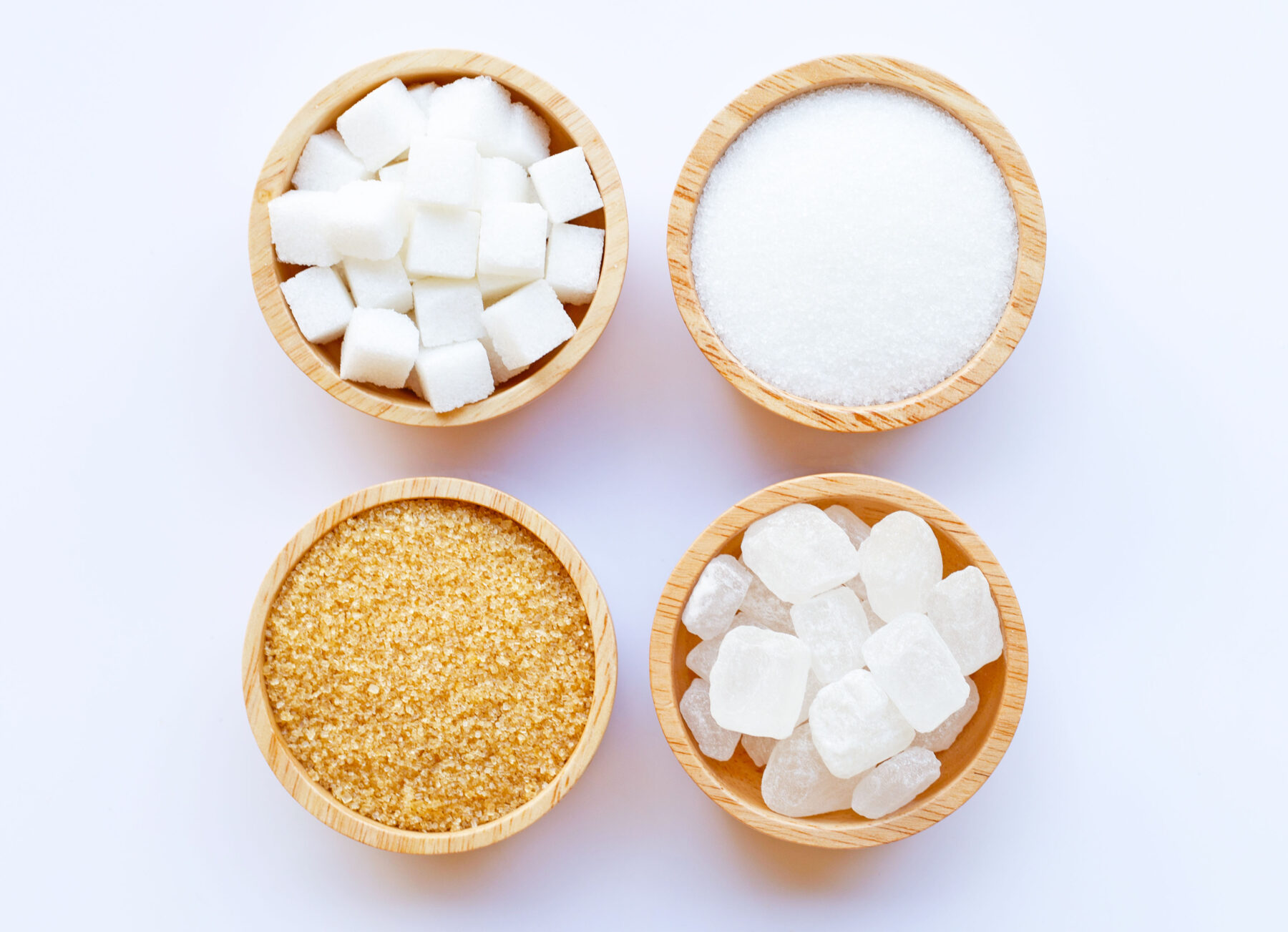
Some people use Misri, Sakhar's Q. as a substitute for sugar They do yoga. But this is not a good option, because the amount of carbohydrates and glycemic index is the same in Misri and Sugar, says Casey.


"It is better not to use corn and sugar as a substitute for sugar," she says, "We can use natural sugar as a substitute for sugar." For example, fruits, chickpeas, raisins, etc. are sources of natural sugar.


Is it better to stop eating salt and sugar?


 Don't eat too much junk food, it contains a lot of salt. Cold drink should not be drunk, it has a lot of sugar.


This is what we hear a lot. Sugar and salt seem to be blamed for diseases ranging from high blood pressure to diabetes. Are sugar and salt really the enemy of health? What happens when you give up salt and sugar?


Nutritionist Ujjwal Rayamazhi says that the role of both salt and sugar is important for the body to function in a healthy manner. Consuming too much salt and sugar has a negative effect on health. But using limited amounts of salt and sugar in daily food does not make much difference,” he says.


Salt is made up of sodium and chlorine. which is necessary to maintain fluid level balance and control muscle contractions. Also, sugar is a form of carbohydrate and is a good source of energy for our daily activities, says Rayamazhi.


What happens when you use too much?


If you use too much salt and sugar, you can get many types of diseases. According to nutritionist Rayamazhi, excessive use of it leads to high blood pressure, diabetes, heart problems and kidney problems.


"For some time now, the use of food available in the market has increased rapidly. Most of these foods available in the market are high in salt and sugar. Such food also increases the risk of high blood pressure and diabetes and also increases obesity, he says.


The role of salt-sugar in weight gain


Carbohydrates are high in sugar. Therefore, consuming too much can lead to obesity. "But if it is used in a very small amount, it can help in weight control," says Rayamazhi.


The sodium in salt increases hunger hormones, leading to overeating and weight gain. Similarly, Raimajhi suggests that reducing the amount of salt will reduce the risk of high blood pressure and obesity.


Eating foods that are high in salt increases the amount of sodium in the body. When the amount of sodium increases, the body reduces the production of urine, increases thirst and the body stores more water. Which increases the weight of water in the body," he says.


What happens when you give up salt and sugar?


Food without salt and sugar can hardly be imagined, we have become accustomed to it. Rayamazhi says, "Therefore, if you leave it suddenly, the body may lack micronutrients." Hormones can be unbalanced, so it should be reduced gradually rather than quitting suddenly.


Sodium is needed to control the amount of water in the body. Sodium plays an important role in exchanging information from the brain to other parts of the body. Salt is its main source. Also, sodium is needed to keep the muscles active. Therefore, it is better to reduce the quantity than to quit suddenly,” says Rayamazhi.


Carbohydrates are needed for daily energy which is found in sugar. Rayamazhi says, "But since we get carbohydrates from other food sources, it is appropriate to consume them in a very small amount."


How does Pantop work when eaten with gastric?

 How does Pantop work when eaten with gastric?


Acid is produced in the stomach every day, which helps in digesting food. This acid must be released from the stomach for digestion. But sometimes, for some reason, more acid is produced than required. It is called gastric.


Increased acid causes heartburn, heartburn and loss of appetite. In this case, the medicine taken for relief is pentaprazole. Pentaprazole is a proton pump inhibitor drug. This drug is colloquially known as pan top. The proton pump is the digestive juice, which is in the stomach layer. This medicine controls the secretion of digestive juices.


In what situation to use?


- Digestive problems especially when there is too much acid from the stomach or gas


- Gastroesophageal reflux disease (regurgitation after eating)


- In case of swelling in the esophagus, which carries food through the mouth to the stomach. (This problem causes chest burning, discomfort and loss of appetite.)


- Heartburn (For heartburn, medicine should be taken only on the advice of a doctor. Because heartburn can sometimes be caused by heart problems.)


- Ulcer problems


- If there is a tumor in the stomach


How does it work?


This drug belongs to proton class. When our stomach produces more acid than necessary, in that case sour belching, stomach ache and reluctance to eat occur. In this case, the work of this drug is to reduce or stop the amount of acid by disrupting the work of cells that produce acid in the stomach. As soon as its quantity decreases, the symptoms related to stomach pain will decrease.


This medicine also prevents the negative effects on the esophagus caused by acid.


How to take this medicine, when to take it?


It is a medicine that is swallowed by keeping it in the mouth with water. It should not be broken or chewed. But while taking medicine, it should not be taken on the basis of Hachuva. It is necessary to consult a doctor before taking any medicine.


This medicine should always be taken on an empty stomach. And, if you take it only occasionally, you should take a small amount.


How much to take depends on the health condition. It is a normal condition, one can be taken in the case of belching and sour water coming into the mouth. In many cases, it may be necessary to take more. Which is determined by the doctor.


In what condition should this medicine not be taken?


Women with liver disease, lack of calcium in the blood, low levels of magnesium, potassium, pregnancy and breastfeeding women should not take this medicine.


Does any medicine interact with this medicine?


People who are taking Atazanavir, Nelfinavir, Amplicin, Delaviserdine, Iron Salt, Ketoconazole should not take this medicine. Because these drugs can react with Pantop drugs and cause other side effects.


Should not be used for a long time?


It doesn't make any difference to eat pantop sometimes. But if you eat more, it can be harmful. Some people have a habit of taking this medicine when they have a stomach ache. If you eat this way continuously, it can cause problems such as weakening of bones, polyps (meat growth) in the stomach.


How fast does it give results?


This medicine starts working two hours after taking it. Its effect lasts for 24 hours. It may take up to four weeks to see its effectiveness and relief from symptoms.


This drug is sold in three forms.


– 20 mg delayed-release oral tablet


– 40 mg delayed-release oral tablet


– 40 mg granules for delayed-release oral suspension


In some cases, this drug is also given through a needle.


How to store?


This medicine should be kept in a very cool, dry and safe place. And, it should be kept away from the reach of children. Also, it should not be kept in the sun and damp places.


What are the side-effects?


Allergic reactions such as itchy skin, swelling of the face, lips, tongue and throat


Kidney injury, decreased urine output, swelling of heels, hands and feet


Magnesium deficiency, muscle and joint pain, rapid heartbeat


Low vitamin B-12 levels, tingling hands and feet, muscle weakness, difficulty concentrating


Diarrhea, fever and vomiting


If these side-effects are observed, the medicine should be stopped immediately and the relevant doctor should be contacted.


history


Pantoprazole was invented by scientist Bike Gulden in 1980. And the production and sales distribution took place in 1985. This drug was extracted while searching for a cure for ulcer.


Does your sugar level increase in summer? Learn how to control diabetes in this season

 Does your sugar level increase in summer? Learn how to control diabetes in this season


If you have diabetes then summer season can be a challenging season for you. Learn how you can control your diabetes during this time.


If your insulin level or blood sugar level (Blood Sugar Level) is not controlled properly in the summer season, then diabetes patients are at the highest risk in this season. If your blood sugar is too high then it can be more serious in these summers. Depending on your activities, low blood sugar can also become a concern and not only this, diabetes can damage your sweat glands. Due to which you don't even sweat properly. All this is due to the increase in temperature in the outdoor weather. Rising temperatures can also damage your medications and testing equipment. So you have to keep your medicines safe with you. Before going out in the summer, it is important that you keep your blood sugar under control.


What do experts say?

Our expert Dr. Vinay Bhatt, General Medicine, Columbia Asia Hospital, Ghaziabad says that heat mostly affects your blood sugar level. How much it affects you depends on how hydrated you are, how active you are, and what you eat and drink. If you are sweating profusely then it may be because you are getting dehydrated and your blood glucose level is increasing. Due to this, you can urinate again and again due to which you will get more dehydration and your sugar level can also increase more. Your medicines can also break down on their own due to high temperatures, so keep them in a cool place.


How to control diabetes in summer?

1. Adjust insulin (Adjust Insulin Level)

Be sure to ask your doctor how you can adjust your insulin level before exercising so that it does not increase your sugar and glucose levels. Many doctors will give you these tips that how you can control your blood sugar level in summer.


2. Drink More Water

The main cause of blood sugar increase is dehydration and to avoid this you should drink more water so that your body can stay hydrated.


3. Keep checking the blood sugar level (Check Your Sugar)

The temperature outside in summer can increase or decrease your blood sugar, so it is a good idea to keep checking your sugar level frequently. You can try to control your diabetes only according to your sugar level.


4. Stop Getting Dehydrated

Keep a bottle of water or liquids with you that do not increase your sugar and if you are going out, drink a little water all the time so that you can avoid dehydration in diabetes.


5. Fix blood sugar (Keep Glucagon Kit)

In summer, not only your blood sugar (Blood Sugar) may increase but also decrease. Which in itself is a concern and for this you should always keep your glucose tablets with you.


6. Avoid Sunburn

If you stay in the sun too much, you may get sunburn and it may increase blood sugar, so protect yourself from sunburn.


7. Keep Healthy Snacks With You

If you want to control your sugar then some snacks can also replace your meal.


If you have diabetes, you have to make more efforts to protect yourself and your medicines during the summer season, so avoid going out too much.


Popular Posts