Showing posts with label pregnancy. Show all posts

Why is genetic testing necessary during pregnancy? Who should get it done, when?

 Why is genetic testing necessary during pregnancy? Who should get it done, when?


Genetic testing is not something to be afraid of. Its purpose is to identify whether the child has any genetic problems in a timely manner.


According to pediatrician and genetic specialist Dr. Surbhi Aryal, although genetic testing is not necessary for everyone during pregnancy, it is considered very important in special situations.


It is natural for parents to have many questions and concerns about the health of the baby during pregnancy. In particular, whether the child has any congenital or hereditary problems has become a matter of interest for many.


In recent years, access to genetic testing has been expanding in Nepal as well, which has made it possible to identify some serious diseases in the womb. Who needs genetic testing? How much does family history affect? ​​When and which tests are performed? Is the test safe or not? And what options are available to parents if a problem is found in the test?


Pediatrician and genetic specialist Dr. A detailed conversation with Surbhi Aryal:


Should all women undergo genetic testing during pregnancy or is it only recommended for special situations?


Not all pregnant women need genetic testing. But in some special cases, it may be necessary if the doctor recommends it. For example, if the pregnant woman is over 35 years old, has had a genetic disease in a previous child, has a history of hereditary diseases in family members, or is suspected of having a genetic problem, then testing may be necessary.


Similarly, if a dual marker or quadruple marker test shows a risk, further confirmatory testing is required. In some cases, even if both parents are ‘carriers’ of a disease, testing of the unborn child is necessary. For example, if both husband and wife are carriers of thalassemia, special testing is done because there is a possibility of passing the disease on to the child.


How much does family history increase the risk of a genetic disease in an unborn child?


Family history is considered very important in genetics. Many genetic diseases are hereditary, so if someone in the family has the condition, the baby may also be at risk.


For example, some diseases, such as hemophilia or Duchenne muscular dystrophy, are X-linked, which means they are usually passed down from the mother's side. If a pregnant woman has a history of these diseases in her siblings or maternal grandparents, she should definitely tell her doctor.


Thalassemia, spinal muscular atrophy, and many other diseases can also cause the disease in her child if the parents are carriers. Therefore, it is important to be open about your family health history with your doctor during your prenatal check-up.


When is the best time to have genetic testing?


Different tests have different times.


NT scan: Between 11-13 weeks


Dual marker test: In the first trimester


Quadruple test: Up to about 20 weeks


NIPT: After 10 weeks


Chorionic villus sampling: At 12-13 weeks


Amniocentesis: After 14-15 weeks


When is the most appropriate test to perform?


Which tests are done depends on the age of the fetus, risk factors, and medical needs.


Which diseases can be detected through genetic testing?


Genetic testing helps identify many types of hereditary and chromosomal diseases. Down syndrome is one of the most commonly tested diseases. In addition, trisomy 13, trisomy 18, and other chromosomal problems can also be detected.


If there is a history of a specific genetic disease in the family or if the parents are carriers, monogenic diseases can also be identified through gene testing. Current technology has developed the ability to detect many types of genetic diseases during pregnancy.


How safe are these tests during pregnancy?


Many parents worry about whether genetic testing will affect the baby or the mother. But most tests are safe. Ultrasound and screening tests using maternal blood do not harm the mother or the baby. They are considered completely safe.


Invasive tests such as CVS or amniocentesis may have a small risk because they use needles. However, the risk is very low when performed by an experienced specialist. If the doctor recommends it, there is no need to be afraid.


What options do parents have if a problem is found in the test?


If the test shows a genetic problem in the baby, the first thing to do is to consult a geneticist, genetic counselor or pediatrician to understand the nature, severity and future of the disease.


Every disease is different. In some cases, special monitoring, additional tests or a plan to deliver in a special health facility may be made.


In some serious diseases, the baby's life expectancy may be very low. In such cases, a decision can be made about the available options with the advice of a specialist.


Is treatment possible after genetic diseases are detected in the womb?


Most genetic diseases are not curable by taking medicines like other diseases. In such cases, the main focus is on supportive therapy, rehabilitation services, regular monitoring and long-term management. Therefore, early detection of the disease is the most important aspect.


What is the access and cost of genetic testing in Nepal?


Until a few years ago, samples had to be sent abroad for many genetic tests. It was a situation where there was no such thing as a genetic test. Now, dual marker, quadruple test, NIPT and many invasive tests are available in Nepal.


However, these services are mainly concentrated in urban areas. They are yet to be expanded to rural areas. When it comes to cost, not all tests are very expensive. Some screening tests start at around Rs. 5,000, while some complex tests may cost more. Therefore, the idea that ‘genetic testing is very expensive’ is not entirely correct.


Does the risk of genetic diseases increase as the mother ages?


As a woman ages, the chances of changes in the chromosomes in the egg increase. This may also increase the risk of chromosomal problems in the child.


Especially when pregnant at the age of 35 or above, the chances of Down syndrome, trisomy and other chromosomal abnormalities are relatively high, so doctors recommend additional tests in such cases.


What are the common misconceptions or misconceptions about genetic testing?


There are still some misconceptions in society about genetic testing. First, the idea that ‘if no one in the family has a genetic disease, the child will not have it either’. In fact, not all genetic diseases are hereditary. Some can even appear in new forms.


Second, the misconception that ‘genetic testing is a test to distinguish between sons and daughters’. Its main purpose is to identify whether a baby has a genetic disease, not to determine gender.


Third, the idea that ‘this test is too expensive for ordinary people to get it done’. Not all tests are expensive and are recommended only according to medical necessity.


How do you see the future of genetic services in Nepal?


The future of genetic services in Nepal is very promising. The services currently available need to be expanded to rural areas, not limited to urban areas.


This requires skilled manpower, infrastructure, and government investment. Over time, this service is likely to become an important part of basic health care.


Finally, what is your message to parents?


Genetic testing is not something to be afraid of. The aim is to identify the child early if there is a genetic problem. If the doctor has advised screening or confirmatory testing, then you should do it with confidence.


If the disease is identified early, it is easier to provide the necessary counseling, planning, and management. Therefore, it is wise to prioritize the doctor's advice without getting confused.

Nutrition during pregnancy: what to eat, what not to eat?

 Nutrition during pregnancy: what to eat, what not to eat?


Pregnancy women experience physical and emotional changes. During these changes, nutrition is the most essential element for the development of the mother and the baby growing in the womb. Because, the nutritious food consumed by the mother during pregnancy determines the physical condition of the baby.


Why is nutrition necessary during pregnancy?


Overall development of the child: From the shape of the child, the development of all the organs is due to the mother's diet. In this case, pregnant women need elements like folic acid, iron, calcium, iodine and omega-3 fatty acids to play a role in the overall development of the child.


These foods help reduce the risk of health problems during pregnancy and after delivery, such as anemia, constipation, high blood pressure and diabetes.


'Even desire can interfere with a healthy diet'


Even though women are aware of the importance of nutrition during pregnancy, hormonal changes can interfere with eating.


Nausea: For some women, early morning vomiting during pregnancy can make it difficult.


In this case, you may not feel like eating food, but you should not stop eating. The amount of food is less than other times but can be eaten frequently. And food should be digestible. Nutrients such as fiber, protein and carbohydrates should be eaten in that food. Which provides energy and helps reduce vomiting.


Wanting to overeat some food and not wanting to look at anything


Hormonal changes during pregnancy can cause the mouth to water at the thought of food and headache after seeing a food. In this case, eating too much food that you like to eat and not eating food that contains nutrients can affect the balance of nutritious food.


Mandatory food


One of the reasons for preterm birth in this situation is vitamin D deficiency. To supplement it, you can eat vegetables, fruits, whole grains, almonds, fish and olive oil.


Another is to eat enough omega fatty acids. Babies of women who take omega supplements have better visual and sensory development up to one year old.


Folic acid should be taken not only during pregnancy but also three months before conception. Folic acid is a B vitamin. Which helps to make the baby's DNA and cells.


Green vegetables: Green vegetables, cabbage and broccoli can be beneficial during pregnancy. In this case, raw vegetables can be harmful.


Dairy products: Dairy products including milk, curd, curd and ghee are essential for pregnant women. Which provides protein and calcium for the development of the child during pregnancy.


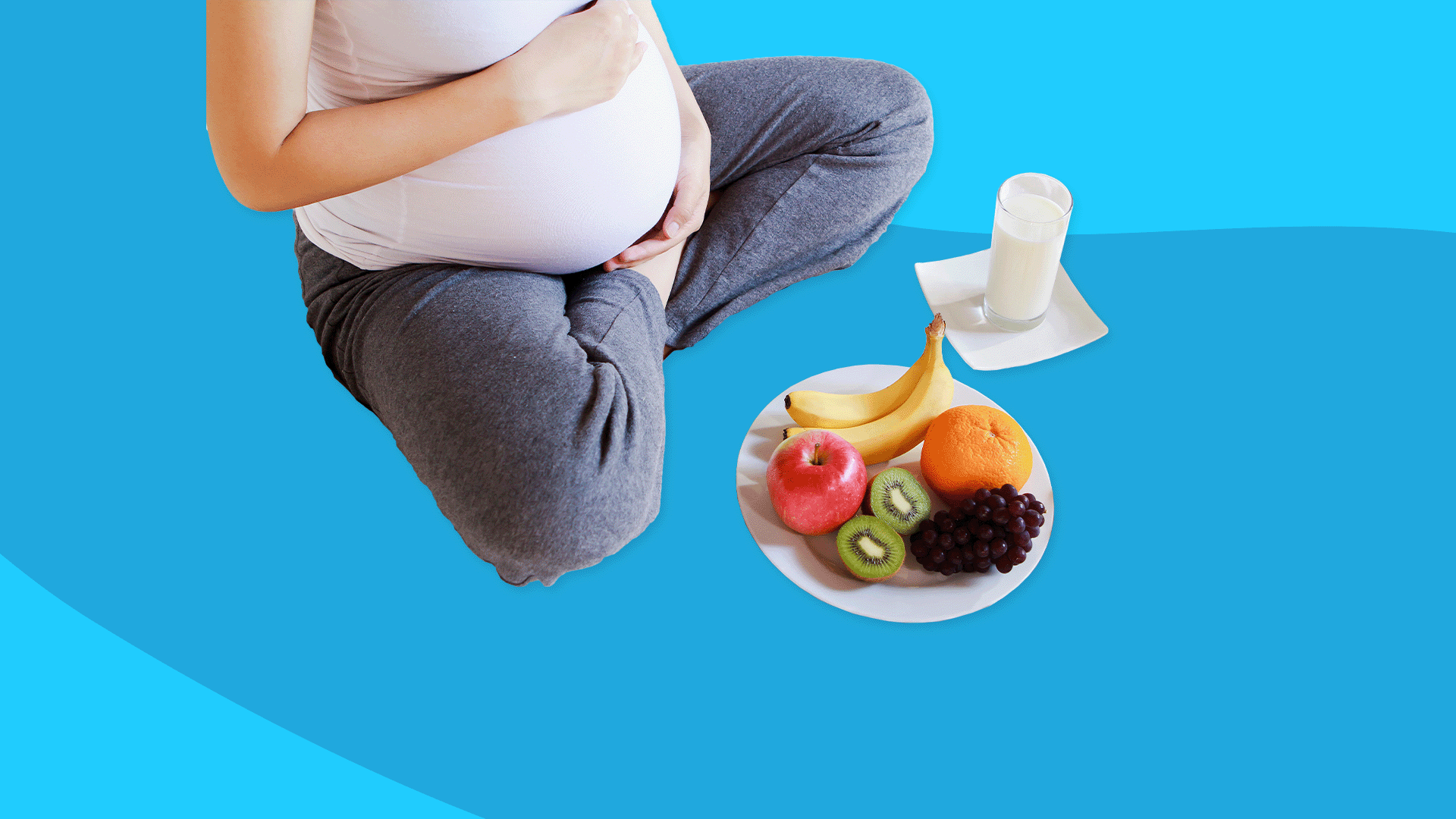
Fruits: Fresh fruits keep both mother and baby healthy during pregnancy. Apples, melons, pomegranates and other seasonal fruits are beneficial.


Dry fruits: Eating dry fruits during pregnancy is very beneficial. Almonds, walnuts, cashews and other foods are rich in various vitamins, calories, fiber and omega three fatty acids. It is necessary for both mother and child.


Egg: Egg is a nutritious food. Eggs contain high amounts of protein, cholesterol, vitamin D and antioxidants, which are essential for pregnant women.


Whole grains: Pregnant women can include whole grains like oats, brown rice in their diet.


Plenty of water: Drink at least four liters of water a day. Which does not allow the mother to be dehydrated. It keeps the body healthy and removes toxins from the body.


How can vegetarian pregnant women complete their nutrients?


Vegetarian pregnant women can also meet their nutritional needs without eating meat. But iron, vitamin B12 and omega 3 fatty acid they may be relatively low.


It is fulfilled by supplements and some foods.


For protein, you can eat foods such as lentils, tofu, almonds and parsley seeds. Walnuts, flaxseeds, canola oil, avocados are good sources of omega-3 fatty acids. These foods should also be eaten daily.


How much to eat?


Iron: 40 grams


Protein: 65 grams


Calcium: One thousand milligrams


Folic acid: 400 micrograms


Special attention should be paid to certain things during pregnancy.


- In this case, do not take any medicine on the advice of a doctor. In case of any health problem, medicine should be taken only after the doctor's advice and examination.


- Pregnant women are advised to stay away from tea, junk food, chocolate, cigarettes and coffee.


- Alcohol, smoking and caffeinated drinks and foods affect the development of the fetus and increase the risk of miscarriage.


- During pregnancy, it is recommended that the amount of alcohol is zero and the amount of caffeine is 200 milligrams per day.


- Pregnant women should not consume raw fruit. It contains chemicals that harm the fetus.


- Don't eat stale food. Because there are bacteria like salmonella, listeria and e-coli, due to which women can get food poisoning.


Vaginal discharge during pregnancy, what is the reason?

 Vaginal discharge during pregnancy, what is the reason?


60 to 65 percent of women experience excessive vaginal discharge during pregnancy. Thus, some women are worried when vaginal discharge is excessive. In addition, they may panic when foul-smelling liquid comes from the vagina. In this case, many women may wonder how much vaginal discharge is normal or abnormal.


Five similar questions about vaginal discharge, online news, obstetrics and gynecology specialist Dr. Sunita Vyanjankar has kept it.


What is vaginal discharge?


The liquid that flows from the vagina is called vaginal discharge, which keeps the vagina clean. Protects from external bacterial infection.


Vaginal discharge changes according to a woman's physical condition. For example, the menstrual cycle and pregnancy may have different types of discharge. Which varies from person to person. Some may have more, some may have less.


How common is vaginal discharge during pregnancy?


Prosterogen hormone levels are high during pregnancy. Therefore, it is normal to have a little more vaginal bleeding. Vaginal discharge does not allow infection in the vagina. Such shrawa protects the vagina.


A thin and milky white liquid with a slight odor is seen in early pregnancy.


Vaginal discharge can also increase in the last week of pregnancy. At that time, thick and pink liquid can be seen. Which gradually increases. And, it continues throughout pregnancy. It is a sign that the baby is ready to be born, which is seen before the onset of labor. Vaginal discharge during pregnancy is called Leukorrhea. It looks clean and white. And, it is odorless. Which is not considered harmful. This is normal.


But in some cases, abnormal vaginal discharge can occur. If it is green, brown in color, very smelly, cheese-like and full of liquid. Such vaginal discharge can cause itching and pain around the vagina.


The vagina contains beneficial bacteria such as Lactobacillus. When the balance of these bacteria is disturbed, bad bacteria take their place. And, there may be abnormal vaginal discharge. Genital infection and the use of any medicine can also cause it.


What are the symptoms of abnormal vaginal discharge? What is the probability of complications?


Suddenly vaginal discharge increased. And, if the color is different, you should show it to the doctor. If the fluid like water is continuously flowing, then it should be understood that there is pain before delivery.


Abnormal vaginal discharge can also occur if two infections such as 'vaginal thrush' and bacterial vaginosis are seen.


Vaginal thrush can be caused by a fungal infection (thrush), which looks thick and white like curd. Which makes the vagina itchy and painful. But it does not harm the fetus.


Similarly, bacterial vaginosis causes an infection in the vagina due to an imbalance of micro-organisms around the genitals. When infected, gray or green discharge is seen. Which smells like fish. This discharge causes itchiness and discomfort. Which can cause premature pain.


Bacterial vaginosis increases the risk of sexually transmitted infections such as HIV AIDS, Trichomonas vaginalis and vaginal candidiasis.


Vaginal candidiasis is an infection seen in pregnancy, which can occur when the Candida species overgrow. The risk of infection is high in pregnant women who have been treated with strong antibiotic drugs, HIV/AIDS, diabetes and immunocompromised pregnant women.


In case of vaginal candidiasis, there is not only discharge from the vagina, but also pain and itching in the vaginal tract. Also, complications such as miscarriage, low birth weight and premature birth may appear due to this.


Blood mixed discharge or bleeding during pregnancy is a complicated problem of how many?


One in three women experience light bleeding during the first trimester of pregnancy, which is normal. If some people experience discharge even after that period, then you should definitely not stay silent.


Bleeding continues even after the first trimester. And, if it is too much, you have to go to the hospital immediately. Because excessive bleeding can be a sign of miscarriage.


Likewise, bleeding may occur if the cervix covers the entire cervix. After 20 weeks, such a problem can be seen. Which is not that rare. In this way, when the mucus covers the lower part of the uterus, it becomes a risk for both the mother and the baby. Also, if there is excessive abdominal pain and bleeding before 37 weeks, the baby may be born prematurely.


How to stop bleeding during pregnancy?


Although any type of bleeding cannot be stopped during pregnancy, regular blood tests should be done. It can help to determine the amount of blood in the body and the need for blood transfusion during pregnancy. And, in this way, blood tests from time to time can identify whether it is just a normal problem or there is any possibility of bleeding.


- If there is an infection in the vagina, the doctor can prescribe antibiotics or other medicines keeping in mind the pregnancy. These medicines prevent the spread of infection. And, it reduces abnormal vaginal discharge.


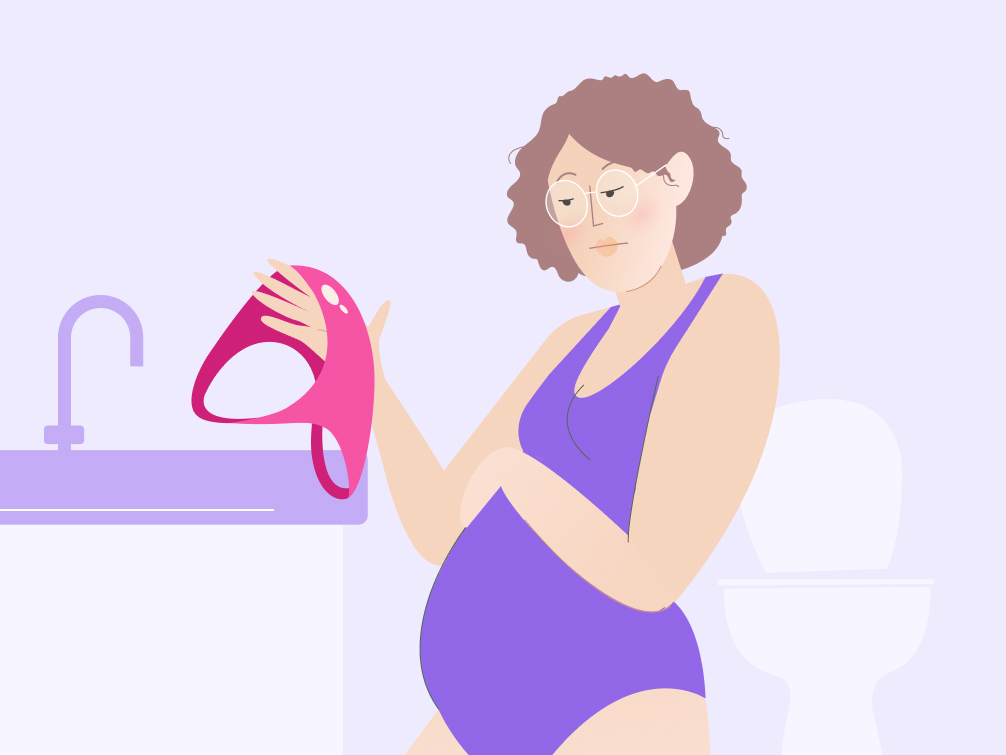
- Tampons should not be used during pregnancy.


- Discharge absorbing panty liner should be worn.


- The vagina should be kept dry.


-After urinating or defecating, the genital area should be wiped from front to back.


- Instead of wearing tight jeans and nylon panties, you should use cotton.


- Probiotic foods and complementary foods that are safe to consume during pregnancy should be consumed. Which prevents the balance of bacteria in the vagina from getting worse.


Nutrition during pregnancy: what to eat, what not to eat?

 Nutrition during pregnancy: what to eat, what not to eat?


Pregnancy women experience physical and emotional changes. During these changes, nutrition is the most essential element for the development of the mother and the baby growing in the womb. Because, the nutritious food consumed by the mother during pregnancy determines the physical condition of the baby.


Why is nutrition necessary during pregnancy?


Overall development of the child: From the shape of the child, the development of all the organs is due to the mother's diet. In this case, pregnant women need elements like folic acid, iron, calcium, iodine and omega-3 fatty acids to play a role in the overall development of the child.


These foods help reduce the risk of health problems during pregnancy and after delivery, such as anemia, constipation, high blood pressure and diabetes.


'Even desire can interfere with a healthy diet'


Even though women are aware of the importance of nutrition during pregnancy, hormonal changes can interfere with eating.


Nausea: For some women, early morning vomiting during pregnancy can make it difficult.


In this case, you may not feel like eating food, but you should not stop eating. The amount of food is less than other times but can be eaten frequently. And food should be digestible. Nutrients such as fiber, protein and carbohydrates should be eaten in that food. Which provides energy and helps reduce vomiting.


Wanting to overeat some food and not wanting to look at anything


Hormonal changes during pregnancy can cause the mouth to water at the thought of food and headache after seeing a food. In this case, eating too much food that you like to eat and not eating food that contains nutrients can affect the balance of nutritious food.


Also read this

Pregnancy: I feel nauseous, I don't like food, what should I do?

Must eat food


One of the causes of preterm birth in this situation is vitamin D deficiency. To supplement it, you can eat vegetables, fruits, whole grains, almonds, fish and olive oil.


Another is to eat enough omega fatty acids. Babies of women who take omega supplements have better visual and sensory development up to one year.


Folic acid should be taken not only during pregnancy but also three months before conception. Folic acid is a B vitamin. Which helps to make the baby's DNA and cells.


Green vegetables: Green vegetables, cabbage and broccoli can be beneficial during pregnancy. In this case, raw vegetables can be harmful.


Dairy products: Dairy products including milk, curd, curd and ghee are essential for pregnant women. Which provides protein and calcium for the development of the child during pregnancy.


Fruits: Fresh fruits keep both mother and baby healthy during pregnancy. Apples, melons, pomegranates and other seasonal fruits are beneficial.


Dry fruits: Eating dry fruits during pregnancy is very beneficial. Almonds, walnuts, cashews and other foods are rich in various vitamins, calories, fiber and omega three fatty acids. It is necessary for both mother and child.


Egg: Egg is a nutritious food. Eggs contain high amounts of protein, cholesterol, vitamin D and antioxidants, which are essential for pregnant women.


Whole grains: Pregnant women can include whole grains like oats, brown rice in their diet.


Plenty of water: Drink at least four liters of water a day. which does not allow the mother to become dehydrated. It keeps the body healthy and removes toxins from the body.


Also read this

Pregnancy: Eight Myths and Truths

How can vegetarian pregnant women complete the nutrients?


Vegetarian pregnant women can also meet their nutritional needs without eating meat. But iron, vitamin B12 and omega 3 fatty acid they may be relatively low.


It is fulfilled by supplements and some foods.


For protein, you can eat foods such as lentils, tofu, almonds and parsley seeds. Walnuts, flaxseeds, canola oil, avocados are good sources of omega-3 fatty acids. These foods should also be eaten daily.


How much to eat?


Iron: 40 grams


Protein: 65 grams


Calcium: One thousand milligrams


Folic Acid: 400 micrograms


Special attention should be paid to certain things during pregnancy.


- In this case, do not take any medicine on the advice of the doctor. In case of any health problem, medicine should be taken only after the doctor's advice and examination.


Pregnant women are advised to stay away from tea, junk food, chocolate, cigarettes and coffee.


- Alcohol, smoking and caffeinated drinks and foods affect the development of the fetus and increase the risk of miscarriage.


- During pregnancy, it is recommended to consume zero amount of alcohol and 200 mg of caffeine per day.


- Pregnant women should not consume raw fruit. It contains chemicals that harm the fetus.


- Don't eat stale food. Because there are bacteria like salmonella, listeria and e-coli, due to which women can get food poisoning.


- Daily light exercise is necessary. 

What should you pay attention to in the ninth month of pregnancy?

 What should you pay attention to in the ninth month of pregnancy?


The ninth month of pregnancy is the month when the baby is born. Therefore, by the time it reaches the ninth month, a lot of changes have taken place in the body of a pregnant woman.


At this time, health problems such as stomach ache, sometimes the stomach feels like a hard rock, even after drinking a little water, there is a sudden urge to urinate, but little urine comes out. Similarly, the movement of the baby inside the stomach is a little less than before.


Pregnant women may have different problems at this time. But usually in the ninth month, the problem of back pain due to the big stomach, difficulty in walking due to the baby's head coming down, lack of appetite, stomach cramps even after eating a little.


Things pregnant women should be aware of


Suzuki Dashain Offer


Especially at this time, if water flows from the genitals, blood appears along with the water, and the movement in the baby's stomach is very low, you should see a doctor immediately.


Is it necessary to take any medicine at this time or not?


Iron and calcium supplements should be taken regularly during pregnancy. In addition, the doctor prescribes other medicines after looking at the condition of the pregnant woman.


What women who are taking medication for chronic diseases should pay attention to


Especially at this time, medicine should be taken under the supervision of a doctor. Do not self-medicate. Because the dose of chronic disease medicine may need to be increased or changed according to the condition of the pregnant woman.


Taking chronic medicine does not have any negative effect on the unborn child. Because doctors have classified drugs as A, B, C, D and E according to the condition and disease of pregnant women. Medicines are given accordingly. Similarly, some people have high blood pressure before, while some people have it after pregnancy.


What should you pay attention to when taking long-term medicine during pregnancy?


Pregnant women who are taking medication for chronic diseases should take the medication under the supervision of a doctor. Because some chronic disease drugs have many side effects and some drugs have less side effects. Likewise, if a pregnant woman has diabetes, eating less sugary, greasy, and bitter foods along with medication, and eating little by little but in short bursts can keep diabetes in balance.


What medicine should not be taken during pregnancy?


There is no drug that should not be taken during pregnancy. Rather, it is about what medicine to take and how much to take for what purpose. But you should take the doctor's advice while taking medicine. Self-medication can be dangerous.


What to do if you are constipated during pregnancy?


Constipation can occur due to diet, lack of water in the body during pregnancy. At this time, as the body's hormones are changing, as well as having to take iron and calcium medicine regularly, constipation can be a problem.


In such a situation, you can eat plenty of green vegetables, vegetables, fruits, pulses, eat plenty of fiber foods, exercise regularly, and drink at least two liters of water every day with meals. In the same way, instead of lying on your back, if you are careful not to stand for a long time, you can use medicine if constipation is not cured.


It is better to avoid constipation during pregnancy as much as possible. For that, you can avoid eating greasy, bitter, sour food, not consuming junk food, drinking plenty of water, and eating plenty of fiber-rich foods.

From fruit to coffee, these foods are best not to eat during pregnancy

From fruit to coffee, these foods are best not to eat during pregnancy


During pregnancy, some people have a craving for sweet foods. Some people like to eat sweet and sour, some like sweet. At this time, the brain produces neuropeptide hormones, which work to stimulate hunger.


According to the geography, their choice will be different. Generally, women in western countries like sweet foods like ice cream and cakes. Women in eastern countries like sour, bitter and bitter foods like spicy, turkey.

However, eating fancy foods during pregnancy is not so appropriate.


Because the mother's diet has a direct effect on the child growing in the womb. Therefore, you should be careful about what you eat or what you don't eat at this time.


1. fruit


Fruits should not be eaten during pregnancy. Nuts contain 'benzyl isothiocyanate', due to which excessive consumption can be toxic to the body.


In this case, if a pregnant woman eats the fruit, there may be a risk of miscarriage. Even raw fruit should not be eaten during pregnancy. Enzyme found in raw fruit helps in uterine contraction. Because of this, there is a higher risk of miscarriage.


2. Smoking and drinking


Smoking and drinking alcohol during pregnancy can be a risk for the baby. The chemicals in cigarettes shrink the blood vessels in the uterus, which can cause the baby to be underweight in the womb, cause labor pains before the due date, and hinder the development of the penis.


Drinking alcohol can be even more dangerous. It can lead to mutilation of the body in the womb.


3. Caffeinated foods


Most people prefer to drink coffee, but pregnant women are advised to consume less caffeine. According to health experts, pregnant women should consume less than 200 milligrams of caffeine per day.


Caffeine dissolves quickly in the body and reaches the umbilical cord. A fetus does not have metabolic enzymes due to which it can be harmed. Consuming too much caffeine during pregnancy can hinder the baby's weight and growth.


4. Junk food


During pregnancy, you should eat only foods rich in nutrients for the development of the baby.


You should stay away from junk food during this time. Because junk foods lack nutrients and are high in sugar and calories. Eating junk food leads to nutritional deficiency. Also, weight increases quickly and this can cause many problems during delivery. During pregnancy, your diet should include plenty of fruits, green vegetables, protein, folate and iron.


5. Raw eggs and undercooked meat


There are some meat-based foods like kachela, which are not fully cooked. Such foods should not be eaten during pregnancy.


Most of the bacteria are found on the surface of the meat while some are found inside the meat. Therefore, eating raw or undercooked meats is also harmful for pregnant women. Its consumption can cause neurological diseases in the unborn child by infecting many types of bacteria such as Toxoplasma, Listeria and Salmonella.


Similarly, some people also eat raw eggs saying that they are more nutritious. Raw eggs have more nutrients than cooked eggs. However, it is better not to eat raw eggs during pregnancy. Because raw eggs contain salmonella bacteria. Which can cause fever, vomiting, abdominal pain and diarrhea. In some cases, this infection can cause uterine cramps, which can lead to premature birth.

Why do teeth and gum problems occur during pregnancy?

Why do teeth and gum problems occur during pregnancy?


It is equally important to take care of teeth and mouth during pregnancy as well as overall health. Hormonal changes during pregnancy increase the problem of teeth and gums in women. If the health of the mother's mouth is not good, it can also affect the development of the child's teeth and gums. Therefore, pregnant women need to take special care of their teeth and gums.

What is depression in pregnancy? Know causes, symptoms, and treatment

What is depression in pregnancy? Know causes, symptoms, and treatment


Depression is a problem that anyone can be a victim of. This problem can also be seen during pregnancy. The risk of developing depression in pregnancy is about 4 to 20 percent. This problem can be due to many reasons, which the pregnant and unborn baby can be harmed. Therefore, you must know the important things related to depression in pregnancy. In this article, we are explaining in detail the causes, symptoms, and treatment of depression in pregnancy. Apart from this, other important information related to this will also be shared with you.

Popular Posts