Showing posts with label long. Show all posts

An AI tool that predicts how long a patient might live—just by looking at their face!

 An AI tool that predicts how long a patient might live—just by looking at their face!


American researchers have developed an AI tool called "FAHR-FaceSurvival" that can estimate a patient's remaining lifespan based on images of their face.

Scientists have created a tool designed to help doctors gauge the severity of a patient's health condition by examining their face. The American researchers stated that they trained this tool using images of millions of healthy individuals, as well as 35,000 images of cancer patients.


They claim that the tool can estimate how long a patient might live by conducting a detailed analysis of specific areas, particularly the region around the eyes.


According to the researchers, the tool is not yet ready for use in clinical settings; significant further work is required. The scientists explained that the tool is intended to assist doctors in determining the most appropriate treatment for a patient.


Preliminary findings from the study have been published in *The Lancet Health* journal.


Which part of the face provides the most information?


The AI ​​tool is named "FAHR-FaceSurvival." According to the tool, two specific areas of the face are the most critical for estimating an individual's potential lifespan: the area beneath the eyes and the upper part of the nose, located between the eyes.


When estimating a patient's life expectancy, the tool places the greatest emphasis on these specific facial regions. According to researchers, these indicators have proven useful across various types of cancer. The tool has been found effective even in patients with cancer ranging from mild to very severe, including cases where the cancer had spread to the bones or the brain.


Most of the images of cancer patients used to develop this tool came from individuals in the United States and the Netherlands, aged between 50 and 70. However, the study also included some children and patients over the age of 90.


Physicians already conduct various tests and health screenings to assess a patient's current condition and predict their future health status. A patent application has been filed for this AI tool, though it has yet to be approved. Scientists emphasize that the tool is designed to assist physicians rather than replace them.


Dr. Raymond Mak, a lead researcher at Mass General Brigham hospital in Boston, USA, notes that as human life expectancy increases, physicians require additional support to select the most appropriate treatment—whether it be radiation therapy, surgery, or systemic medical treatments.


According to Dr. Mak, the tool helps physicians assess a patient's remaining physical strength and their level of frailty.


Dr. Mak explains that the researchers' goal is to make health assessments based on facial images more accurate, consistent, and applicable to larger populations. This can assist in selecting treatments tailored to each patient's condition, but it does not replace a physician's clinical judgment.


Another AI Tool for Estimating Biological Age


Mac and his colleagues are also testing another AI tool, which estimates an individual's biological age. In other words, rather than determining age based on a date of birth, it assesses how old a person appears based on their physical appearance—specifically their body and face.


This tool is called "FaceAge."


According to the tool, the skin beneath the nose and around the mouth can provide useful indicators regarding the rate at which a person is aging. This includes the lines extending from the nose to the corners of the lips, as well as the lines running from the corners of the mouth toward the chin. Additionally, wrinkles on the forehead and around the eyes, along with the appearance of the temples and cheeks, can offer insights into the aging process.


Dr. Mac notes that the tool has yielded "remarkably consistent" results across various types of photographs taken in everyday settings. Variations in photography techniques, lighting, facial expressions, or the use of makeup did not significantly alter the results.


The tool was also tested in the context of various plastic surgery procedures. In most cases, the results remained largely stable; however, some changes were observed following rhinoplasty—surgery performed to alter the shape of the nose. ‘It’s in the early stages; more data is needed’


Although these results are encouraging, researchers state that more data—specifically images of faces from a diverse range of individuals—is required to accurately evaluate the effectiveness of these tools.


In particular, more images of people from various ethnic groups are needed. Neither tool is fully developed yet; work to further improve them is ongoing.


The research team is also inviting the general public to participate in this study. Interested individuals can send a photograph of their face to the researchers to receive a personal estimate of their biological age.


Professor Miroslav Bober, an expert in video processing and machine learning at the University of Surrey in the UK, notes that it is premature to claim that these tools can monitor the aging process over time or track changes resulting from lifestyle adjustments.


“This is a promising experiment in its early stages, but it is not yet ready for clinical use,” he said.


According to him, the results generated by these tools need to be compared against the professional assessments made by physicians. Furthermore, [data from] various hospitals and... It should also be tested on patients from different groups.

Ways to keep Dashain meat healthy and safe for a long time

Ways to keep Dashain meat healthy and safe for a long time


During the festival season, many homes have an abundance of meat. If it is not properly preserved, it can spoil.

Clean equipment should be used while slaughtering and cleaning meat, and storage should be done at a temperature below 4 degrees Celsius.

The minimum internal temperature should be maintained at 62.8 degrees Celsius when cooking meat.

Now is the festive moment of Dashain. Those who are away from home for work and study have started returning home and gathering. How many people are traveling? How many are preparing for the trip? Meat is the most consumed food during Dashain family gatherings. Except for vegetarians, most people eat meat like every meal during Dashain.


Most families slaughter animals at home and store plenty of meat. At this time, every house has an abundance of meat. In this situation, if the meat is not stored properly, there is a risk of spoiling. And the meat can become poisonous. Consuming such meat can cause various health problems.


Improper slaughterhouse practices and methods, poor hygiene, and improper and inadequate meat preservation methods for large quantities of meat can create a breeding ground for harmful bacteria, which can cause unpleasant and sometimes serious illnesses.


To avoid such problems, special care must be taken from the time of slaughtering the animal to its other processes, storage, and even cooking.


Food poisoning from contaminated meat is mainly caused by microorganisms such as Salmonella, E. coli, and Campylobacter. It can have mild to severe symptoms.


Symptoms


- Nausea, vomiting


- Diarrhea


- Abdominal pain


- Fever


In vulnerable people, such as young children, the elderly, and those with weakened immune systems, food poisoning can have serious consequences.


How to slaughter safely?


For many, the Dashain tradition of slaughtering goats or other animals at home is a tradition. If this practice is not done hygienically, it can be a major source of infection in the meat.


-The designated place for slaughter should be clean and away from household waste and drains. There should be a place where the animal can be cleaned again after slaughtering.


-Make sure that the animal prepared for slaughter is healthy.


-Plenty of clean water should be provided for washing hands, tools and meat. Tools should be washed thoroughly with soap and hot water before and after using them.


-The person performing the slaughter should also pay attention to hygiene. Meat can be contaminated by a dirty person.


-People with contagious diseases (cold, fever, dysentery, etc.) should not participate in this activity.


-The intestines and internal organs should be removed carefully. When removing the internal organs, be very careful not to pierce the intestines, as this can spread feces and bacteria to the meat.


-After cooking, meat should be cooled to below 4°C as soon as possible to prevent bacterial growth. This can be done by using a refrigerator or clean ice.


Kitchen Safety


Once meat is brought into the kitchen, special care should be taken to prevent contamination. Maintaining good hygiene is important to prevent such problems.


Keeping raw meat and other vegetables separate


Use separate chopping boards, knives and utensils for raw meat and other foods, such as vegetables and salads. This will prevent harmful bacteria from being transferred from raw meat to ready-to-eat items.


-Always wash your hands thoroughly with soap and water before and after handling raw meat.


Cooking to the right temperature


Most harmful bacteria are killed when cooked thoroughly. When preparing dishes, meat should be cooked thoroughly, especially until the pink color is gone.


For large cuts of meat, the recommended minimum internal temperature is 62.8°C. The best way to measure the temperature is to use a food thermometer.


Storing for later: Modern and traditional preservation


When a large amount of meat is available, how to store it properly?


Meat storage methods


1. Freezing


Fresh meat can be stored in the refrigerator at a temperature of 4 degrees Celsius or lower and consumed within a few days. For long-term storage, the meat should be frozen. For this, it should be cut into the required pieces, filled with packaging plastic, sealed and placed in the freezer.


The refrigerator used for storing meat must be in good condition. Meat can be contaminated and spoiled in a dirty refrigerator. If the meat is kept in this way, it can be stored for a long time.


2. Preserving cooked meat in fat


This method is called confiting in English. In this method, the meat, especially goat, pig or duck meat, is well marinated and then immersed in its own fat. The fat acts as a protective seal. The meat can be taken out when needed and prepared in various dishes as desired. No refrigeration is required for this.


3. Salting


This method is used especially in Western countries. In this, raw meat is salted heavily and hung in a dry, cool place or stored in the refrigerator at a temperature of 4 degrees Celsius. Before using such meat, it should be washed thoroughly in water to remove the salt.


4. Making Sukuti


This is a traditional Nepali method of preserving meat for a long time. Many Nepalis used to make long pieces of Dashain meat and hang it over the fire. Even today, meat can be seen being stored in this way in rural areas.Once the meat is well dried, it will not spoil even if kept for a long time.


To make suketi, the meat should be cut into thin and long pieces. This will allow it to dry evenly. It is best to dry it in a well-ventilated place, covered with a net to protect it from flies. The meat should be completely dry and hard before storing. Meat dried in a slightly smoky place will last longer.


5. Making Pakku


Pakku is a traditional Nepali meat dish. It is mainly made from goat or cow meat. The method of making it is special. The pieces of meat are marinated in spices such as ginger, garlic, cumin, and coriander and placed in a pot. Then, without using water, the meat is cooked in its own fat and juices at a low temperature for a long time.


When cooked in this way, the meat melts completely, becomes very soft and tasty, and its color is dark brown or black. Since it is cooked in its own fat without adding water, it does not spoil for many days.


It can be made into a broth and gravy as per the requirement. It can also be eaten with rice and curries. The pakku prepared in this way can also be stored at normal room temperature. If kept in the refrigerator, it will not spoil for many more days.


Do not eat too much


Consuming too many fatty and spicy meat dishes can cause digestive problems. To facilitate the digestion process, plenty of fresh vegetables, salads, and fruits should be included in the diet.


Drink plenty of water


Drink plenty of clean water throughout the day.

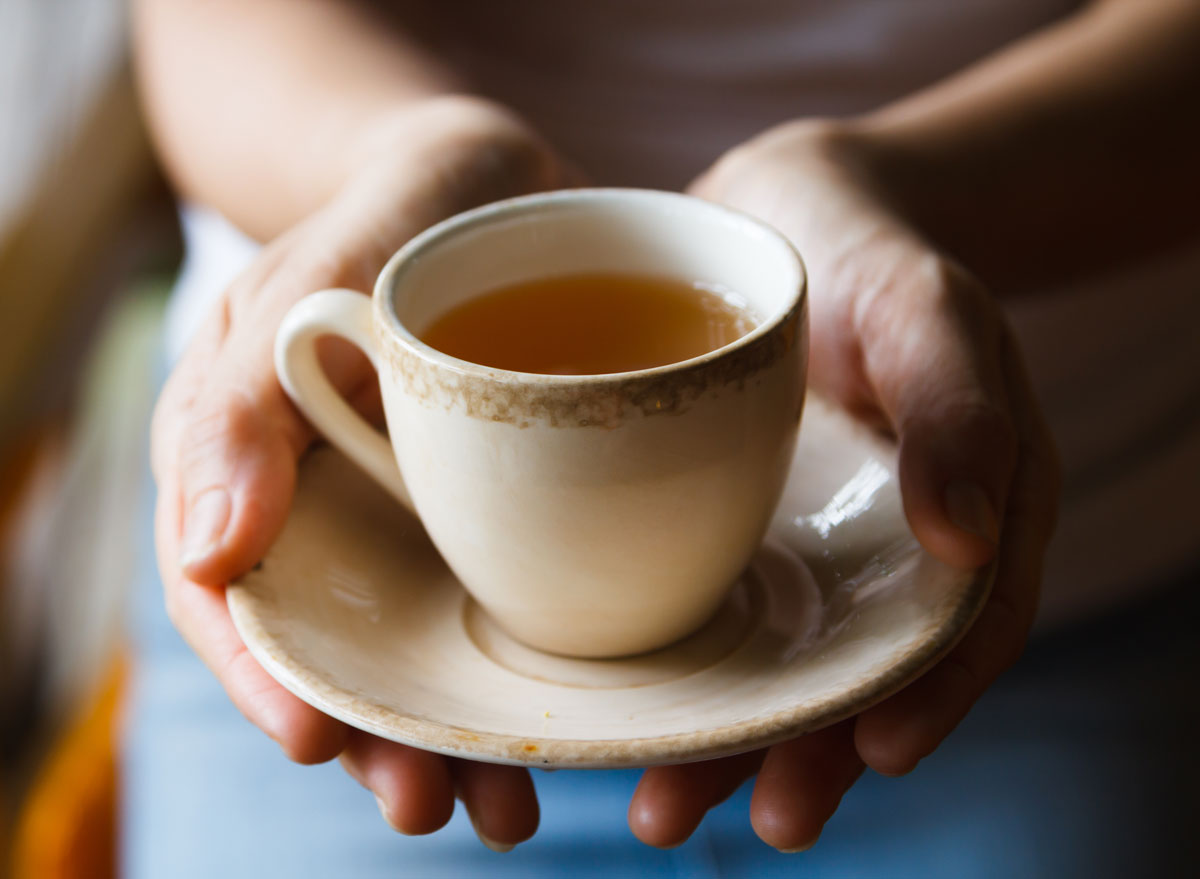
Why is it harmful to drink tea that has been boiled for a long time?

 Why is it harmful to drink tea that has been boiled for a long time?


Starting the day with a sip of sweet tea is a common practice in South Asian countries including Nepal and India. Drinking tea is very common in these countries. There are also different ways of making tea according to geography and climate. Every person makes tea according to his taste and enjoys it.


According to an article published in Navbharat Times, every house in India makes a lot of milk tea. The same applies to Nepal. Most people follow this one method of making tea, steeping the tea leaves in water and boiling them for a long time.


Many people think that if tea is boiled for a long time, its taste will be sweet. Some people also boil milk and tea leaves together. But many people do not know that boiling tea for a long time is harmful to health.


According to Indian nutritionist Shikha Aggarwal Sharma, there are many benefits of properly brewing tea. Drinking properly brewed tea helps to increase immunity, reduce weight, and control blood sugar levels. But since tea leaves contain caffeine, boiling them for a long time is harmful, says nutritionist Agarwal.


Risk of cancer


According to experts, tannins are abundant in tea. It is a group of polyphenolic biomolecules, which are found in fruits, vegetables, nuts, wine and tea. Tannin is a molecule that is abundant in tea and coffee. It binds together protein, cellulose, starch and minerals. As a result, the body becomes deficient in iron. Boiling tea for more than four minutes increases the amount of tannin, which inhibits iron absorption. In addition, if the tea is boiled too much, the nutrients in the tea will also decrease. Tea cooked in this way increases acidity in the body. If you drink too much of this tea, it also causes the risk of cancer.


Nutrients are low


Nutrients and minerals are found in tea leaves. It contains flavonoids, catechins, polyphenols, potassium, phosphorus, magnesium, copper, zinc, calcium and fluoride. According to experts, boiling tea for a long time reduces the nutrients found in tea leaves and milk. Vitamin B12 and C found in it are also low.


Inhibits iron absorption


According to experts, if the tea is boiled for a long time, the tannin content in it is reduced. This element is found in some fruits, vegetables and nuts. Boiling tea for a long time will hinder the absorption of iron. Which can reduce the amount of blood in the body.


Stomach problems


Boiling tea leaves and milk for a long time destroys the protein found in milk. Because of this, due to problems in digesting milk, stomach ache, acidity problem, flatulence, gas filling may occur. After boiling the tea with milk for a long time, it will smell bitter even after drinking it.


Too much boiling of tea leaves and milk together is harmful


At high temperature, a chemical reaction takes place with milk's lactose protein. If you drink it in excess, it will produce harmful substances in the body. If these two are mixed and boiled for a long time, a substance called acrylamide can be formed in milk. It is high in carbohydrates. Acrylamide can also cause cancer.


So what is the right way to make tea?


According to experts, boiling tea leaves in high-temperature water for two minutes increases the amount of polyphenols found in them. Boiling more than this will make the quality of the tea worse.


There is no benefit to over-boiling, it makes the tea taste bitter. To increase the taste and benefits of tea, it is important to follow the right method of making tea.


The right way to make tea


– Boil a pan of water and again turn off the gas (any means of fire).


- Put a teaspoon of tea leaves in it and cover it for three to four minutes.


- Now add a little milk and sugar according to your taste and enjoy the tea.


How does one live a long life?

How does one live a long life?


People are afraid of death. Death is certain, but people want to live as long as possible. Therefore, people have done many researches and studies on 'how to live a long life' and have also taken out possible solutions for it.

Popular Posts