Showing posts with label has. Show all posts

Has the role of the health system against gender-based violence been exhausted?

 Has the role of the health system against gender-based violence been exhausted?


One-stop crisis management centers are operating in 97 hospitals across the country to provide health care and legal assistance to victims of violence.


To make the campaign against gender-based violence effective, it needs to be permanently included in the organizational structure of the Ministry of Health and Population.


Any type of humiliating, painful or threatening behavior that occurs or may occur on the basis of gender is gender-based violence. The act of pressure, coercion or arbitrary deprivation of freedom also falls under gender-based violence.


Gender-based violence is deeply embedded in our society. It begins at the fetal stage. Abortion based on gender identity is the first stage of violence. Family and social discrimination during childhood and adolescence is the next stage.


After this, discrimination occurs at the reproductive age, sexual violence or discrimination is deprived of property and resources in old age.


A question that always arises in everyone's mind: Are only women victims of violence?


Answer: ‘No’.


Men and sexual and gender minorities are also victims, which is also confirmed by the data available in our regular health system. About 10 percent of those who seek services from one-stop crisis management centers due to gender-based violence are men. About 3-4 percent are sexual and gender minorities, while the rest are women. Even when analyzing this data, women are more likely to be affected.


Gender-based violence is an issue related to public health, human rights, and social justice. Domestic violence, sexual violence, child marriage, human trafficking, harmful traditional practices, and other forms of gender-based violence have long-term effects on women’s physical, mental, social, and sexual and reproductive health.


More than 60 percent of violence is perpetrated by acquaintances and acquaintances. Violence against women can occur in the public, private, and at any time in life.


There is a gender inequality gap in society. Different gender identities are also a major cause of discrimination. According to the Nepal Demographic Health Survey 2022, 23 percent of women aged 15 to 49 in Nepal have experienced physical violence.


The report states that 8 percent of women have experienced sexual violence in their lifetime. 27 percent have experienced physical, mental or sexual violence in their lifetime. 17 percent of women have experienced violence from their partners in the last 12 months. Of the women who have experienced sexual violence, 58 percent have neither told anyone about their pain nor sought any kind of help.


Similarly, the report shows that 14 percent do not seek help even if they tell someone, such as a friend or neighbor, about their pain. However, 28 percent of women seem to have sought help after violence. Since health institutions are the first contact and service center for victims of violence, the role of the health sector is not limited to treatment alone, but also includes psychosocial counseling, forensic evidence collection, safe referral, rehabilitation and multi-sectoral coordination, implemented by the Government of Nepal through the One-Stop Crisis Management Center (OCMC).


What is the One-Stop Crisis Management Center?


It is a multi-sectoral service system that provides free access to health care and other essential services to victims or affected persons through a single door. Through this, victims are provided with emergency health care, mental health and psychosocial counseling, forensic examination, legal aid, safe shelter, and effective referral services to the police, judicial bodies, and social rehabilitation services as needed.


The OCMC, which operates with the privacy, dignity, safety, and rights of the victim at the center, has been playing a significant role in making the health response to gender-based violence effective, accessible, and coordinated.


Is it necessary or not to provide the role of the health system against gender-based violence in the organizational structure of the Ministry of Health and Food Hygiene?


Currently, 97 hospitals across the country have one-stop crisis management centers, which is a significant achievement. This achievement needs further strengthening of its leadership, coordination, monitoring, and program management in the federal structure. This issue does not seem to have found a place in the newly approved structure of the Ministry.


It is necessary to make policy arrangements to effectively implement the right to health, gender equality, the right to a life free from violence guaranteed by the constitution, and the commitments made by Nepal at the international level.


The main foundations of which are presented below:-


- The health sector is the first and most important service point for victims of gender-based violence, which cannot be done by other sectors.


- A permanent structure is necessary to make services including the One-Stop Crisis Management Center sustainable and institutionalized.


- There is a need for clear leadership and coordination of this issue and the One-Stop Crisis Management Center service between the federal, provincial, and local levels.


- It is necessary to coordinate the role of the policy level to provide integrated management of health services related to gender-based violence, mental health, sexual and reproductive health, and forensic services, etc.


A health structure with clear responsibilities of the health sector is necessary for the implementation of national and international commitments, because since no single sector can cover the campaign against gender-based violence, it is called multi-sectoral.


Sarkar The response that the health sector has so far provided is only 28 percent of the access to the One-Stop Crisis Management Center, which is being provided by the health sector. This tells us that there is still work to be done.


To date, among the sectors that have presented some progress and achievements on behalf of Nepal in international forums on gender equality or gender-based violence, the One-Stop Crisis Management Center system and service is also a major achievement.


If this issue is not included in the structure of the health sector for a policy and coordinating role in the federal structure of such an important service, it will be a leadership crisis for this sector itself.


Health response to gender-based violence is an integral part of the health service system. Therefore, it is necessary to institutionalize it within the permanent organizational structure of the Ministry of Health and Food Hygiene, not as a project or temporary program, with clear responsibilities, sufficient human resources, a sustainable budget, and an effective monitoring system.

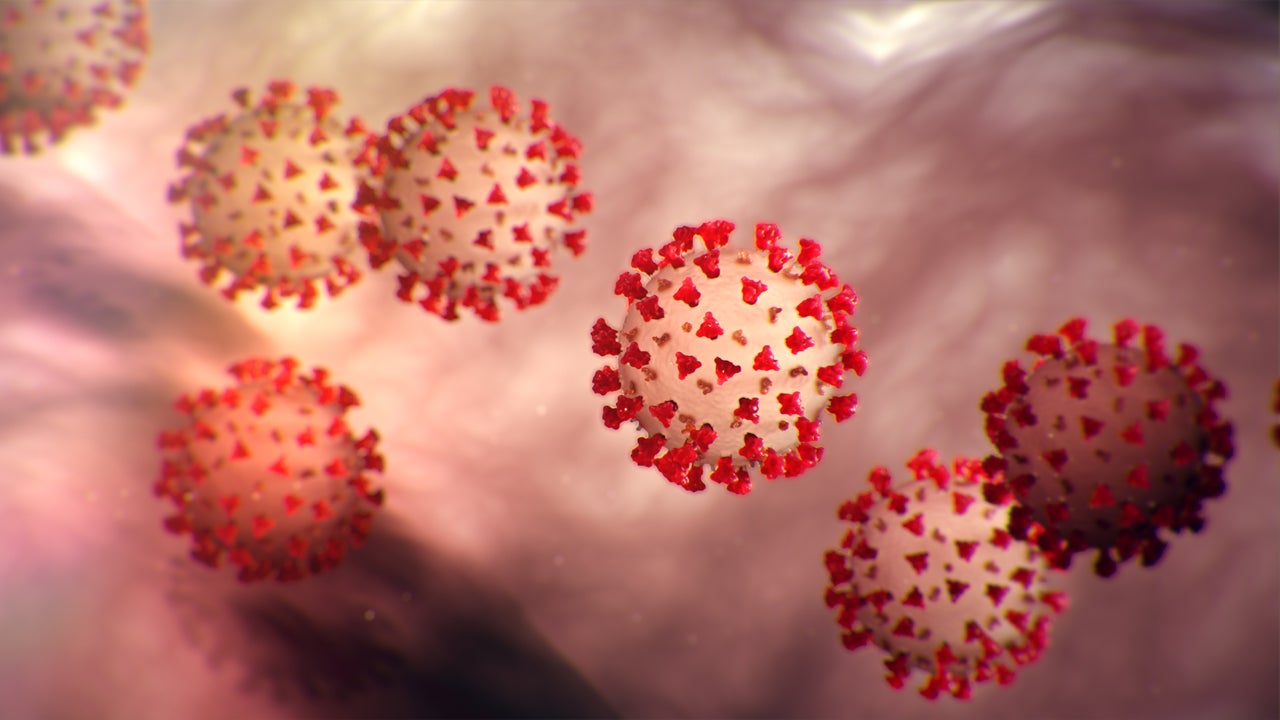
How at risk is Nepal from the Hanta virus that has swept the world?

 How at risk is Nepal from the Hanta virus that has swept the world?


Since the initial symptoms of many infectious diseases are very similar to each other, laboratory tests are helpful in distinguishing the infection.


According to the World Health Organization, 3 out of 8 people have died from Hanta virus seen on a cruise ship.

Although Hanta virus is transmitted through the feces, urine or saliva of infected rats, it has been confirmed that the 'Andean' species can be transmitted from person to person.

Nepal is at risk of Hanta virus, but even if it has not been confirmed as an outbreak, regular testing and research are necessary.

Recently, the Hanta virus seen on a cruise ship has swept the world. According to the information published by the World Health Organization a few days ago (on May 8), 3 out of 8 people have died.


That is, about 38 percent of the infected have died. This human-to-human transmission is considered very rare, but currently, dozens of cases on cruise ships have become a matter of concern and interest.


At the time of writing, the main source of infection is unknown. Information on the circumstances under which it spread from person to person is yet to be released.


Hantavirus can be transmitted to humans through contact with the feces, urine, or saliva of infected rats. Even if an infected rat does not show symptoms, it can still cause death if it infects humans.


The mortality rate of the Hantavirus strain seen in the Americas is many times higher than that of the Hantavirus strain seen in Europe and Asia, which is about 50 percent. Recently, a cruise ship has seen a mortality rate of about 38 percent. The World Health Organization has reported that the mortality rate of the Hantavirus strain seen in Europe and Asia is up to 15 percent.


Although Hantavirus is said to be transmitted only through the feces, urine, or saliva of infected rats, the ‘Andean’ strain of Hantavirus can be transmitted from person to person to some extent.


The Hantavirus strain currently circulating on cruise ships has also been confirmed by gene sequencing to be ‘Andean’. Hantavirus is mainly divided into two types based on symptoms, which also vary according to geographical location.


First, Hanta pulmonary syndrome and second, hemorrhagic fever with renal syndrome.


Hanta pulmonary syndrome is mainly seen in the Americas, while hemorrhagic fever with renal syndrome and Hantavirus are seen in Europe and Asia.


Hanta pulmonary syndrome is characterized by symptoms such as fever, chills and dizziness, muscle pain, diarrhea, nausea or vomiting, abdominal pain, and low blood pressure. If it becomes complicated, coughing, difficulty breathing, chest tightness, and pneumonia may occur.


These symptoms may appear within one to six weeks of infection.


Hemorrhagic Fever with Renal Syndrome Hanta virus causes chills, stomach pain, headache, nausea, blurred vision, red eyes, and later complications, bleeding, and there is a risk of kidney failure.


These symptoms appear one to two weeks after infection, and sometimes up to 8 weeks. This Hanta virus is seen in Asia, especially in countries like China, Korea, Japan, and Russia. Research articles have also been published that Hanta virus has been seen in neighboring India. But there is no information that it has taken the form of a major outbreak.


Is there a risk of Hanta virus in Nepal?


Hanta virus is transmitted when it comes into contact with rat feces, urine, or saliva. Rats are seen in significant numbers in all villages and cities in Nepal.


The number of people who come to Teku Hospital for treatment of rat bites is also high. Most people with such problems do not come to the hospital. There is a lot of contact between humans and rats in Nepal too.


Hundreds of scrub typhus cases are reported in Nepal every year. The main source of scrub typhus infection is the mite found in rats. This also clearly shows that the risk of any infection that can be spread by rats in Nepal is high.


Hanta virus is no exception. In 2017, a tourist fell ill and was admitted to the ICU immediately after returning to his country after visiting Nepal. A research article was published stating that the person had been diagnosed with hanta virus. This was published in an American medical journal in 2020.


This also indicates that the risk of hanta virus is present in Nepal.


However, as in India, there is no confirmation of an outbreak in Nepal yet. Since this infection is not included in routine laboratory tests, we are unaware of the status of hanta virus in Nepal.


Blood tests of tourists infected with hanta virus in Nepal show a decrease in platelet count and an increase in liver enzymes, which the author has experienced is also widely seen in fever patients in Nepal.


However, the possibility of Hantavirus seems to be overlooked when sending for diagnostic tests for limited infections. Since a large number of fever patients are still not diagnosed in Nepal, there is a need to increase the scope of testing.


In the case of a new infection or a first-time infection, testing for that infection should also be included in routine testing. Since the initial symptoms of many infectious diseases are very similar to each other, laboratory testing is helpful in distinguishing infections. Only if the infection is diagnosed can treatment, prevention, and counseling be correct.


Currently, the World Health Organization has stated that the risk of further spread of this virus is low. However, the number of infections on a cruise ship at the same time is so high. And as the problem becomes more complicated and the mortality rate is higher, it cannot be ruled out that the contagiousness and lethality of this virus has increased compared to the past.


Nepal cannot completely ignore the risk of the virus, given the confirmed research on this virus and the frequent contact with rats, which is considered the source of the virus.


If national guidelines were developed in Nepal, prioritizing research on Hanta virus, it would be useful for health workers in diagnosis, treatment, and prevention.

The wall didn't know, the mobile has ears!

 The wall didn't know, the mobile has ears!


We often listen, the wall also has ears. This saying is often used as a warning to be careful when having sensitive or confidential conversations. But in the current digital age, this has started to be experienced as a reality. It is not clear that the wall has ears, but many are now curious about whether the mobile is listening to us.


Many of us have experienced that after we talk to friends or family about a product or service, the related advertisement appears on the mobile. Therefore, many people now have the question, "Do our phones or apps really listen to our conversations?"


What is the fact that the mobile listens?


According to studies and experts, under normal circumstances, your phone does not listen to you constantly. However, some apps or voice assistants (such as Google Assistant, Siri) only activate and listen to audio after hearing a 'wake word' such as "Hey Siri" or "OK ​​Google".


Why do we see advertisements for the same product or service that we are talking about?


Rather than our phones constantly listening and showing us ads as we might expect, ads are targeted based on our internet usage, search history, location, and social media activity. That’s why sometimes ‘what we’re talking about’ and ‘ads in our feed’ coincidentally match.


How to check if your phone is listening to you


You can easily check if your phone is listening to you.


1. Think of a topic that you’re not normally interested in. No matter why you’re not interested, there’s no record of any previous searches, website visits, or conversations related to the topic.


2. After choosing a topic, sit close to your phone and talk about it. Use keywords related to the topic as much as possible. For example, if you think of the topic “boat engine,” say things like “where can I buy a boat engine?”, “which boat engine is reliable?”, “how much does a new boat engine cost?” Your words should clearly indicate a desire to buy an engine. Talk like this for a few days.


3. Then evaluate the ads that appear in your feed. This includes ads from platforms like YouTube videos, Google search, and social media feeds. If you start seeing ads related to boat engines or boats, your phone is listening to you.


What can we do?


Permission control: Go to your phone's settings and remove access from apps that don't require the microphone.

Turn off voice assistants: Disable services like Google Assistant or Siri when not in use.

Be aware: Don't install unnecessary apps, and read privacy policies when installing apps.

According to studies and experts, your phone or apps are not constantly listening to you. However, apps or voice assistants that have received microphone permission can listen to your commands. For this reason, we need to make it a habit to manage permissions consciously, turn off unnecessary services, and read privacy information.

Google has purchased land in Finland worth 27 million euros to operate its data center.

 Google buys land in Finland worth 27 million euros to open data center


Google has purchased land in Finland worth 27 million euros to operate its data center.


According to a government press release, Google has been operating data centers in Finland since 2011.


Google built its first data center in Finland in 2009 in Hamina, a city 145 kilometers east of the country’s capital Helsinki. The data center currently employs about 400 full-time employees.


According to local media reports, in May this year, the American tech company announced a new investment of 1 billion euros to expand its Hamina campus, which is expected to create additional jobs over the next two years.


This is how to share your live location on Instagram


The popular social media app Instagram, owned by Meta, has released a new feature. With this new update, users can now share their current location with their friends.


This feature, which has been available on Meta's other messaging platform WhatsApp for a long time, has also been added to Instagram by the company. Instagram's live location sharing feature is integrated into Direct Messages, which are accompanied by sticker packs.


Live location can be shared on Instagram with stickers and nicknames. That is, you can share your location with your friends in messages with a nickname different from your name. According to the Instagram update, live location can be shared for a maximum of 1 hour.


This new feature of Instagram will be especially useful for users who often have gatherings and parties or want friends to gather at a specific place.


How to use the live location feature on Instagram?


First of all, update the Instagram app

Then go to Direct Message

There you will see various stickers, from there select the sticker with location

Then give access to the location and share it with any nickname you like.


Why is it harmful to drink tea that has been boiled for a long time?

 Why is it harmful to drink tea that has been boiled for a long time?


Starting the day with a sip of sweet tea is a common practice in South Asian countries including Nepal and India. Drinking tea is very common in these countries. There are also different ways of making tea according to geography and climate. Every person makes tea according to his taste and enjoys it.


According to an article published in Navbharat Times, every house in India makes a lot of milk tea. The same applies to Nepal. Most people follow this one method of making tea, steeping the tea leaves in water and boiling them for a long time.


Many people think that if tea is boiled for a long time, its taste will be sweet. Some people also boil milk and tea leaves together. But many people do not know that boiling tea for a long time is harmful to health.


According to Indian nutritionist Shikha Aggarwal Sharma, there are many benefits of properly brewing tea. Drinking properly brewed tea helps to increase immunity, reduce weight, and control blood sugar levels. But since tea leaves contain caffeine, boiling them for a long time is harmful, says nutritionist Agarwal.


Risk of cancer


According to experts, tannins are abundant in tea. It is a group of polyphenolic biomolecules, which are found in fruits, vegetables, nuts, wine and tea. Tannin is a molecule that is abundant in tea and coffee. It binds together protein, cellulose, starch and minerals. As a result, the body becomes deficient in iron. Boiling tea for more than four minutes increases the amount of tannin, which inhibits iron absorption. In addition, if the tea is boiled too much, the nutrients in the tea will also decrease. Tea cooked in this way increases acidity in the body. If you drink too much of this tea, it also causes the risk of cancer.


Nutrients are low


Nutrients and minerals are found in tea leaves. It contains flavonoids, catechins, polyphenols, potassium, phosphorus, magnesium, copper, zinc, calcium and fluoride. According to experts, boiling tea for a long time reduces the nutrients found in tea leaves and milk. Vitamin B12 and C found in it are also low.


Inhibits iron absorption


According to experts, if the tea is boiled for a long time, the tannin content in it is reduced. This element is found in some fruits, vegetables and nuts. Boiling tea for a long time will hinder the absorption of iron. Which can reduce the amount of blood in the body.


Stomach problems


Boiling tea leaves and milk for a long time destroys the protein found in milk. Because of this, due to problems in digesting milk, stomach ache, acidity problem, flatulence, gas filling may occur. After boiling the tea with milk for a long time, it will smell bitter even after drinking it.


Too much boiling of tea leaves and milk together is harmful


At high temperature, a chemical reaction takes place with milk's lactose protein. If you drink it in excess, it will produce harmful substances in the body. If these two are mixed and boiled for a long time, a substance called acrylamide can be formed in milk. It is high in carbohydrates. Acrylamide can also cause cancer.


So what is the right way to make tea?


According to experts, boiling tea leaves in high-temperature water for two minutes increases the amount of polyphenols found in them. Boiling more than this will make the quality of the tea worse.


There is no benefit to over-boiling, it makes the tea taste bitter. To increase the taste and benefits of tea, it is important to follow the right method of making tea.


The right way to make tea


– Boil a pan of water and again turn off the gas (any means of fire).


- Put a teaspoon of tea leaves in it and cover it for three to four minutes.


- Now add a little milk and sugar according to your taste and enjoy the tea.


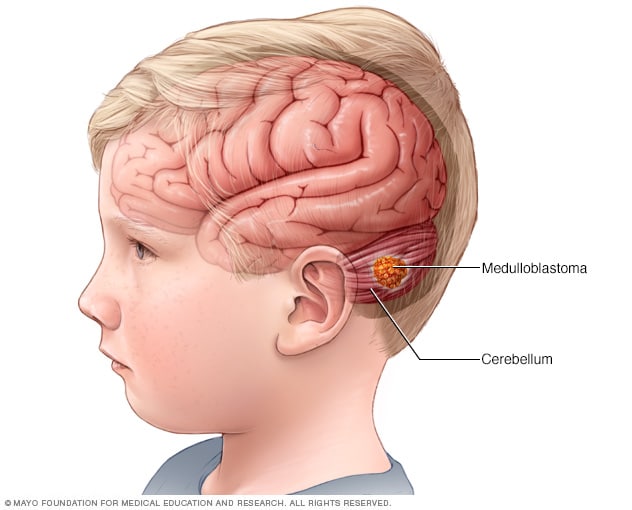
If a child has a brain tumor, what are the symptoms?

 If a child has a brain tumor, what are the symptoms?


I wish that children would not get 'brain tumor'. Because after having a brain tumor, the risk is very high for them. One is that the treatment is not easy, the other is less chance of recovery.


I have a complaint to God, why send a child with such a tumor at birth?


However, contrary to our wishes, there are many cases of tumor in children. Especially this problem has come from birth. Why is this happening? It cannot be answered exactly. Because there have been countless researches on cancer so far. However, such a great achievement has not been achieved.


Usually, the most common cause of tumor is a malfunction of Jin. Why is gin bad? The exact reason for this has not been discovered. However, there is a problem when Jin does not develop as it should in general. Gin also has its own 'coding'. Sometimes abnormal cells develop due to mismatched coding. The same cell can grow and become a tumor. And, it can take the form of cancer.


Another thing is that it is said that such a disease is passed on to one's generation by inheritance. But, if that is the case, one person has four children. Only four people do not have tumors. Maybe in one person. Why not the other three?


There is no single concrete reason or answer for this tumor to develop and become cancer. Various things may have influenced it. First a tumor was visible. Now different sub-types (sub-types) of the same started appearing. Some are cured by the same treatment, some are not.


Increased risk of tumors in children


A child's brain tumor is more risky than an adult's. There are many reasons for this. On the one hand, the child cannot express what is happening to him. The child does not say that the head is aching, the eyes are getting weak, and the hearing ability is decreasing.


If there is a child under the age of one year, the speech will not come at all. Other children also do not get the melomeso to express the bad changes that are happening in their body. That is why when they are brought to the hospital, the problem becomes complicated. The tumor has grown.


Small head, big tumor. Complex treatment, weak body. It is difficult for the child's body to tolerate tumor surgery. Again, what has been seen so far is that the tumor on the child's head is in a very awkward place. Basically three types of tumors are seen in them, which are very bad tumors.


Now the tumor is surgically removed. However, if cancer has already occurred, further treatment is uncomfortable. It is difficult to give them chemotherapy, even radiotherapy.


Are there any symptoms of brain tumor in children?


All diseases have symptoms, but how many are known, and how many are not known. Similarly, some symptoms are compatible with other diseases. So the symptoms can sometimes be confusing.


If there is any problem in the brain or the brain, the child cannot hold its head up. We keep the head upright on the strength of the neck and turn it around. However, if there is a problem in the brain, the head can be tilted. Slowly the throat can't take it. Children become weak and small.


Likewise, the child's head may grow. We don't pay much attention to how a small child's head is growing. If it is growing unnaturally, there may be a problem.


Similarly, another clear symptom is that the baby's palate is open when it is small. It is sticky or flexible. It should be covered later. Generally, the palate should start covering when the baby is three months old, and the rostrum should be completely covered by one-and-a-half years. If an infant's palate does not cover or remains open, it should be suspected that they have a head problem. Initiatives should be taken for testing and treatment.


It is important for parents to be aware of whether their child is normal or not. Why are they crying? Why are they not accepting to eat milk? Why are they not seen as normal?


What is the treatment?


Abroad, especially in developed countries, the health of the baby is checked during pregnancy. It is also seen in the mother's womb whether there is a tumor or not. If there is a tumor, what kind is it? The first or second stage tumors can be treated with surgery. Therefore, the baby's tumor is surgically removed while remaining in the mother's womb. However, if it has reached the third and fourth stage, the doctor gives advice to the parents to avoid giving birth to the baby.


However, we do not have such technology or system. Therefore, some diseases are detected only after birth. That too only after the symptoms started to appear. By the time symptoms begin to appear, treatment may be too late.


Let's say we have a brain tumor in an infant or child, the treatment is very uncomfortable and risky. It cannot be said that good results will come even after treatment.


Then what to do to prevent such a problem in the child? There is no exact answer to this either. We have also mentioned above that, despite many research studies, the root cause of cancer has not been found. However, risk factors can be reduced.


For example, if the mother smokes cigarettes, drinks alcohol, or takes drugs during pregnancy, it seems that such problems are more common in their children. So you should stay away from these things as much as possible during pregnancy. Also, is the baby or child growing naturally, growing or not? Parents should take careful care of this. Any abnormal situation in the child should be immediately alerted.

New variant of Korana also found in Noida, JN.1 variant has raised concern

 New variant of Korana also found in Noida, JN.1 variant has raised concern

Covid-19 JN.1 Variant Updates: According to the data released by the Ministry of Health, 594 new cases of Corona have been registered in the country in the last 24 hours.


Covid-19 JN.1 Variant Updates: The cases of corona virus in the country have started increasing again. According to the data released by the Union Health Ministry on Thursday, 594 new cases of Corona have been registered in the country in the last 24 hours. More new cases of corona are coming from states like Kerala, Maharashtra, Tamil Nadu. After the increase in new cases of Corona in the country, the number of active cases has increased to 2669. The government is also on alert due to the rapidly increasing cases of Corona. Let us tell you that for the past few days, cases of the new variant of Corona, JN.1, are also coming to the fore in the country. This new variant is spreading rapidly in countries like China, America and Singapore.


A case of Corona found in Noida


A new case of Corona has also been found in Noida (Gautam Budh Nagar), which is adjacent to the capital Delhi, after many months. A 54-year-old man working in a multinational company in Gurugram has been found corona positive. The local health department is now taking the history of the patient. Instructions have been given to test the people who come in contact with the patient. The sample of the corona positive person has been sent to a lab in Delhi for genome sequencing. The local health department has come into alert mode due to the first case of corona in Noida after months.


Guidelines for screening patients with viral and influenza

The government is working in action mode after a new case of Corona was found in Noida. The order from the government is that the examination of patients with symptoms of viral infection, respiratory tract infection and influenza should be a priority. Patients who have symptoms of the new variant JN.1 should also be screened after their contacts have been taken.


JN.1 Variant Symptoms - JN.1 Variant Symptoms

These symptoms are seen in patients infected with JN.1 variant-


Symptoms of influenza illness

High fever and headache

Muscle pain

sore throat

Physical weakness

runny nose

sore throat

Gastrointestinal problems

Fatigue and muscle weakness


The JN.1 variant, which has been spreading in America and China since September this year, is being said to be more dangerous than the previously found variant. This variant is formed after a mutation in the BA.2.86 variant and Pirola's spike protein. Let us tell you that the spike protein is a part of the virus, which attacks human cells. In this new variant, the ability to dodge the immune system is more than the previously found variant.


These symptoms are seen when infected with the JN.1 variant, warned the former WHO scientist

JN.1 Variant Signs and Symptoms: The JN.1 variant is composed of the BA.2.86 variant and a mutation in Pirola's spike protein.


JN.1 Variant Signs And Symptoms: For the past 3 years, the corona virus epidemic has been a headache for the whole world. In the past few days, the new variant of Corona JN.1 is spreading rapidly all over the world. The World Health Organization (WHO) has called the new JN.1 variant of Corona a 'variant of interest'. Cases of JN.1 variant are also increasing in India. Earlier, the JN.1 variant was confirmed in China, Singapore and the US. The symptoms seen in patients infected with this new JN.1 variant of Corona are not recognized at the beginning. This is the reason why patients can be identified after some time after being infected. Experts believe that the infection capacity of this variant is much higher than the previously found variant and if its infection is not controlled, it can infect many people. Let us know in detail in this article the symptoms and prevention of the new JN.1 variant of Corona.


Symptoms and signs of JN.1 variants


The JN.1 variant, which has been spreading in America and China since September this year, is being said to be more dangerous than the previously found variant. This variant is formed after a mutation in the BA.2.86 variant and Pirola's spike protein. Let us tell you that the spike protein is a part of the virus, which attacks human cells. In this new variant, the ability to dodge the immune system is more than the previously found variant.


When infected with the JN.1 variant, the patient shows these symptoms-


High fever and headache

Symptoms of influenza illness

sore throat

Muscle pain

Physical weakness

runny nose

sore throat

Gastrointestinal problems

Fatigue and muscle weakness


Former scientist of WHO said this - Dr Soumya Swaminathan on The New Covid Variant

Soumya Swaminathan, the former chief scientist of the World Health Organization, said in a conversation with a TV channel that, "It would be a big mistake to think of Covid as a common cold. The risk of mental problems increases." He further said that India is now fully prepared to fight such an infection. In order to avoid infection, special attention should be paid to the immunity of children and the elderly, and masks should be worn in public places.


358 new cases have come in the last 24 hours - Latest Covid Cases in India

According to the data released by the Union Health Ministry, 358 new cases of Corona have been registered in India in the last 24 hours. 84 percent of these cases are from Kerala alone. 300 new cases of corona have been found in Kerala during the last 24 hours. Apart from this, 3 patients have died due to corona virus infection in the country in the last 24 hours, these three deaths are in Kerala. After the registration of new cases, the number of active patients of Kovid in the country has increased to 2,669.


Corona's new variant JN.1 has appeared, know how dangerous it is compared to other variants?

Recently a new variant of Corona JN.1 has come out. According to scientists, it can prove to be more contagious than other variants.


The case of Corona has not completely stopped yet, so new variants of Kovid are being seen. Recently, a new variant of Corona, JN.1, has come out, which has increased the concern of scientists. According to scientists, it is more contagious than other variants. Not only this, it can also be harmful to the immune system.


This variant is found in many countries

According to scientists, it has also been found in England, Iceland and France. This variant was first spotted in Luxembourg on 25 August 2023. However, the good thing is that not a single case of the JN.1 variant has been confirmed in India yet. According to scientists, it is different from JN.1, XBB.1.5 and HV.1 variants. This variant can also trick the immune system. So far 10 mutations have been observed in XBB.1.5 and HV.1. At the same time, 41 changes have been made in the JN.1 variant compared to the XBB.1.5.


Characteristics of the JN.1 variant

The symptoms of this variant may also be similar to the old variants of Kovid.

Exposure to this variant may cause body fatigue and breathing difficulties.

In this situation, along with muscle pain, headache can also occur.

In such a case, along with the problems related to the stomach, the problem of phlegm can also occur.

Exposure to this variant may cause problems with taste or smell.


How important it is to take the vaccine to avoid corona

According to health experts, it is very important to get vaccinated to avoid this variant of Corona. You can avoid damage to the immune system through the vaccine. Some time ago, the updated vaccines of Corona have also become available in India. After which the Center for Disease Control and Prevention (CDC) advised people to get a new booster dose vaccine to avoid corona infection.

Cholera becoming a global concern, and the death rate has tripled compared to the previous 5 years | Children are burdened with homework even during the Dashain holidays

Cholera becoming a global concern, and the death rate has tripled compared to the previous 5 years


The World Health Organization (WHO) warned on Friday that the rise of cholera in the world is "alarming" after years of decline.

Popular Posts