Showing posts with label 10. Show all posts

10 Myths About Brain Strokes That Could Prove Costly

 10 Myths About Brain Strokes That Could Prove Costly


If speech suddenly slurs or limbs feel weak, many people dismiss it as mere fatigue. Some assume the condition will resolve with rest and avoid going to the hospital. In some instances, people even attempt to feed the stroke victim water, food, or medication at home. However, such seemingly minor errors can delay critical treatment.


A brain stroke is a medical emergency where every minute counts. It occurs when blood flow to the brain is blocked or a blood vessel in the brain ruptures. The impact depends on the type of stroke, the area of ​​the brain affected, and the time elapsed before treatment begins.


Yet, many misconceptions about strokes persist in society. These myths can delay symptom recognition, the administration of proper first aid, and timely hospital transport.


Myth 1: Strokes only affect the elderly


While the risk of stroke increases with age, this does not mean young people are completely immune. Conditions such as high blood pressure, diabetes, high cholesterol, obesity, and physical inactivity are increasingly appearing at younger ages; consequently, young people are also at risk. Additionally, smoking, tobacco use, certain heart conditions, and excessive alcohol consumption can increase the risk of stroke.


Myth 2: A stroke always results in the inability to move a part of the body


Weakness or loss of movement in a body part is indeed a symptom of a stroke. However, not every stroke results in the inability to move one's limbs. Sudden difficulty speaking or understanding others, blurred or double vision, loss of balance, and facial drooping on one side can also be signs of a stroke. Therefore, one should not rule out a stroke simply because there is no paralysis of the limbs. If any of these symptoms appear suddenly, they should not be dismissed as minor issues.


Myth 3: Headache is the only main symptom of a stroke


A sudden headache is a symptom that can occur in certain types of strokes. However, it is incorrect to associate stroke solely with headaches. Symptoms such as sudden facial drooping, weakness in an arm or leg, slurred speech, difficulty understanding others, changes in vision, or loss of balance while walking should be taken very seriously. Therefore, one should not ignore other sudden symptoms by assuming it is "just a headache."


Myth 4: Let's wait a while; it will get better on its own


Waiting and hoping the condition will resolve on its own after stroke symptoms appear can be fatal. For certain types of stroke, treatments to restore blood flow are available if the patient reaches the hospital in time. Therefore, instead of staying at home and wasting time after symptoms begin, one should seek medical help as quickly as possible. In stroke treatment, the concept that "time is brain" is crucial; every delay in treatment can lead to further damage to brain cells. Myth 5: If symptoms resolve on their own after a short while, the danger has passed


Sudden physical weakness, difficulty speaking, or vision problems should not be ignored, even if they resolve on their own after a brief period. Such symptoms can indicate a Transient Ischemic Attack (TIA). A TIA is considered a warning sign of a potential future stroke. It is essential to consult a doctor even if the symptoms have disappeared. Timely identification of the cause and appropriate treatment can help reduce the risk of a serious stroke in the future.


Myth 6: A person suffering a stroke should be given water, food, or medication at home


A stroke can impair a person's ability to swallow. In such a situation, feeding them water, food, or other liquids carries the risk of the substance entering the airway. This is known as aspiration, which can lead to serious lung complications. Therefore, if a stroke is suspected, one should not administer water, food, or any medication on their own at home. The patient should be kept safe and medical assistance sought as quickly as possible.


Myth 7: Recovery from a stroke happens immediately


Not everyone who receives treatment after a stroke returns to a normal state immediately. The impact of a stroke varies depending on which part of the brain was damaged and the extent of that damage. Some individuals may experience persistent speech difficulties, while others may face issues with mobility, limb strength, vision, speaking, comprehension, or the ability to perform daily activities. Consequently, even after emergency treatment, therapies such as physiotherapy, speech therapy, occupational therapy, and other forms of rehabilitation may be required. Myth 8: There is no effective treatment for stroke


The belief that there is no effective treatment for stroke is incorrect. Particularly with certain types of ischemic stroke, if the patient reaches the hospital in time, treatments to restore blood flow can be administered. Tests such as CT scans or MRIs performed at the hospital help identify the specific type of stroke.


For some ischemic stroke patients, an attempt is made to dissolve blood clots in the vessels using thrombolysis. In suitable patients, a blocked large blood vessel can be opened through a neurointerventional procedure known as mechanical thrombectomy. However, getting the patient to the hospital promptly is crucial for these treatments. Therefore, treatment should not be delayed once stroke symptoms appear.


Myth 9: Once you have had a stroke, it won't happen again


The idea that a stroke will not recur after the first one is also a misconception. A previous stroke or... Individuals who have experienced a TIA remain at risk of a future stroke. Therefore, it is crucial to take prescribed medications regularly, keep blood pressure, diabetes, and cholesterol levels under control, and adopt necessary lifestyle changes. Those who have previously experienced a stroke should not stop taking their medication on their own or assume that treatment is unnecessary simply because symptoms have disappeared.


Myth 10: Stroke cannot be prevented


While it may not be possible to prevent every stroke, there is much that can be done to reduce the risk. Controlling blood pressure, blood sugar, and cholesterol levels; avoiding tobacco products; engaging in regular physical activity; maintaining a balanced diet; and taking prescribed medications regularly can help lower the risk of stroke. In particular, controlling high blood pressure is one of the most important measures for reducing stroke risk.


Seek immediate medical attention if these symptoms occur


Symptoms such as sudden drooping of one side of the face, weakness in an arm or leg, difficulty speaking or understanding speech, sudden changes in vision, loss of balance, or difficulty walking should not be dismissed as minor issues. Even if the symptoms disappear within a few minutes, they should not be ignored, as they could be signs of a TIA.


Time is of the essence when it comes to a stroke. Therefore, if such symptoms appear, it is essential to seek immediate medical help rather than attempting home treatment, offering food or water, or waiting to see if the condition improves.

10 Proven Ways to Make Money Online in 2025

10 Proven Ways to Make Money Online in 2025


Making money online has never been easier—or more profitable—than it is today. With countless opportunities available, whether you’re a student, a stay-at-home parent, or someone looking for a side hustle, you can generate income from the comfort of your home. In this guide, we’ll explore **proven ways to earn money online** that you can start right now.  


### 1. **Freelancing**  

Freelancing platforms like **Upwork**, **Fiverr**, and **Toptal** allow you to showcase your skills in areas such as writing, graphic design, programming, and more. The best part? You can set your own rates and work on projects you enjoy.  


**Pro Tip:** Specialize in high-demand niches like **copywriting** or **SEO services**, as these often come with lucrative opportunities.  


---


### 2. **Affiliate Marketing**  

Affiliate marketing remains a top choice for online income. By promoting products and earning a commission for every sale, you can turn your blog or social media platform into a revenue-generating machine. Popular programs include **Amazon Associates**, **ShareASale**, and **ClickBank**.  


**Keyword Alert:** Focus on high-converting niches like **tech gadgets**, **fitness equipment**, or **online courses**.  


---


### 3. **Dropshipping**  

The dropshipping model allows you to sell products without managing inventory. With platforms like **Shopify** and **WooCommerce**, you can launch an online store and partner with suppliers who ship directly to your customers.  


**Why it Works:** Dropshipping is perfect for entrepreneurs who want a low-risk, scalable business. Hot product categories include **smart home devices** and **personal care items**.  


---


### 4. **Start a Blog**  

If you have a passion for writing, blogging can be an excellent way to generate passive income. By optimizing your blog with high-CPM keywords like **"best online tools"**, **"financial planning apps"**, and **"top luxury gadgets"**, you can attract advertisers willing to pay premium rates.  


**Monetization Tips:** Use **Google AdSense**, sponsored posts, and affiliate links to maximize your earnings.  


---


### 5. **Online Tutoring**  

Are you skilled in math, science, or a second language? Platforms like **VIPKid**, **Chegg Tutors**, and **TutorMe** connect educators with students worldwide. Teaching online offers flexible hours and competitive pay.  


**Key Focus Areas:** English as a Second Language (ESL) and STEM subjects tend to attract higher hourly rates.  


---


### 6. **Investing in Cryptocurrency**  

Cryptocurrency trading and investing have skyrocketed in popularity. Platforms like **Binance**, **Coinbase**, and **Kraken** make it easy to buy, sell, and hold digital assets.  


**Pro Tip:** Focus on long-term strategies and research emerging coins with real-world applications.  


---


### 7. **Create an Online Course**  

Do you have expertise in a specific area? Share your knowledge by creating an online course. Platforms like **Udemy** and **Teachable** enable you to reach a global audience.  


**High-Demand Topics:** Digital marketing, coding, graphic design, and personal finance are evergreen niches.  


---


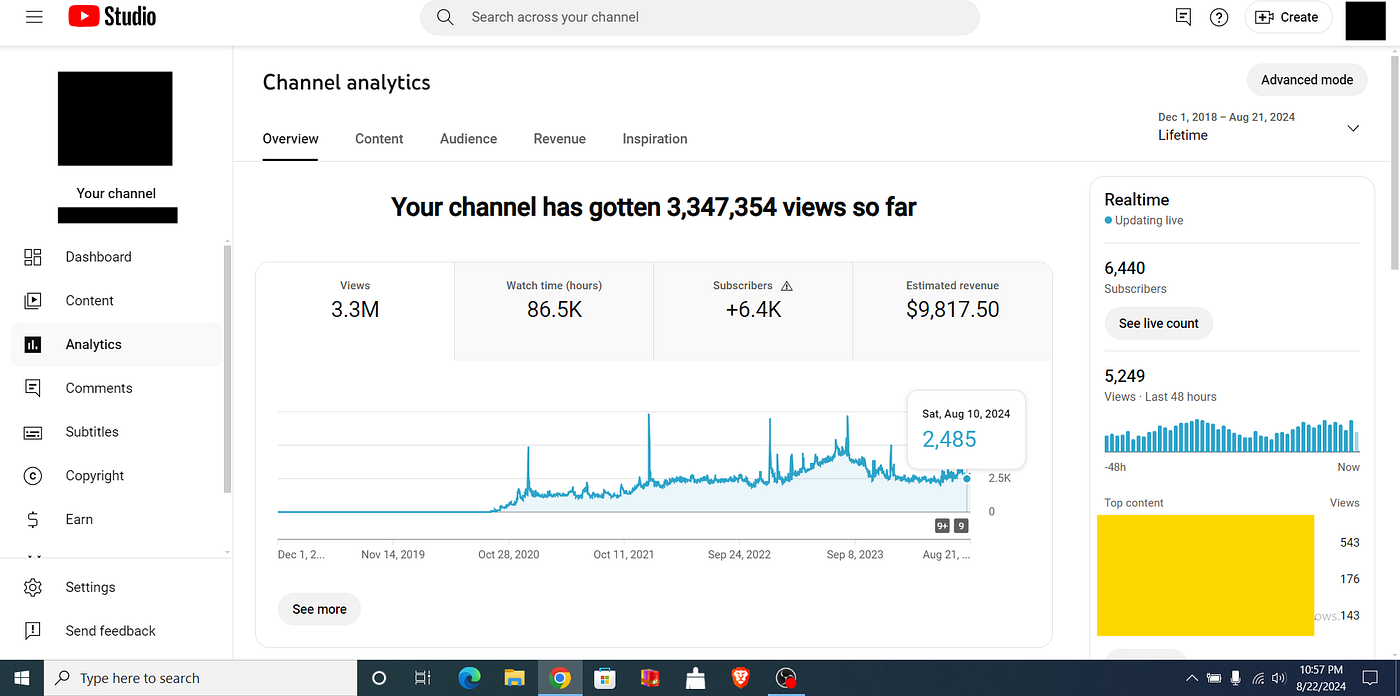
### 8. **Start a YouTube Channel**  

Video content is king, and YouTube offers endless earning potential. Whether it’s product reviews, tutorials, or vlogs, your content can generate revenue through ads, sponsorships, and memberships.  


**Optimization Tip:** Use high-ranking keywords like **"best gadgets 2024"** or **"make money online tips"** to boost visibility.  


---


### 9. **Sell Digital Products**  

From eBooks to stock photos and templates, selling digital products can provide a steady stream of passive income. Popular platforms include **Etsy**, **Gumroad**, and your own website.  


**Hot Products:** Social media templates, meal planners, and downloadable art prints.  


---


### 10. **Virtual Assistant Services**  

As businesses shift online, virtual assistants are in high demand. You can help clients with administrative tasks, social media management, and email handling. Websites like **Belay** and **Time Etc** are great places to start.  


**Key Skillsets:** Organization, attention to detail, and familiarity with tools like Google Workspace and Asana are crucial for success.  


---


### Conclusion: Take the First Step Today!  

Earning money online is more than a dream—it’s a reality for millions of people. Whether you choose to dive into freelancing, affiliate marketing, or another opportunity, the key is consistency and learning as you go.  


Start small, stay committed, and watch your online income grow!  


10 myths and facts about rabies

 10 myths and facts about rabies


In Nepal too, Rabies Day is being celebrated by organizing various programs with the basic slogan of 'Adoption of one health, zero death from rabies'. The World Health Organization's Global Strategic Plan aims to reduce human deaths from dog-bite rabies to zero by 2030. In this context, let's analyze the misconceptions and scientific facts about rabies in our society.


Myth-1: Rabies occurs when bitten by a dog or other animal that is aggressive and has fins in its mouth.


Fact: It's normal for dogs to bite when they feel unsafe and scared. This is a natural behavior of dogs. But dogs with rabies will bite any person for no reason. It is also not true that aggressiveness and foaming at the mouth is rabies. While most rabies-infected animals are aggressive, some animals may appear very passive at first. Symptoms such as fever and fatigue are early signs of rabies in animals or humans. An infected animal may have difficulty standing and may suffer from lameness and paralysis.


Myth-2: Rabies is transmitted only through bites.


Fact: Rabies can be transmitted not only by the bite of a dog or other animal with rabies, but also if the saliva of the suspected animal comes into contact with different membranes or wounds of the body.


Misconception-3: If a mouse or rabbit bites you at home, you get rabies.


Fact: Rabies is rarely transmitted to humans from rats and rabbits. Therefore, post-bite rabies vaccine is not required for domestic rabbit and rat bites. However, if bitten by a wild rabbit, mouse or rat species, it is advisable to vaccinate on the advice of an infectious disease specialist.


Myth-4: There is no cure for rabies.


Fact: Rabies is preventable. Vaccines are available for both humans and animals to prevent the spread of rabies. If you have been bitten by an animal suspected of having rabies, the wound should be immediately cleaned thoroughly with soap and water for 10-15 minutes and vaccinated within 24 hours of the bite. But after seeing the symptoms of the disease, it is not possible to treat the rabies disease.


Myth-5: I do not need a post-exposure human rabies vaccine if I am bitten by a vaccinated dog.


Fact: Although this is theoretically true, if the quality of the vaccine, the time of administration, the method and the physical condition of the dog are not suitable, even after vaccination, the dog may develop rabies. Therefore, even if the dog is vaccinated against rabies, it should be consulted by a doctor. A doctor will evaluate the bite wound to determine if a post-exposure vaccine is needed.


  Myth-6: Some people still think that 20 or more abdominal shots are required to treat rabies.


Fact: In today's treatment system, depending on the condition, three vaccinations are usually done on the arm on the day of the bite, on the third day and on the seventh day.


  Misconception-7: Vaccination against rabies in humans increases the risk of getting sick and also affects memory.


Fact: Older human vaccines had some side effects but the new human vaccine that is currently available does not have side effects.


  Myth-8: Pets and non-exposed dogs and cats do not need to be vaccinated against rabies.


Fact: Domesticated dogs can also be at risk of rabies from sneaking out of the house and from wild animals in the neighborhood. Bats or other small wild animals infected with rabies can enter your home and come into contact with your dog at any time. Since rabies is a fatal disease, it is advisable to vaccinate pets and non-exposed dogs and cats against rabies.


Myth-9: Vaccination against rabies in pregnant and lactating women has negative effects on children and should not be vaccinated.


Fact: All modern vaccines are inactivated, safe and effective, so pregnant and lactating women can get the rabies vaccine without harm to the baby.


Myth-10: Young puppies do not need to be vaccinated for bites.


Fact: Puppies born to dogs that have been vaccinated against rabies and have fully developed immunity to rabies have the ability to fight the disease for at least three months of age. Therefore, in general, a dog under three months of age does not need to be vaccinated, but since we do not know much about the mother of the dog we have adopted, it is wise to get vaccinated against rabies even if a young child is bitten by a dog.

Popular Posts